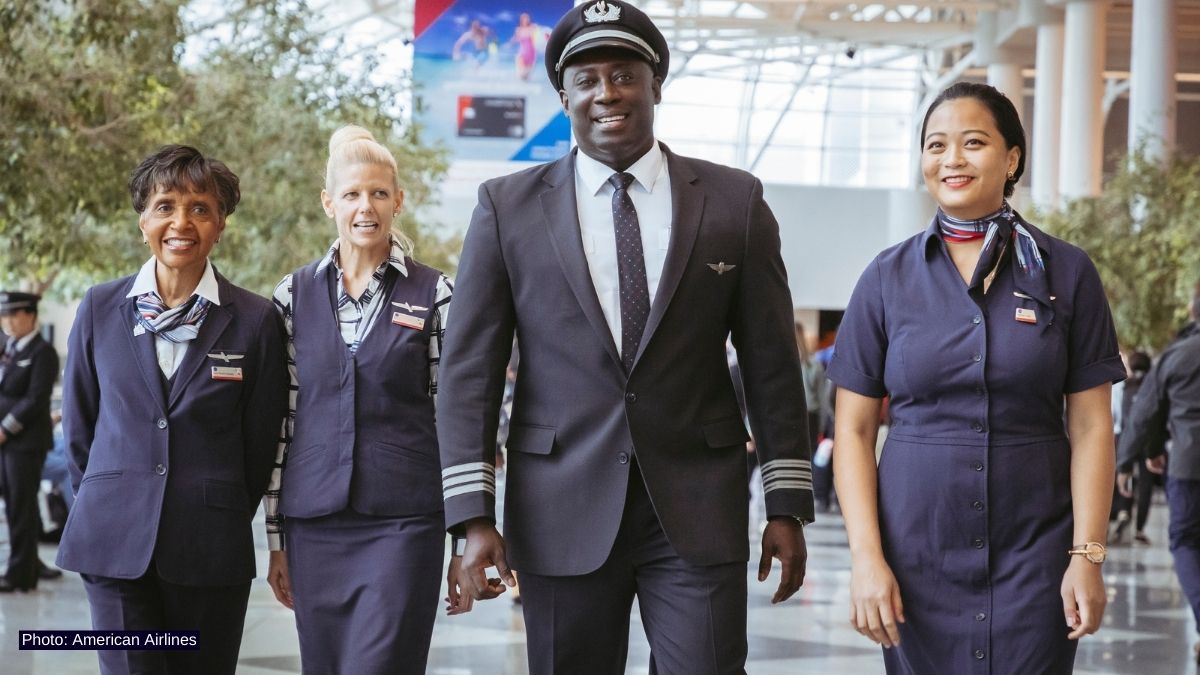
Tension inside American Airlines has moved into the open, as both pilots and flight attendants push back against top leadership. In the past few days, the two largest labor groups at the airline put their concerns on record, and they did it outside of contract talks.
The union for 28,000 flight attendants said on Monday that its board issued a unanimous vote of no confidence in the company’s chief executive, Robert Isom. Days earlier, the pilots’ union, which represents 16,000 pilots, asked to meet with the board of directors. The pilots’ group said American was “on an underperforming path and has failed to define an identity or a strategy to correct course.”
These moves stand out because neither union sits at the bargaining table right now. Labor and management often clash during contract talks. This time, the unions say the airline’s performance and daily operations drove their actions.
Profits, strategy, and premium travel
American has trailed Delta Air Lines and United Airlines in recent years, and the unions point to that gap as a core problem. Data from S&P Capital IQ shows Delta earned about 56 percent of the U.S. airline sector’s total profits in 2024 and 2025. United earned about 43 percent. American earned about 6 percent, even though it flew the most flights and carried the most passengers. Pilots and flight attendants at all three airlines also earn profit-sharing payouts tied to company results.
Analysts say Delta and United get an edge from more lucrative hubs and routes. Some also say American invested less in premium seats, even as more travelers pay extra for better seats and services. Premium cabins now drive a large share of airline profits, so slower investment can show up in the bottom line.
Julie Hedrick, president of the Association of Professional Flight Attendants, described the frustration in blunt terms. “From abysmal profits earned to operational failures that have frontline workers sleeping on floors, this airline must course-correct before it falls even further behind,” she said. The union said it had never formally declared a lack of confidence in a chief executive before now.
The Allied Pilots Association raised a similar theme. It said it had warned management about operational problems over the past year, and it argued that the airline fails basic stress tests. American “continues to struggle under predictable stressors, exposing systemic weaknesses in preparation, execution and decision making,” the union said.
Winter storms and a direct reply from Isom
A major weather breakdown added pressure in January, when a winter storm disrupted travel across the eastern United States. The storm hit American especially hard. The airline canceled more than 9,000 flights, which the company called its worst weather-related disruption on record. American said the weather affected five of its nine hubs, which made recovery harder than it was for some competitors.
In a response to the pilots’ union, Isom said on Saturday that he and the airline’s board discussed the message “at length,” and he said he would meet with union leaders. “I appreciate the opportunity to address the items outlined in your letter and the specifics you relayed to me personally regarding our handling of winter storms Fern and Gianna; American’s focus on pilot attendance policies; and our business plan to return American to its rightful place atop the industry,” he said.
American later pointed reporters to public comments Isom made in recent weeks. In a call last month about quarterly results, he said the airline plans to deliver steadier customer service, use its hubs and aircraft more effectively, strengthen its loyalty program, and raise revenue. “While this has been a multiyear effort, 2026 will be the year these efforts start to bear fruit,” he said. “We’re off to a fast start based on the booking trends we’ve observed in January, all-time records for the first three weeks of the year,” he added.
The company has also said it plans to spend more on lounges, premium seats, and other upgrades aimed at attracting and keeping higher-paying customers.
Attribution: New York Times
Post Comment