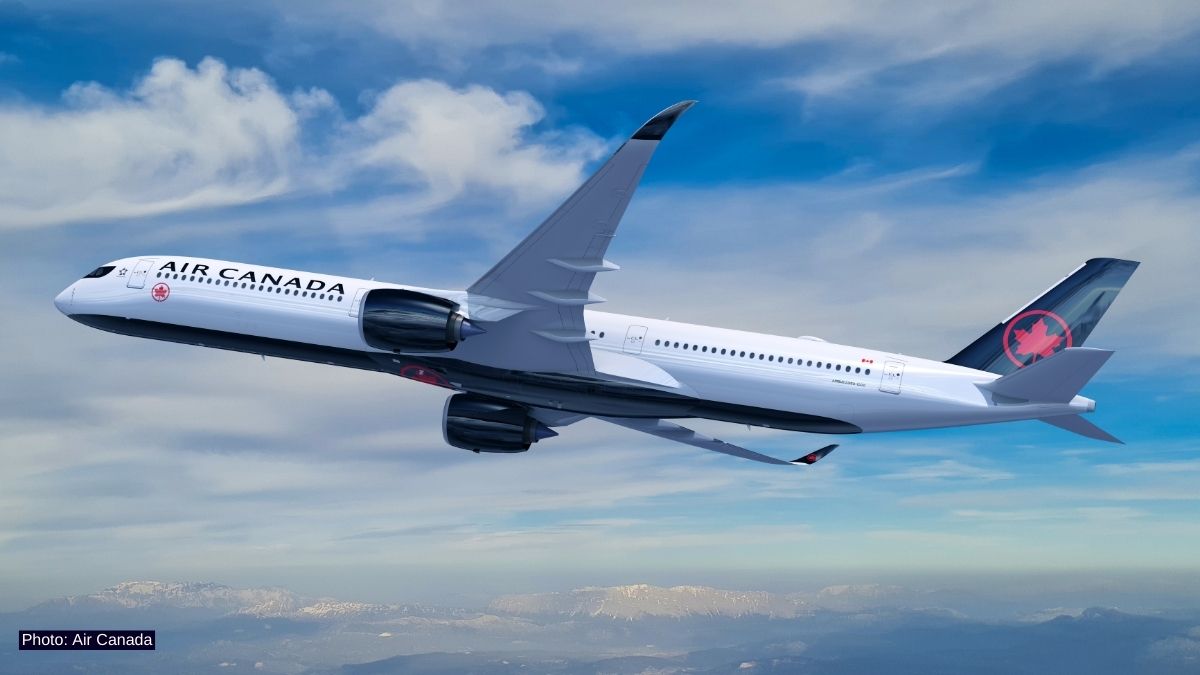
Air Canada will add the Airbus A350-1000 as the next part of its fleet modernization plan. The airline plans to bring in eight aircraft, and it also holds rights to buy eight more. Air Canada expects deliveries to start in the second half of 2030.
“Air Canada’s acquisition of the Airbus A350-1000 will further solidify our position as a leading global airline through the next decade. This state-of-the-art aircraft adds a new dimension to Air Canada’s long-haul capabilities, with impressive range, enhanced payload, and proven economics that unlock new possibilities for long-haul flying for our customers,” said Mark Galardo, Executive Vice President and Chief Commercial Officer, and President of Cargo at Air Canada. “These highly capable aircraft complement our existing fleet by providing flexibility in support of a growing, resilient, and diversified future network. The Airbus A350-1000 will play a central role in defining Air Canada’s next era, connecting our customers, our hubs, and our country to the world.”
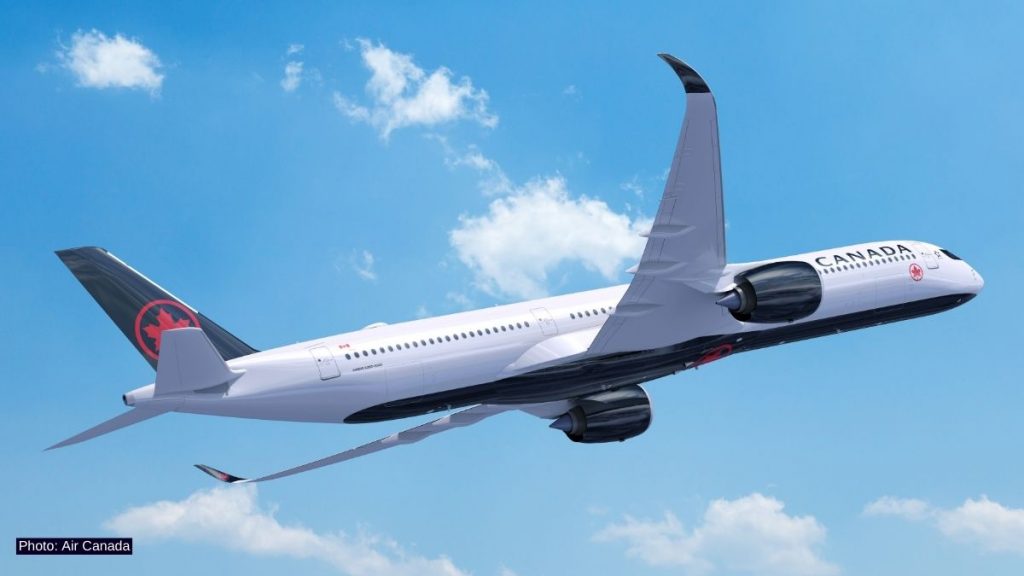
Why Air Canada chose the A350-1000
Air Canada linked the new aircraft to lower costs, better reliability, and better fuel use over the long run. “The addition of the Airbus A350-1000 to our fleet is a forward-looking investment that strengthens Air Canada’s long-term cost efficiency,” said John Di Bert, Executive Vice President & Chief Financial Officer, Air Canada. “These aircraft will deliver improved operating economics, enhance our operational reliability, and ensure we remain competitive across our global network. The aircraft’s lighter materials and advanced engines deliver meaningful fuel-burn improvements versus the aircraft they replace, supporting our financial and environmental objectives. This order is another step in the modernization of our fleet and is aligned with our capital allocation priorities and our target to maintain capital investments at or below 12 per cent of revenues.”
Rolls-Royce supplies the XWB-97 engine for the A350-1000, and Airbus uses lighter materials in the airframe. Airbus estimates the aircraft can reduce fuel consumption by up to 25 per cent compared to older aircraft types. Air Canada also points to a potential range of about 9,000 nautical miles, which gives the airline more room to plan long routes that also carry cargo well.
Airbus says customers will experience the quietest twin-aisle cabin available. Airbus designed the aircraft to pressurize to 6,000 feet to help reduce stress on the body and minimize jet lag. Air Canada says the A350 1000 will include the latest generation in-flight entertainment screens and connectivity, along with the airline’s new cabin standard that it will introduce later this year.
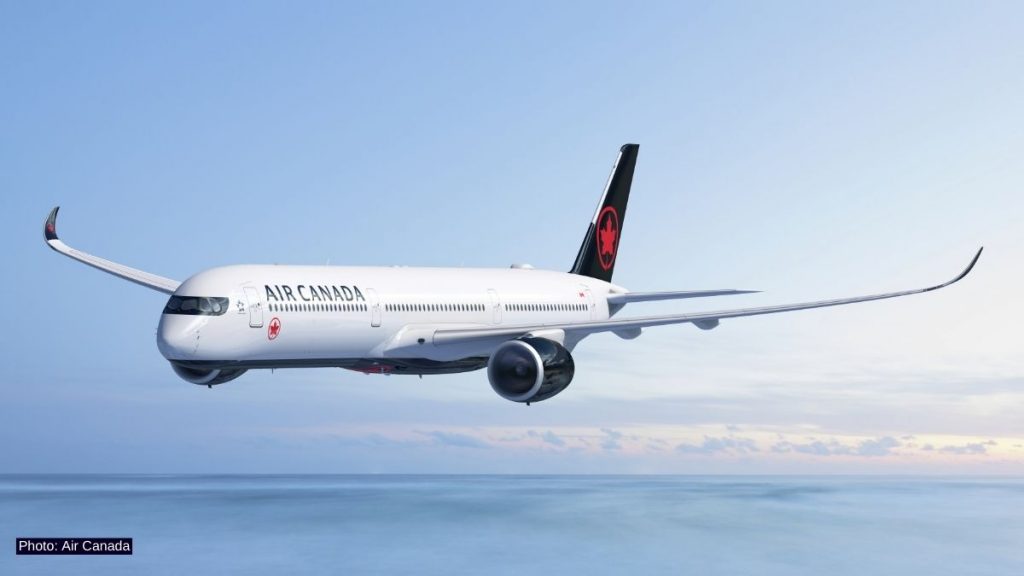
How the order fits the wider fleet plan
Air Canada has more deliveries lined up before the first A350-1000 arrives. The airline expects 14 Boeing 787-10 Dreamliners to start entering service later this year. Air Canada also expects the first of its 30 Airbus A321XLR aircraft in the coming months.
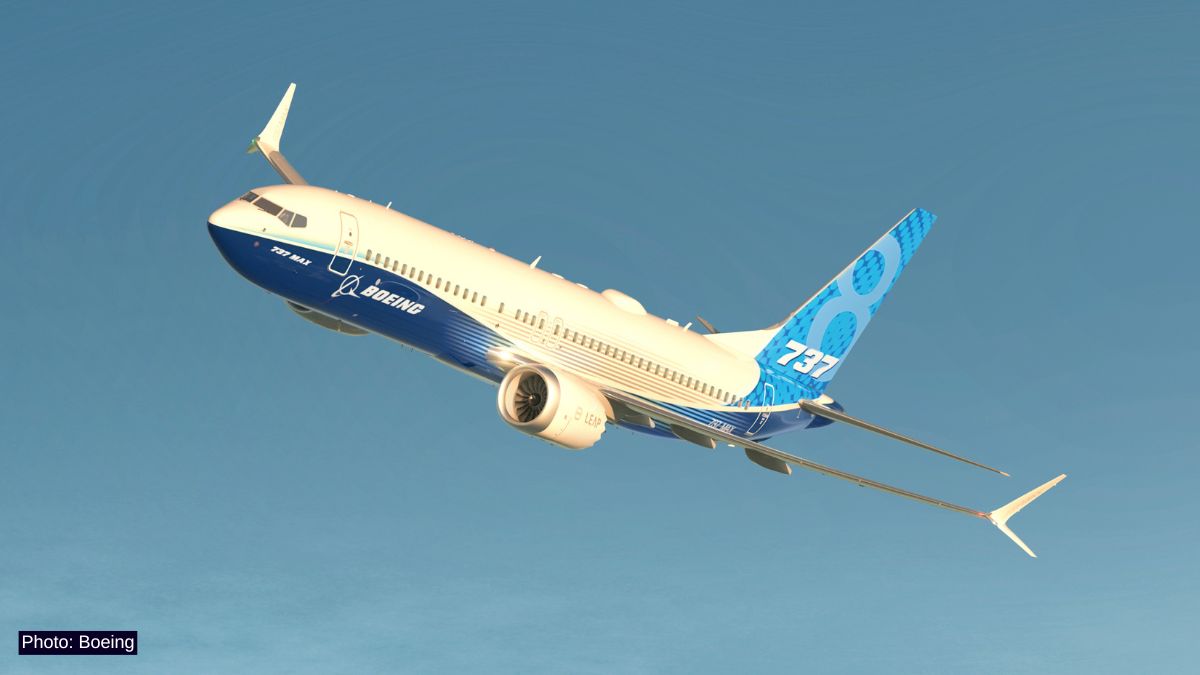
Air Canada continues to take deliveries of the Canadian-assembled Airbus A220, and it still has 23 aircraft remaining out of its firm order of 65. Air Canada also expects five leased Boeing 737 MAX aircraft to enter service in 2026.
Air Canada says these incoming aircraft will enter service with its next generation cabin design and standard, including enhanced connectivity and updated in-flight entertainment offerings.
Post Comment