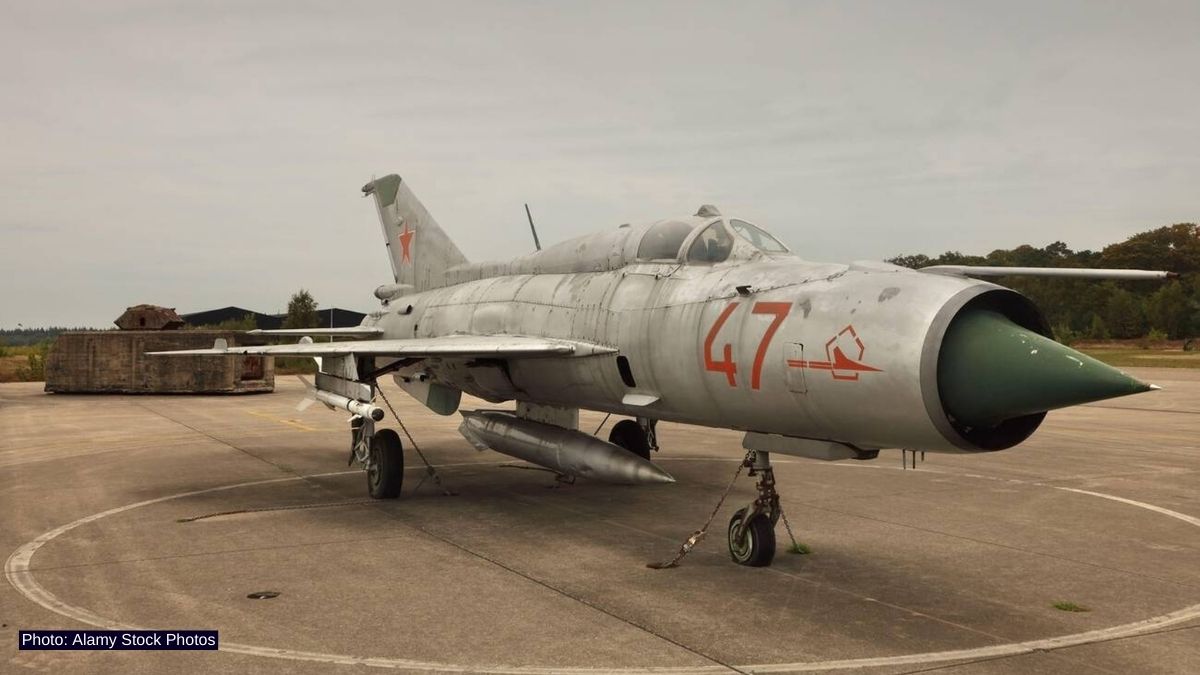
I am not really a fan of Soviet-built or Russian-built aircraft. Still, some of them become more interesting once you learn what they were built to do and why so many countries used them. Two Russian-built fighters are starting to interest me more: the MiG-29 Fulcrum and the MiG-21 Fishbed. Because of that, I am taking more interest in the Fishbed as a classic fighter.
One day, I researched the most produced fighter jet in the world, and I kept seeing the MiG-21 in the results. I learned about the MiG-21’s production records, and it made me read more. This aircraft is not only one of the most produced fighter jets. It is also known as the “most-produced supersonic aircraft in aviation history.”
The Mikoyan-Gurevich MiG-21 “Fishbed” sits at the center of Cold War air combat history. People sometimes call it the “highest selling” jet fighter, yet “most-produced supersonic aircraft in aviation history” is the more precise label, and records also describe it as the “most-produced combat aircraft since the Korean War.” Guinness World Records lists the MiG-21 as the most widely produced jet fighter, placing production at around 11,000 aircraft. Some sources also describe it as the “most-produced jet-powered military aircraft.”
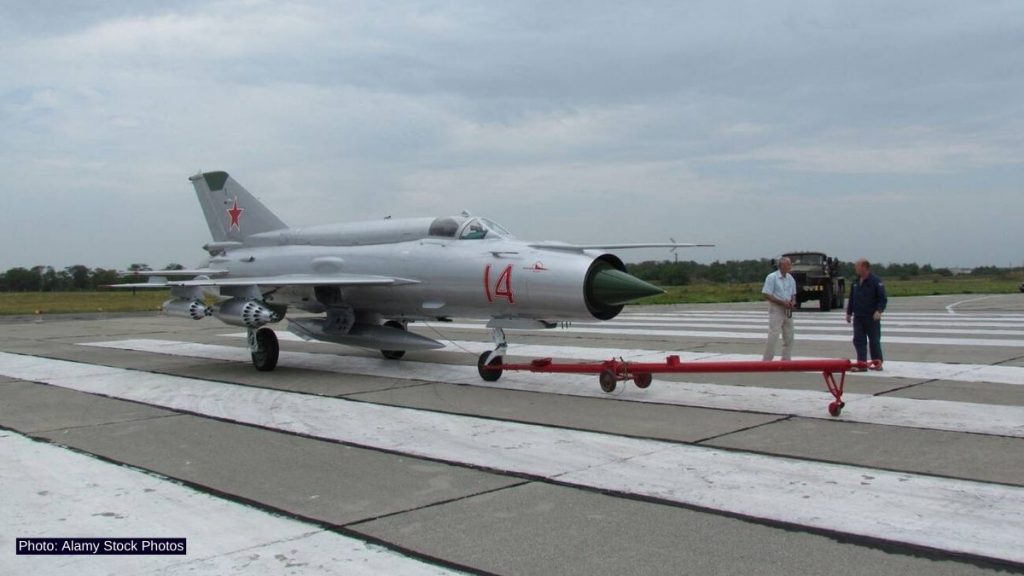
Production totals vary because the MiG-21 was built for decades and produced outside the Soviet Union. A widely cited figure for MiG-21 airframes built in the USSR, India, and Czechoslovakia is 11,496 aircraft. That breakdown is often given as 10,645 built in the USSR, plus 657 in India and 194 in Czechoslovakia under license. Around 60 countries across four continents operated the type, and it still serves in some air forces decades after its first flight.
Why it spread so widely
The MiG-21 met a practical set of needs for many air forces. Designers focused on a lightweight aircraft with a single engine, high speed, and a simple layout that could be produced quickly and supported with modest ground equipment. Simplicity mattered because it lowered cost, shortened training time, and reduced maintenance demands compared with more complex fighters.
Politics also pushed the numbers. The Soviet Union used military exports and aid to equip allies, standardize training, and keep parts and support flowing through the same support network. A large, replaceable fleet fit a doctrine that valued readiness and availability, not only advanced tech. For many countries, that combination made the MiG-21 easier to buy, easier to keep flying, and easier to replace.
The MiG-21 story
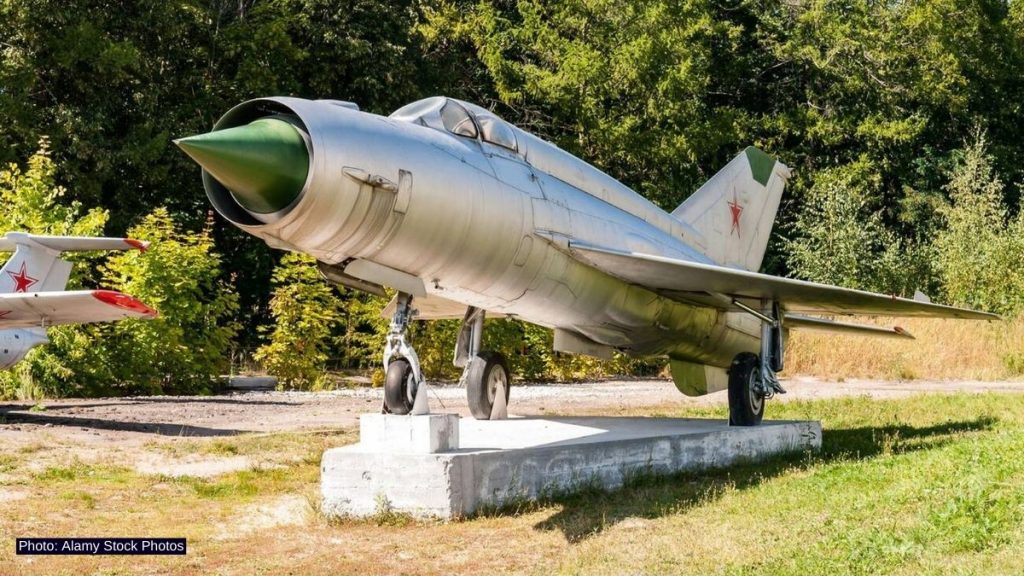
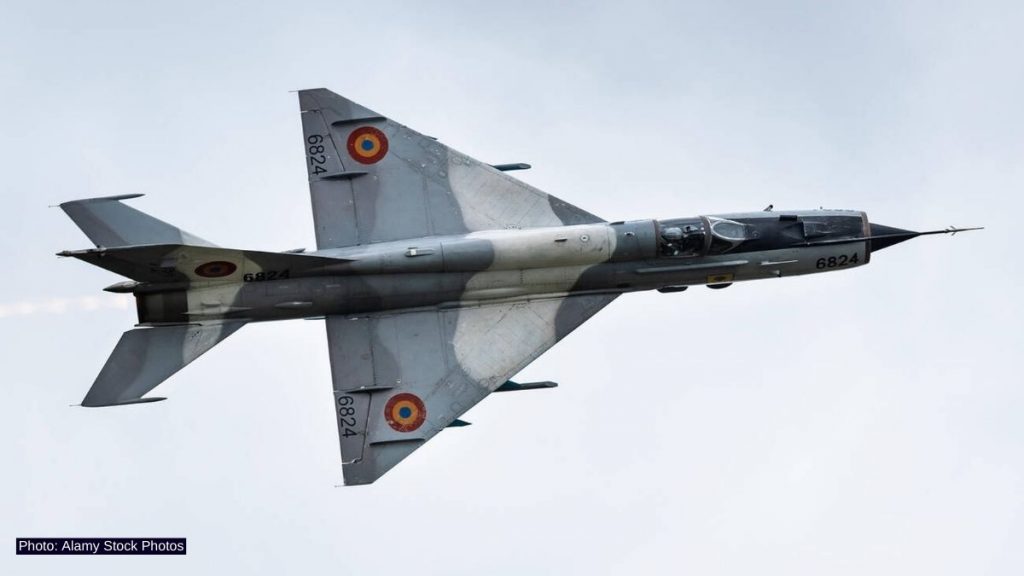
The MiG-21 followed a clear Soviet fighter line that ran from the MiG-15 and MiG-17 to the supersonic MiG-19. Early prototypes tested different wing plans, and the program settled on the delta wing that most people picture today. A delta wing is a triangular wing shape that can work well at high speed. The Ye-4 prototype, the first to use that delta wing, flew on June 16, 1955, and later appeared at a major Soviet air show at Tushino.
Series production began in 1959 at the Sokol plant in Gorky, and the first examples entered service by March 1960. Soviet production continued into the mid-1980s across many variants, which helped keep the aircraft common and widely supported across fleets.
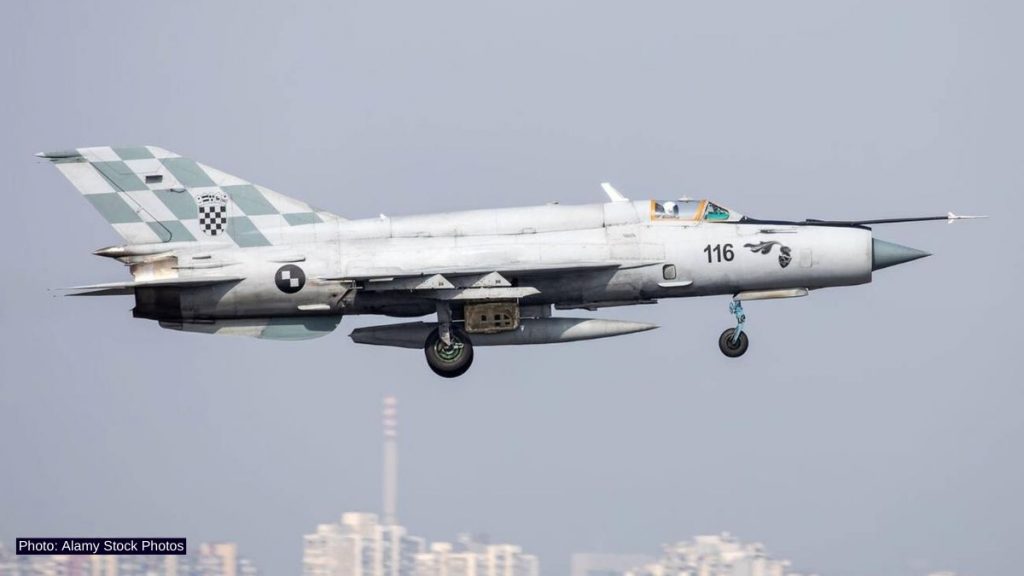
The delta wing mattered for the mission. It offered a strong, efficient shape at high speed, and it paired well with an interceptor role that demanded fast climbs and quick dashes. An interceptor is a fighter built to reach an intruder fast, then engage it. The airframe also evolved into a true fighter-interceptor blend, which made it more useful to smaller air forces that needed one aircraft to do more than one job.
Licensed builds and a long afterlife
Licensed production expanded the MiG-21’s presence and kept numbers climbing. India built the type locally through Hindustan Aeronautics Limited, and Czechoslovakia produced the MiG-21F-13 variant under license.
China added another part of the story through the Chengdu J-7 and export F-7 family, derived from MiG-21 technology. Reuters notes that China produced the J-7/F-7 series from 1965 until 2013, and estimates often place the total at more than 2,400 aircraft. That derivative run helps explain why some broader “Fishbed” family counts push toward the high-13,000 range when people include Chinese production.
The MiG-21 story is not only about speed or dogfights. The record came from a design that many countries could buy, maintain, and field in large numbers, plus a Cold War system that moved aircraft across borders quickly. That mix gave the “Fishbed” a global presence that no other supersonic fighter has matched.
Post Comment