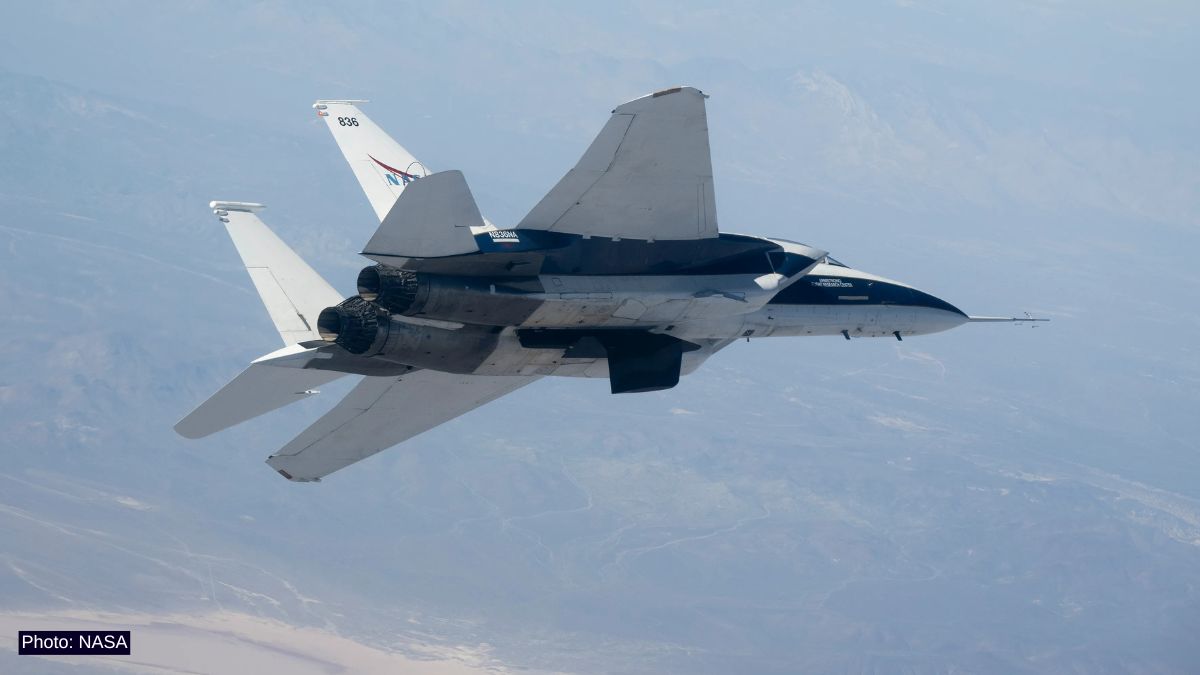
NASA has completed the first flight test of its CATNLF wing model, a small test wing made to help keep air flowing smoothly over swept wings. NASA wants better laminar flow because it can reduce drag, which can lower fuel burn and operating costs on future commercial aircraft.
The test flight happened Jan. 29 at NASA’s Armstrong Flight Research Center in Edwards, California. NASA used one of its F-15B research jets and mounted a 40-inch Crossflow Attenuated Natural Laminar Flow (CATNLF) wing model under the aircraft. The model sat vertically, like a fin, so the team could study how air moved across it during flight.
“It was incredible to see CATNLF fly after all of the hard work the team has put into preparing,” said Michelle Banchy, research principal investigator for CATNLF. “Finally seeing that F-15 take off and get CATNLF into the air made all that hard work worth it.”
How the CATNLF wing test worked
This first flight lasted about 75 minutes. The main goal was safety and basic handling with the extra wing model attached. NASA needed to confirm the aircraft could fly and maneuver normally before moving into deeper research work.
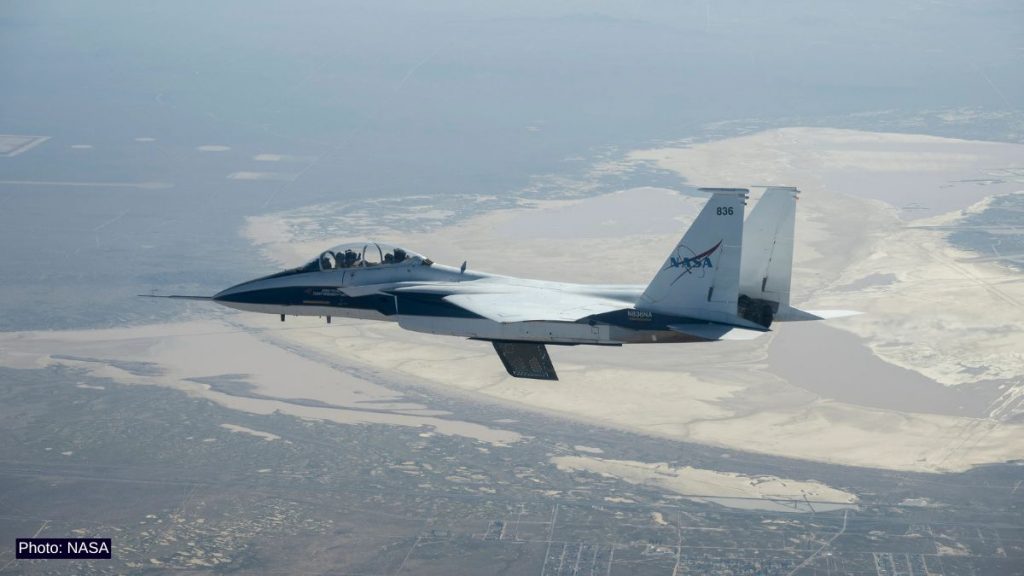
“First flight was primarily focused on envelope expansion,” Banchy said. “We needed to ensure safe dynamic behavior of the wing model during flight before we can proceed to research maneuvers.”
The team ran a set of controlled moves during the flight, including turns, steady holds, and gentle pitch changes. These maneuvers took place at altitudes from about 20,000 to nearly 34,000 feet. NASA says the results gave the team an early look at the wing model’s aerodynamic behavior and confirmed it performed as expected in the air.
NASA built CATNLF to tackle a common issue on swept-back wings. Smooth airflow can break up more easily on these shapes, which increases drag. The CATNLF design aims to reduce the disruptions that turn smooth flow into turbulent flow. Maintaining laminar flow for longer can help lower fuel burn and costs.
NASA also used tools to measure how well the wing model kept smooth airflow. An infrared camera mounted on the aircraft and aimed at the wing collected thermal data during the flight. The team will use that data to check the design details and measure how effectively the model maintains laminar flow.
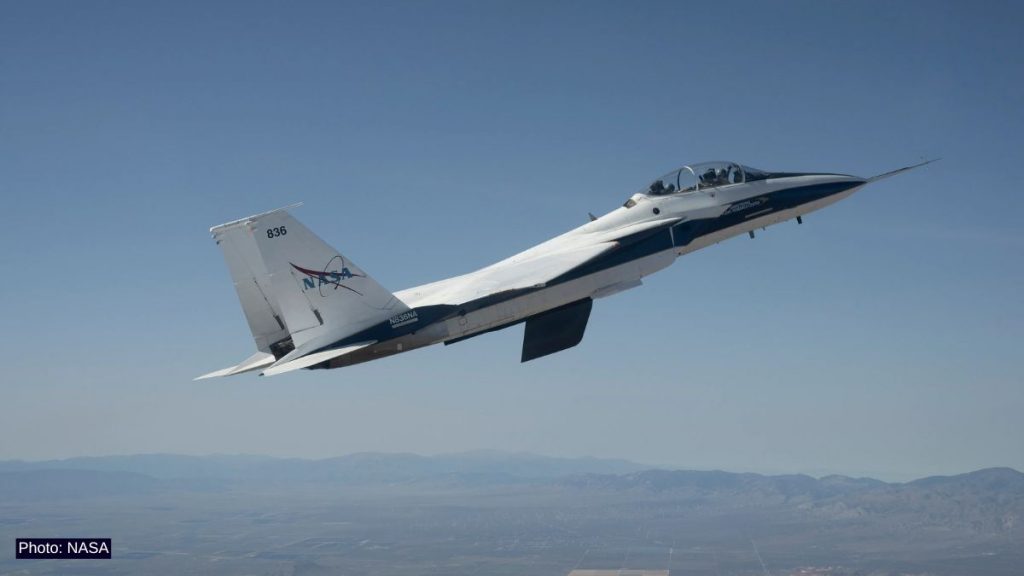
“CATNLF technology opens the door to a practical approach to getting laminar flow on large, swept components, such as a wing or tail, which offer the greatest fuel burn reduction potential,” Banchy said.
What NASA will test next
NASA says this was the first of up to 15 planned CATNLF flights. Later flights will test the wing model across different speeds, altitudes, and flight conditions. The goal is to build a clear picture of how the design behaves in real air, not only in computer predictions and wind tunnels.
Early results already look promising, according to Banchy. She said airflow over the aircraft closely matched what NASA predicted using computer models.
This first flight also builds on earlier work that included computer modeling, wind tunnel testing, ground tests, and high-speed taxi tests. NASA plans to continue flying the CATNLF series to gather research data that can help validate the design for future aircraft concepts. The work sits under NASA’s Flight Demonstrations and Capabilities project and Subsonic Vehicle Technologies and Tools project, with support from NASA’s Advanced Air Vehicles Program and Integrated Aviation Systems Program under the Aeronautics Research Mission Directorate.

Post Comment