
Many people dream of becoming flight attendant, and recruitment days can draw thousands of hopeful applicants. Aspirants come for different reasons. Some like the job’s popularity. Some want to travel and see new places. Some aim for the salary and benefits. Some truly feel drawn to the work and the lifestyle.
People often ask what it really takes to become a flight attendant. People ask, what do aspiring flight attendants go through? What qualities do they need? What skills do they need to build? People also ask if the job fits only a select few. People ask what matters beyond basic requirements like height, age, and waistline. This post gives a clear look at what it takes and what one must go through to become a cabin crew member.
This post does not aim to scare anyone. I wrote it to help aspirants prepare for what lies ahead and to set real expectations early. I also want to correct a common myth. Some people call flight attendants “glorified servers of the air.” That idea misses the real purpose of the role. I see many cabin crew members as the “unsung heroes of the skies.”

Cabin crew deal with many kinds of passengers on every flight. Some passengers cooperate and follow instructions. Some passengers argue, ignore rules, or push back. Cabin crew must manage different attitudes, especially about safety. They need patience, self-control, and the ability to manage emotions under pressure. Every passenger carries a different story, and cabin crew need to keep that in mind, even during tough moments.
Strict discipline also shapes the job. Cabin crew follow rules that affect daily life, not only work hours. Airlines expect them to avoid alcohol 12 hours before a flight. Airlines expect them to stay home or stay within reach when they go on reserve. Airlines expect early reporting times, careful grooming, and proper uniform standards. Airlines expect them to adjust to different schedules, maintain fitness, and keep a specific waistline standard. Airlines check performance and expect cabin crew to follow procedures at all times. One small error can end a cabin crew member’s career.
Safety remains the main role. Cabin crew protect everyone on board, especially during emergencies. They must think fast and act with purpose because lives can depend on their choices. They also guide passengers who may feel afraid, confused, or upset. Cabin crew must speak clearly so passengers can follow steps that keep everyone safe.

Cabin crew also need real care for passenger safety and comfort. They watch for small issues that can turn into bigger problems. They check on people who feel unwell. They help older passengers, families with young children, and anyone who needs support. Emergencies can force cabin crew to put passenger needs ahead of their own needs.
Adaptability matters because cabin crew do not follow a fixed schedule. Duty times can change sleep, meals, and family plans. Cabin crew often miss weekend outings and special events. They adjust to early mornings, late nights, and long duty days. They also handle last-minute changes, especially during reserve duty.
Training prepares cabin crew for these demands, and training can feel intense. Initial training packs a lot of information into a short time, and it includes many tests. Training covers safety procedures, emergency drills, and service standards. Recurrent training continues after that and keeps skills sharp, especially for safety steps. Cabin crew must stay current, pass checks, and follow updates.
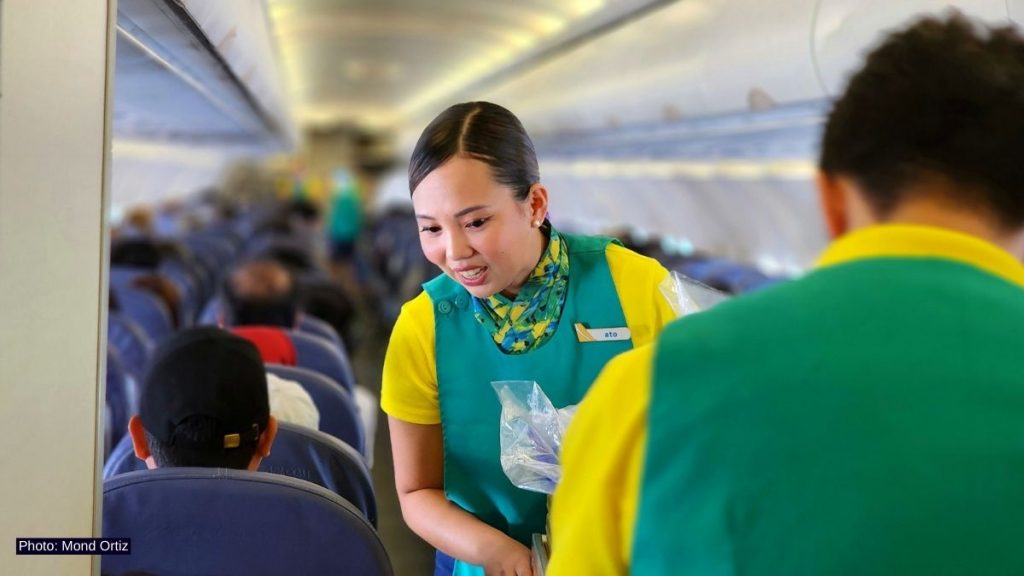
Physical fitness matters as well. Cabin crew work on their feet for long periods. They move through tight aisles and handle equipment. Emergencies can demand strength and stamina, so fitness supports both daily work and emergency response.
Flight attendants also enforce safety rules and airline policies. They do this with respect and firm authority. They must hold the line when someone refuses to follow a rule, even when a passenger feels upset. These rules protect everyone on board.
Aspiring to become a flight attendant takes hard work and dedication. The path can feel demanding, yet many people find it rewarding. The job can build confidence, communication skills, and discipline. It can also support personal and professional growth.


Post Comment