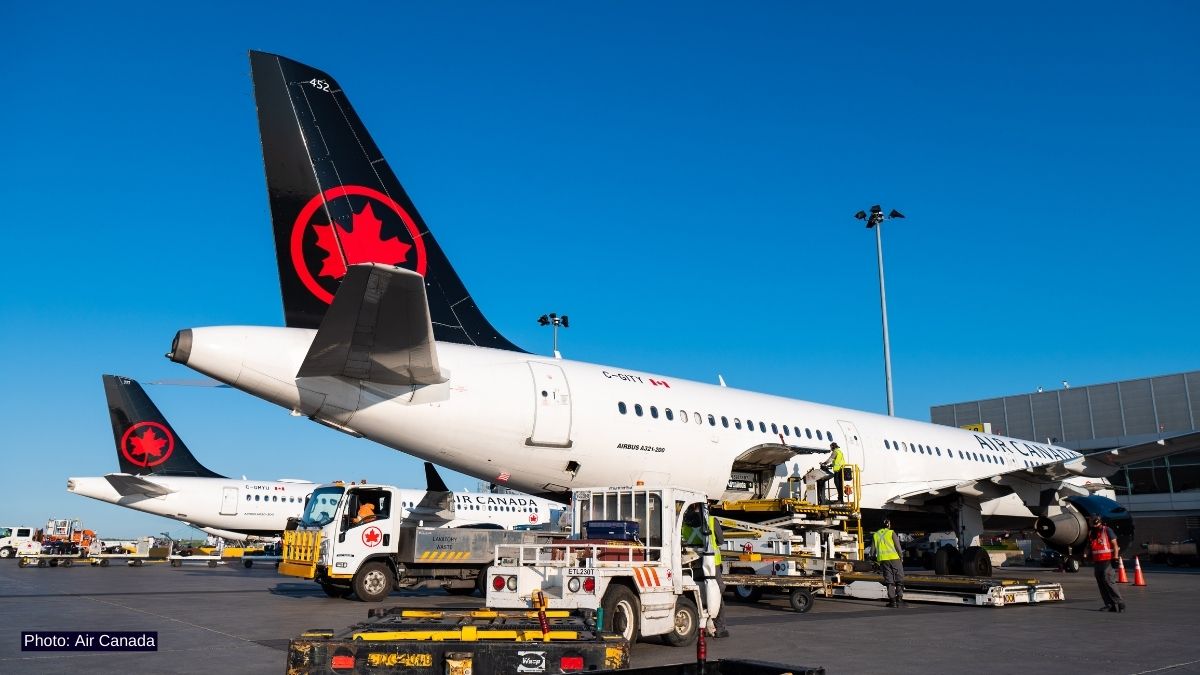
Air Canada flight attendants are now moving on from the labor dispute that led to the August 2025 strike of more than 10,000 crew members, but the ending did not match what the union pushed for. An arbitrator has decided to keep the pay increases from the tentative deal that ended the strike, even though union members later rejected those raises by an overwhelming margin.
The pay vote became the only open issue. Other contract terms were already treated as final when the tentative agreement was signed in August, so salary went to arbitration after the rejection. The result locks in wage increases that many flight attendants said still fall short, especially when compared with what crews earn at Air Transat.
Pay increases stay in place despite union rejection
The arbitrator maintained the first-year raises from the tentative agreement. Junior flight attendants will receive a 12% salary increase in year one, and more senior flight attendants will receive an 8% increase. For Air Canada Rouge flight attendants, the ruling sets the first-year increase at 13% instead of the 12% that was in the tentative deal.
The second year brings a 3% increase for both mainline and Rouge. Year three follows with 2.5%, and year four ends with 2.75%. The contract runs for four years and applies retroactively from April 1, 2025.
After the vote in September, CUPE, the union representing Air Canada flight attendants, argued the tentative wage plan still left crews in an unacceptable position. “Air Canada flight attendants would still earn less than federal minimum wage, which is $17.75 per hour or $2,840 per month on a 40-hour workweek.
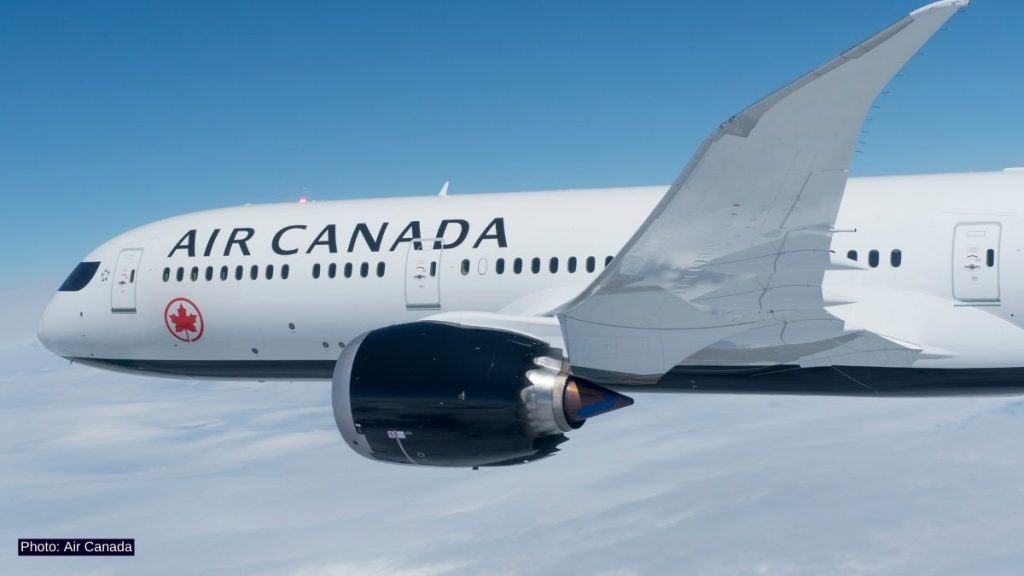
Continuing: “By contrast, a full-time Rouge flight attendant would earn just $2,219 per month, and a full-time mainline flight attendant would earn only $2,522 per month. Full-time workers at a flagship corporation and the national air carrier should not be earning less than minimum wage and qualifying for income supports.”
Ground pay becomes a key change in the new deal
One of the biggest structural changes in the contract is the addition of ground pay, which addresses the time flight attendants spend working outside of flight time. Under the new rules, Air Canada flight attendants receive 50% of their hourly pay for 60 minutes on the ground for narrowbody flights and 70 minutes for widebody flights. Ground pay rises to 60% in year two, 65% in year three, and 70% in year four.
The contract also includes improvements to vacation days and sick days. Pay remained the central fight, though, and the arbitration decision means the rejected wage plan still becomes the final wage plan.
Air Canada also reported strong top-line results in its full-year 2025 financials, posting operating revenue of $22.4 billion and operating income of $918 million, numbers that continue to shape how the union and the airline frame what “fair pay” should look like.
Attribution: Airways Magazine

Post Comment