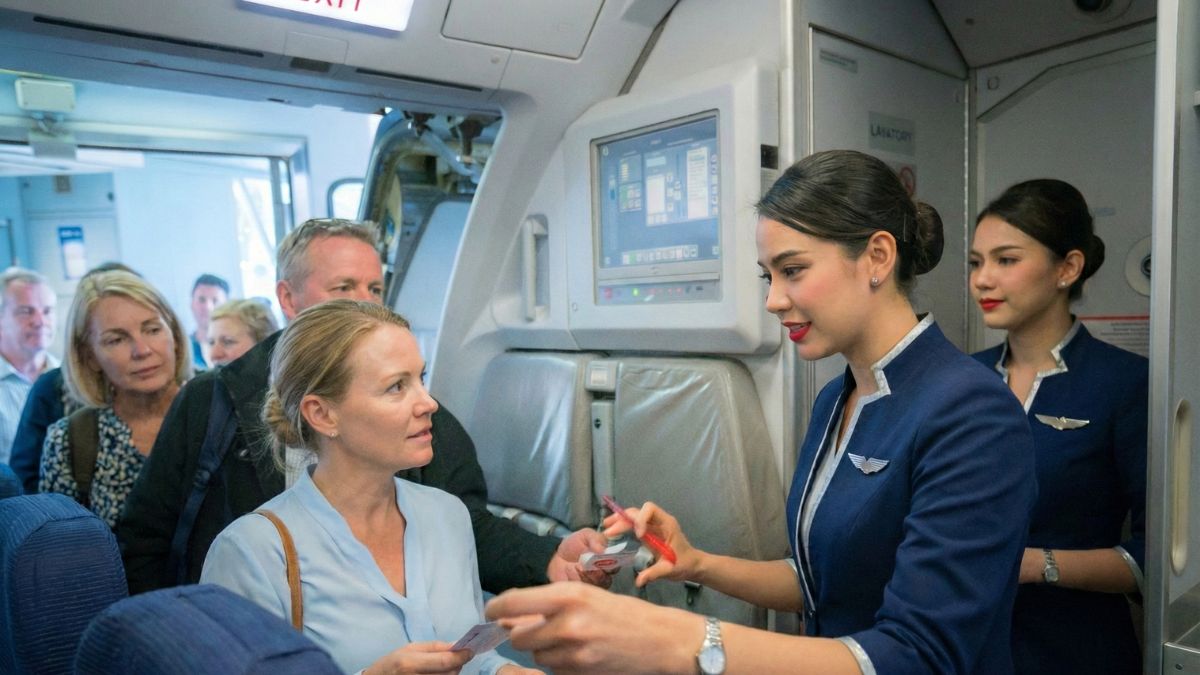
I have been reading many stories about unruly passengers who get offloaded from an aircraft. After the pandemic, I noticed a sudden rise in these cases. The FAA even created the “Zero-Tolerance Policy” to reduce this behavior. I want to share this as advice, because getting into trouble with authorities over unruly behavior can be a real hassle. Fights can also start because of poor passenger etiquette. That is why it helps to be informed about airline passenger etiquette for a better inflight experience. It also makes you more aware of airline rules and regulations, and why people need to obey them.
A commercial flight is shared space. Other people paid to be there too. Small habits during boarding, the flight, and deplaning can decide if the cabin stays calm. Etiquette also supports safety, since crew members can do their job faster when passengers help keep the cabin orderly.
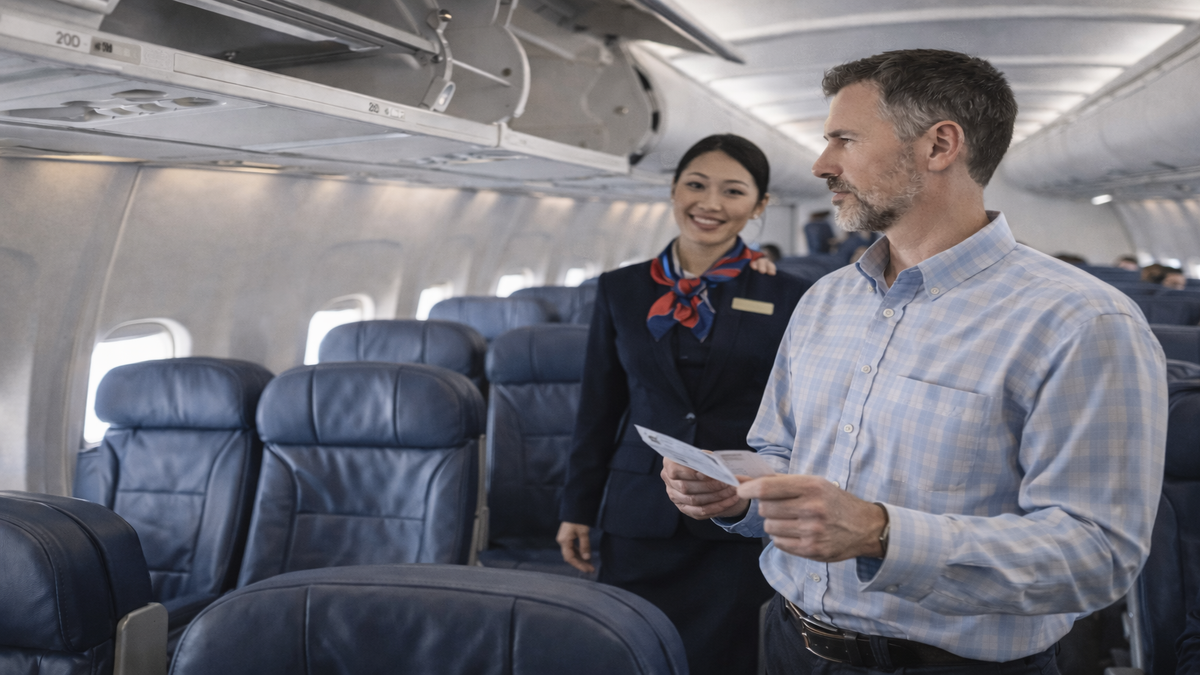
Start with what you bring onboard. Bring only what you can manage. Follow carry-on size and weight limits, and pack in a way that lets you lift your own bag into the overhead bin. Walk down the aisle with your bag held low and close to your body. A bag held at shoulder height can hit seated passengers when the aisle is tight.
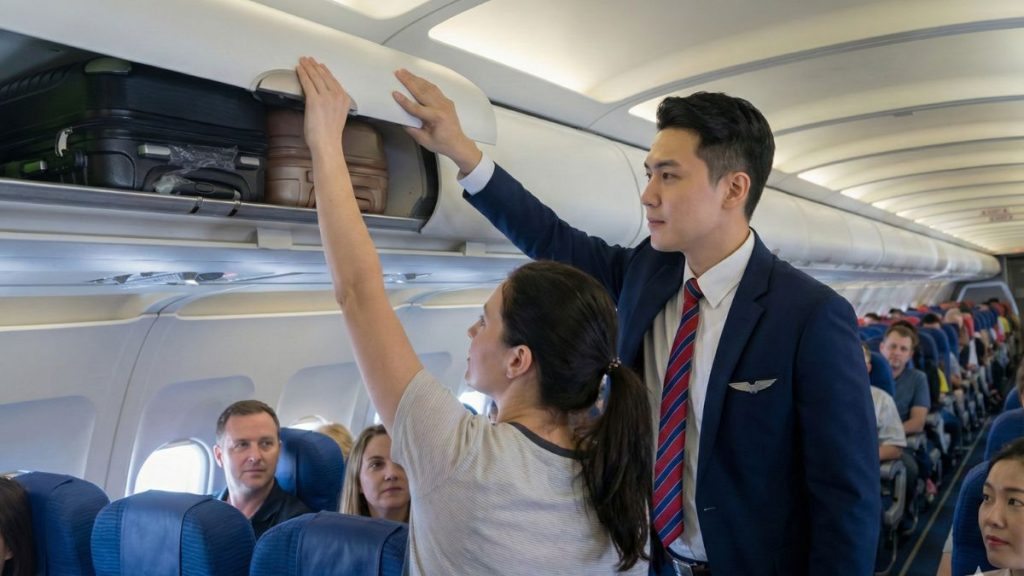
Use the overhead bin near your own seat whenever possible. Putting your bag several rows away just to exit faster pushes the problem onto someone else and slows boarding and deplaning. Stow your bag quickly, then step into your row so the aisle keeps moving. Keep what you will use during the flight under the seat in front of you or in your personal item, so you are not opening bins again and again.
Sit down, buckle up, and avoid turning your row into an obstacle. Keep your seat upright until boarding finishes and the crew says the cabin is ready. Reclining can be fine, yet timing and pace matter. Recline slowly to avoid slamming knees, bumping a laptop, or spilling a drink. Put your seat back upright for meals when the crew asks, and return it upright for landing.
Takeoff and landing are the most critical phases of a flight. Seats need to be upright, tray tables stowed, and loose items secured. Handbags need to be placed under the seat in front of you, and carry-on luggage needs to stay in the overhead bins. These steps help keep the cabin clear and reduce risk if the aircraft stops suddenly or if the crew needs to act fast.
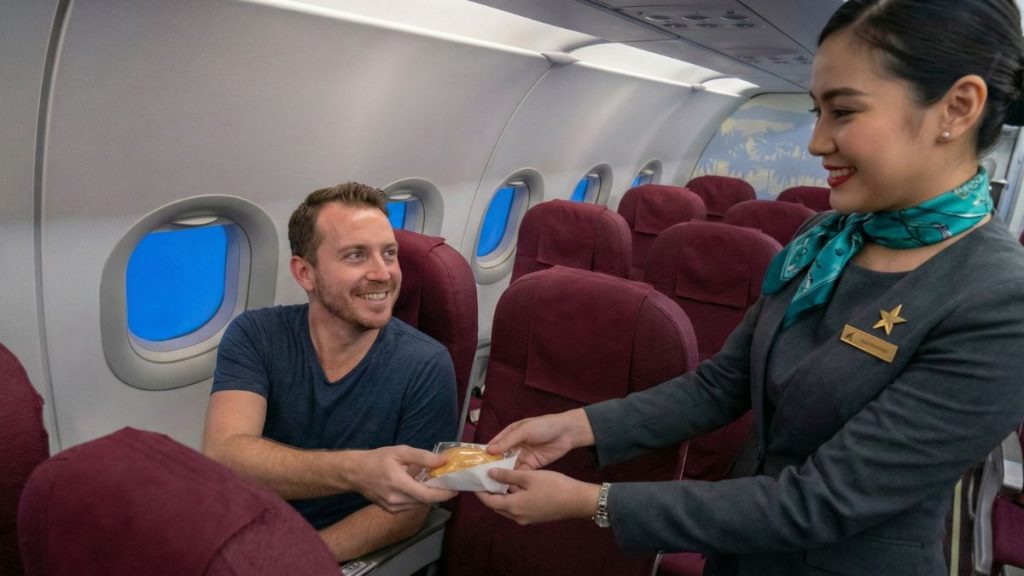
Passenger etiquette when reclining your seats to a full recline
Look behind you before you recline. A tall passenger, a passenger holding a child, or a passenger eating will feel the change more. A short flight often does not need a full recline. A simple, polite “Is it okay if I recline a bit?” can prevent many arguments. Airline rulebooks may not require you to ask, yet this small courtesy can keep the person behind you calm and comfortable.
Keep your space inside your seat area. Watch elbows, knees, and bags that spill into the next seat. Share armrests with awareness, especially when someone sits in the middle seat with limited room. Use headphones for any audio. Loud videos, games, and music can ruin the cabin for people trying to rest or work. Keep your screen content appropriate, since people behind you can see it.
Parents also need to guide their children. Children often kick or grab the seat in front without realizing it. Correct it early and bring quiet activities and snacks. Walk only when the seatbelt sign allows it. Change diapers in the lavatory, not on the seat.
Avoid getting drunk before a flight. Many drunk passengers have been offloaded due to unruly behavior that can escalate into arguing or even assaulting the airline crew and other passengers. Drink with restraint before the flight and onboard. Airlines can refuse service, deny boarding, or ask authorities to meet the aircraft when a passenger becomes disruptive.
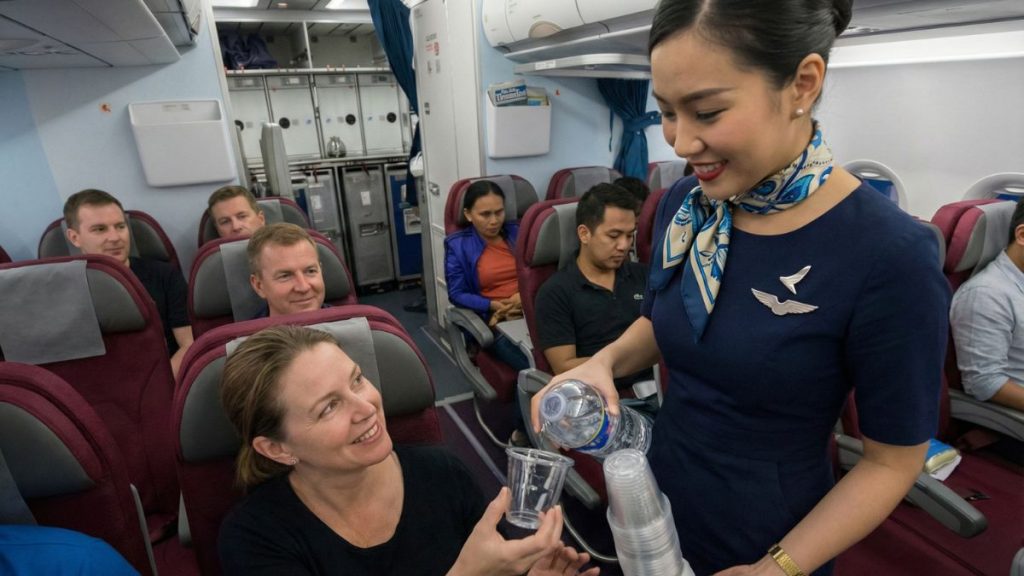
When moving around the cabin, watch out for other passengers too. Stand up only when needed and avoid repeated trips to the overhead bins. Ask politely when you need to pass. Use the hidden railings near the overhead bins for balance, not the seatbacks or headrests of other passengers’ seats. Pulling a seatback jolts the person sitting there. If there are no railings, say “excuse me” to the seated passenger and pass with care while respecting their space.
Observe proper deplaning flow. Rows exit in order for a reason. Step into the aisle when your row is moving, keep your pace steady, and avoid pushing forward. Tight connections are real, so planning ahead helps. Choosing a seat closer to the front can reduce stress. If not, deplane in an orderly manner.
Last, treat security issues seriously. Jokes about bombs or threats are not jokes inside an airport or an aircraft. These comments can trigger a security response, delay the flight, and involve law enforcement. You may face criminal charges, high penalties, and even get banned from flying for a simple bomb joke. Avoid trying to use “for content purposes only” to justify your actions because authorities will not accept that. A bomb joke is a bomb joke, and warning signs already tell passengers not to do it.
Most inflight problems start small. Good airline passenger etiquette keeps them from growing and helps everyone arrive in a better mood, with fewer conflicts and less trouble.
Post Comment