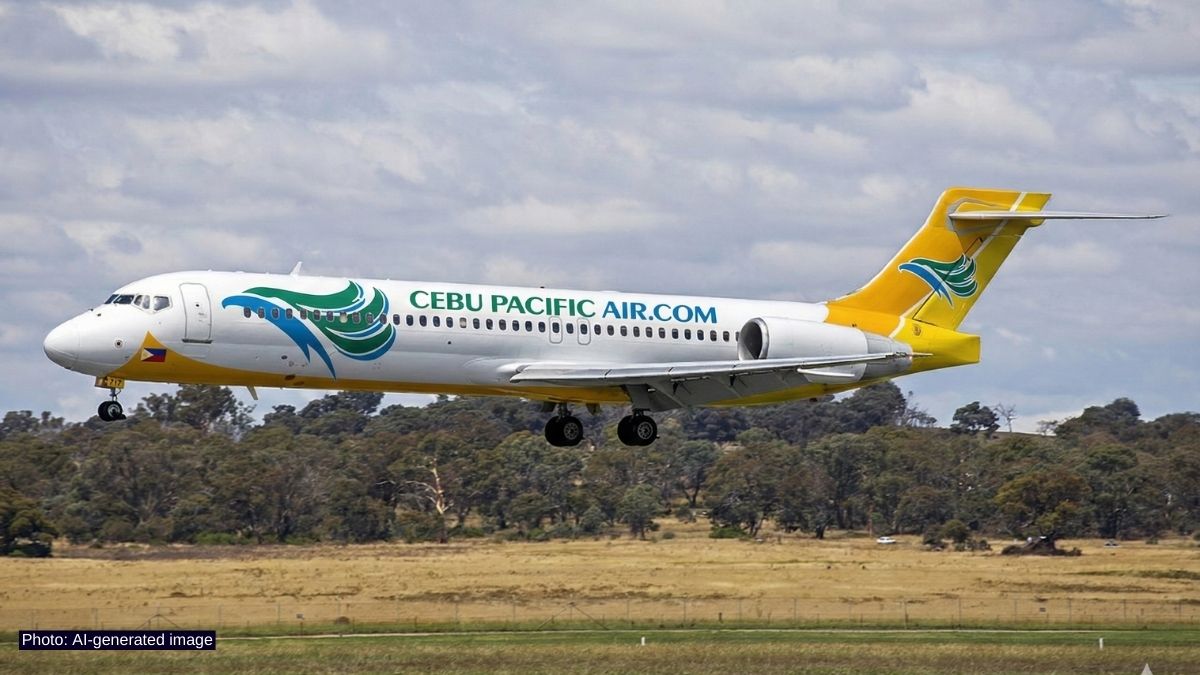
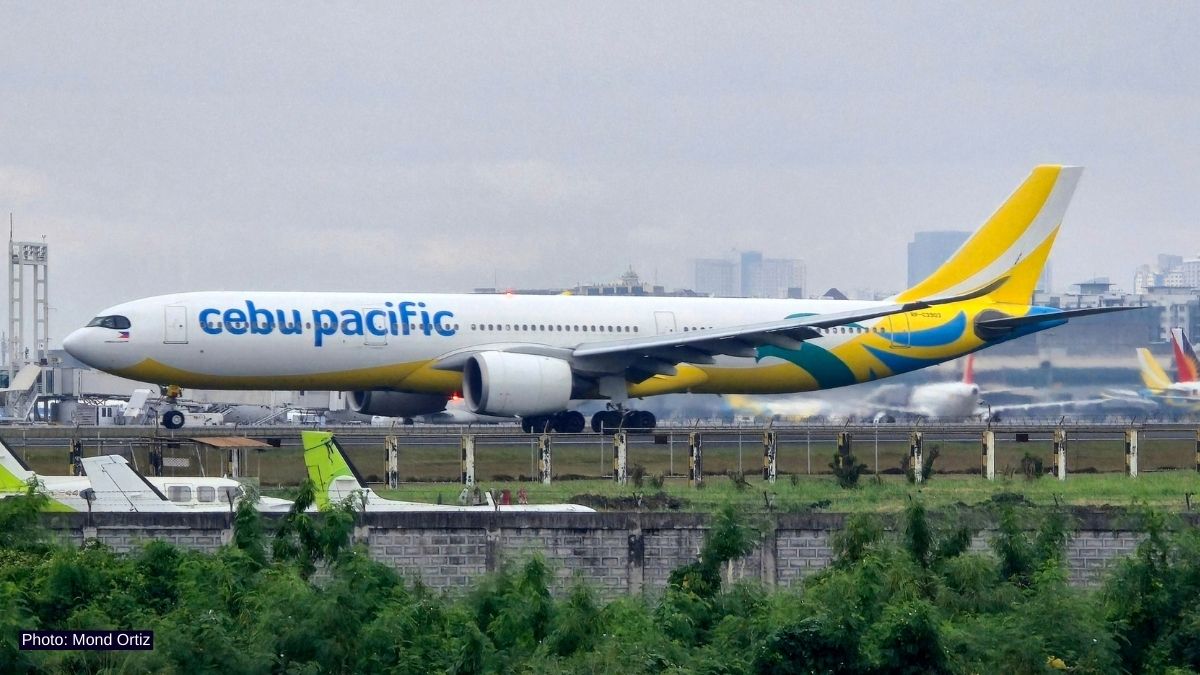
Cebu Pacific will celebrate 30 years of service on March 8, 2026. To commemorate this milestone, I would like to share a little story about a major decision that has shaped the airline since its inaugural flight in 1996. One of the most significant choices occurred in 2000 when Cebu Pacific needed to replace its aging McDonnell Douglas DC-9-30 aircraft. The closest modern counterpart to the DC-9 family was the Boeing 717.
The 717 started life as the MD-95. McDonnell Douglas launched it, then Boeing renamed it the 717 after the merger and pushed the program forward. The design stayed close to its DC-9 roots. Two turbofan engines sat at the rear fuselage, and the aircraft kept the T-tail layout that comes with that engine placement. That familiar design made it look like a direct continuation of a jet family Cebu Pacific already knew.
So, Cebu Pacific’s intent to get a DC-9 replacement was real. FlightGlobal reported in May 2000 that the airline had 12 DC-9-30s and was in final negotiations for a firm order of 10 717s, with four options. The same report tied the plan to Cebu Pacific’s regional flying plans, including routes such as Singapore and Jakarta. Aviation Week also described the 717 purchase as confirmed at the time, with early deliveries expected in 2001. At that moment, the plan looked like a clean move from older jets to a newer model without a major shift in how the airline operated.
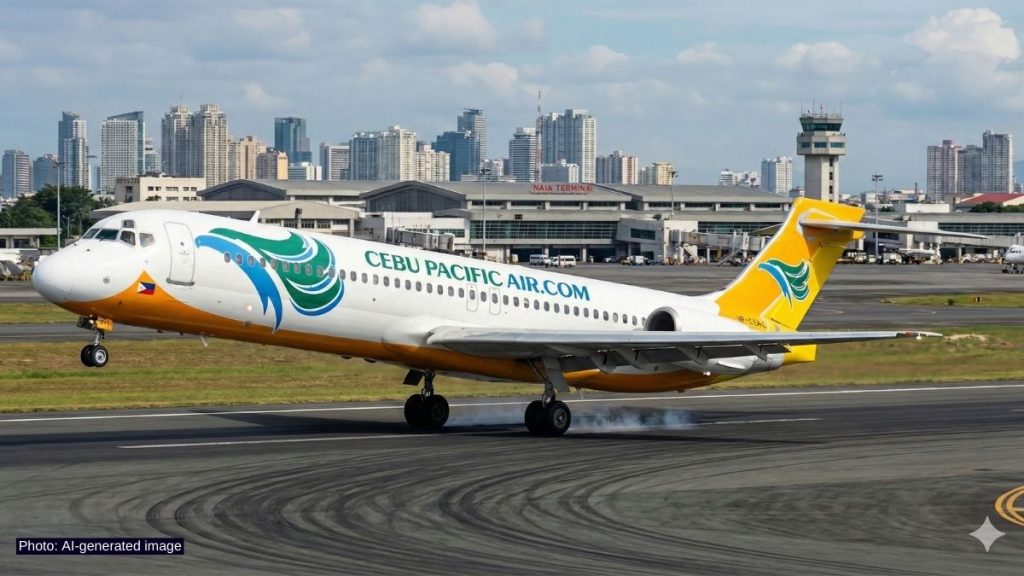
The basic idea made sense. Cebu Pacific wanted a short-haul jet that could move a lot of people and match regional route needs. Boeing’s performance brochure shows two common full passenger payload range figures: about 1,415 nautical miles (2,620 km) for the basic configuration and about 2,055 nautical miles (3,805 km) for the longer-range figure. The aircraft used Rolls-Royce BR715 engines, and Boeing’s own data lists thrust ratings at 18,500 lb (8,391 kg) and 21,000 lb (9,525 kg), depending on the engine variant. These details supported the idea that the aircraft could handle short routes well, with enough performance to cover key markets Cebu Pacific had in mind.
Cebu Pacific later changed course and moved to Airbus. In September 2004, Cebu Pacific firmed up orders for 12 Airbus A319s powered by CFM56 engines, and it also signed an MoU to lease two new A320s. The leased A320s were due in April and May 2005, and the A319 deliveries were set from September 2005 through February 2007. This shift moved the airline toward a larger family with more room to adjust as the network changed.
A Boeing 717 decision was risky
Looking back, pursuing the 717 path would have introduced significant long-term risks. In March 2004, the Los Angeles Times reported that Boeing was considering shutting down 717 production due to declining sales. Ultimately, Boeing ended the program, delivering the final 717s on May 23, 2006. According to Boeing’s own announcement, the program produced a total of 156 airplanes, and that last delivery marked the formal closure of the 717 line. For an airline, this timeline can raise concerns about long-term support and planning.
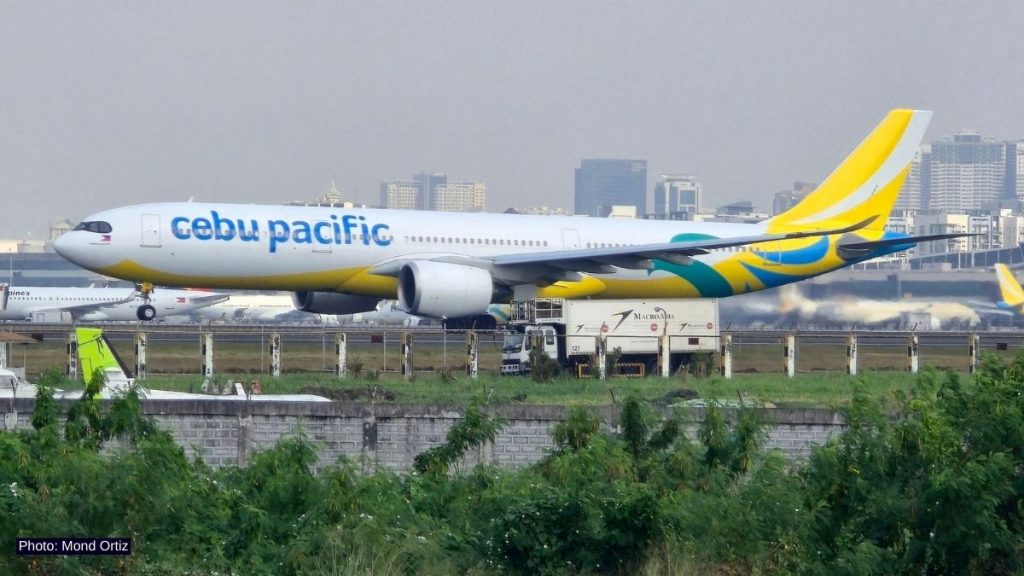
The history of Cebu Pacific provides insight into why the airline successfully avoided a challenging situation. When a jet ceases production, it becomes increasingly difficult to plan around it over time. Airlines must consider factors such as parts supply, training, resale values, and the ease of adding more aircraft in the future. Although the 717 performed well for short-haul flights, its limited range and small production run reduced flexibility when Cebu Pacific began to expand rapidly. Growth pressures fleet planning, and limitations in aircraft options become apparent more quickly when routes and demand change suddenly.
The Airbus A320 family gave Cebu Pacific a wider runway for growth. The airline could add capacity, range, and frequency across a common family without switching to a completely different training and support system each time its network changed. The A319 and A320 timeline also matched Cebu Pacific’s need to retire DC-9s before maintenance costs rose even more. This mattered because older aircraft can become expensive to keep flying, even when they still work.
This trivia stays with me because it shows how fleet decisions are not only about performance on day one. A good fit also means the airplane can support the airline’s plans. Cebu Pacific avoided building its jet fleet around a program that would soon end, and that gave the airline more room to grow in the years that followed to become the airline they are today.
Post Comment