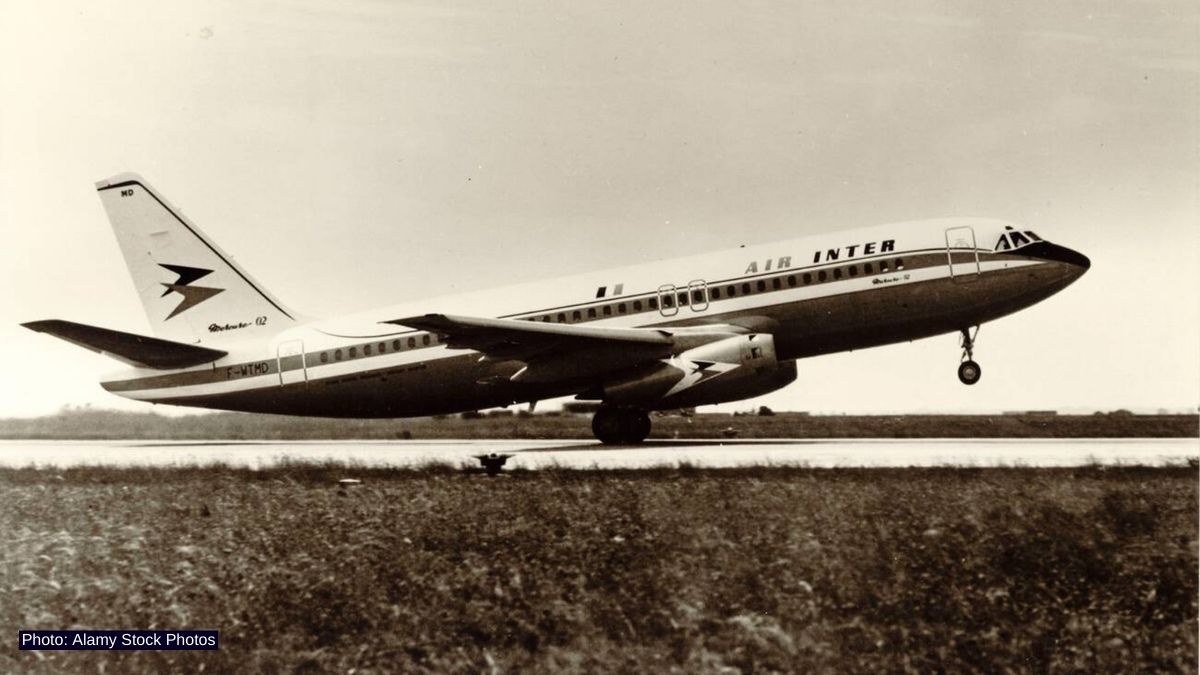
The jetliner world once had many builders, not only Airbus and Boeing, and each one tried to win airline orders. Builders like Boeing, Convair, Lockheed, McDonnell Douglas, Tupolev, BAC, and Dassault all fought for a place in airline fleets. Airbus entered the market in the 1970s and later changed the balance. In that wider race, Dassault placed the Dassault Mercure into a crowded field and aimed it at a clear target.
Dassault built the Mercure as a short-haul rival to the Boeing 737 and the Douglas DC-9. Many people know Dassault for the Mirage fighter and the Falcon business jet, yet the company also wanted a role in airline transport. Dassault wanted a domestic aircraft that traded range for passenger capacity, so airlines could move more people on short routes. Dassault focused the design on efficiency across short sectors, not on long reach.
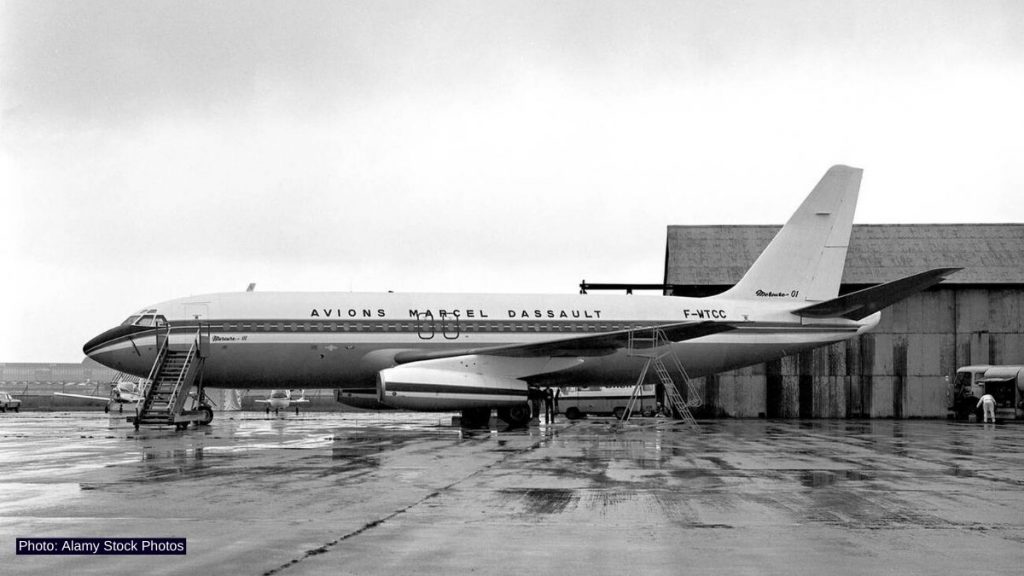
The Mercure’s concept and design
French planners and regulators saw many short routes in the mid-1960s. The French civil aviation authority encouraged Dassault to build an upscale 737 competitor with around 140 to 150 seats. Dassault set the Mercure around a planned range of about 1,000 kilometers. Designers sized the fuel system for short trips, then used the saved weight and space for more seats. This choice shaped the whole program and set its limits from the start.
Dassault launched the Mercure program in April 1969. Engineers used calculation tools that Dassault described as very modern for the time to develop the wing. Dassault mounted two Pratt & Whitney JT8D-15 turbofan engines under the wing. This layout matched other short-haul jets of the era and kept the aircraft within known design choices that airlines and crews already understood.
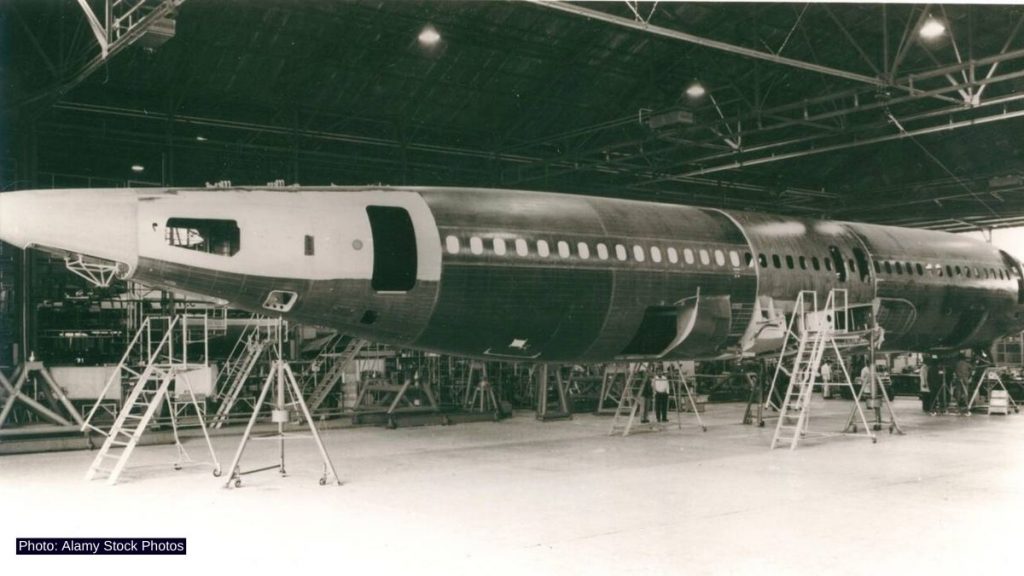
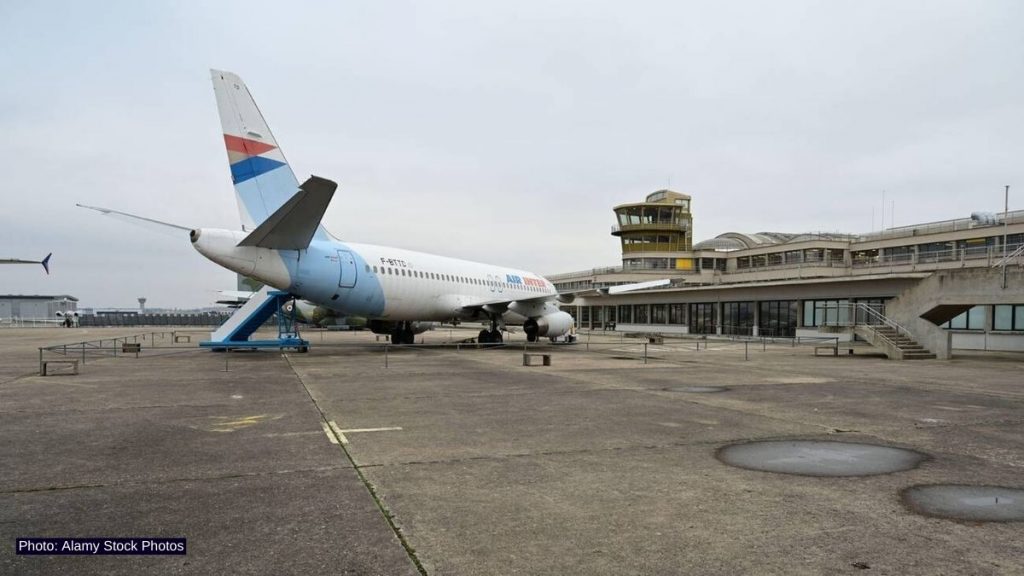
The prototype flew for the first time on May 28, 1971, from Mérignac near Bordeaux. Air Inter placed an order for 10 aircraft on January 30, 1972. The first commercial flights took place on June 4, 1974, from Orly to Toulouse and from Orly to Lyons. Those dates show a program that moved from concept to service, yet the order book did not grow.
Why the market rejected it
The Mercure could perform well on the mission Dassault picked, yet airlines did not want a one-mission aircraft. Airlines needed aircraft that could fly short sectors, then cover medium routes as networks changed. Dassault later pointed to airline preference for a versatile aircraft that could handle both short and medium haul. Airlines also needed flexibility for routes that changed with seasons, demand, and competition.
Many carriers also needed more range margin for weather, alternates, and holding, even on routes that looked short on a map. Airlines plan for delays and diversions, and they value extra fuel capacity that helps protect the schedule. A longer-range Mercure would have needed a new balance of fuel, weight, and payload, and that change would have pushed the program into redesign work. Dassault later proposed the Mercure 200 with CFM56 engines as an improved version, yet airlines did not place orders. The market had already moved on, and confidence did not build.
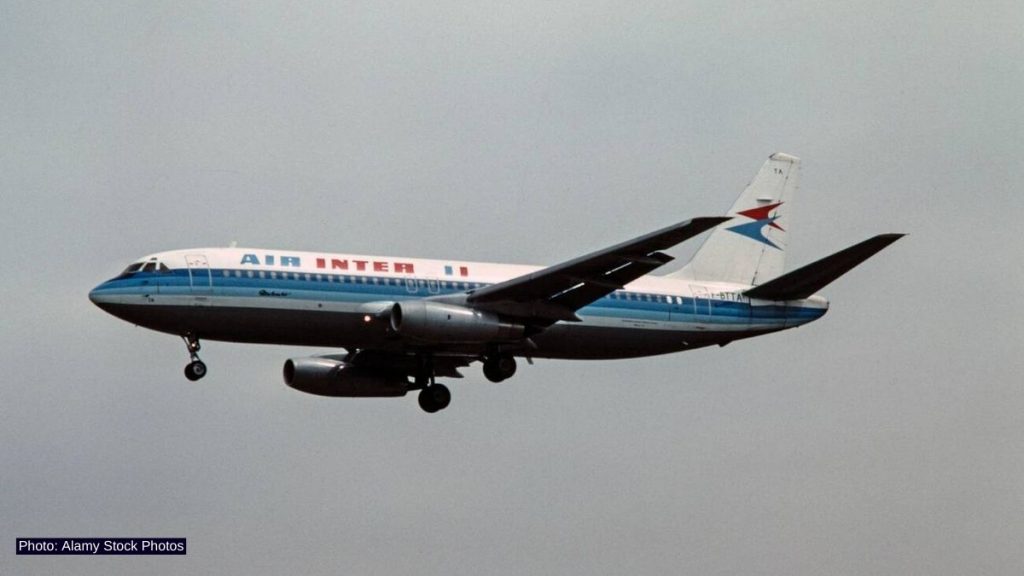
Air Inter became the only customer. Air Inter operated the 10 production Mercure 100s, and Dassault stopped the assembly line on December 19, 1975. Air Inter later asked Dassault to adapt a prototype into airline service in 1983, yet no other airline joined. That gap shows the core problem: one customer could not sustain an airliner program, even when the aircraft did the job it promised.
Boeing also held a long record in airliner support, training, and spares, and airlines trusted that track record. Airlines pay close attention to parts supply, maintenance support, and long-term training systems. Boeing also designed the 737 as a platform that it could update over time. Airlines kept choosing the 737 family because it offered more route options and a clearer family path. That path mattered as airlines planned fleet growth and route changes over many years.
The longer lesson about foresight
Boeing still produces the 737 today in the 737 MAX family, and that fact shows how far a platform can stretch. The 737’s low ground clearance creates limits for larger engines. Boeing mounted the MAX engines higher and farther forward, and that change affected handling in some flight conditions. Boeing added MCAS to help address that handling issue.
Two 737 MAX 8 crashes followed, Lion Air Flight 610 on October 29, 2018, and Ethiopian Airlines Flight 302 on March 10, 2019. Investigators linked the accidents to multiple factors that included MCAS behavior and angle-of-attack sensor input. Regulators later required design and training changes before airlines returned the aircraft to service. These events also show how early design choices can shape later upgrades and create complex tradeoffs.
Aircraft design needs foresight that goes beyond the first customer and the first route map. The Dassault Mercure showed what happens when a builder optimizes too tightly and leaves airlines with too few ways to grow. Airlines need flexibility, support, and margin, not only good performance on one set of routes.

Post Comment