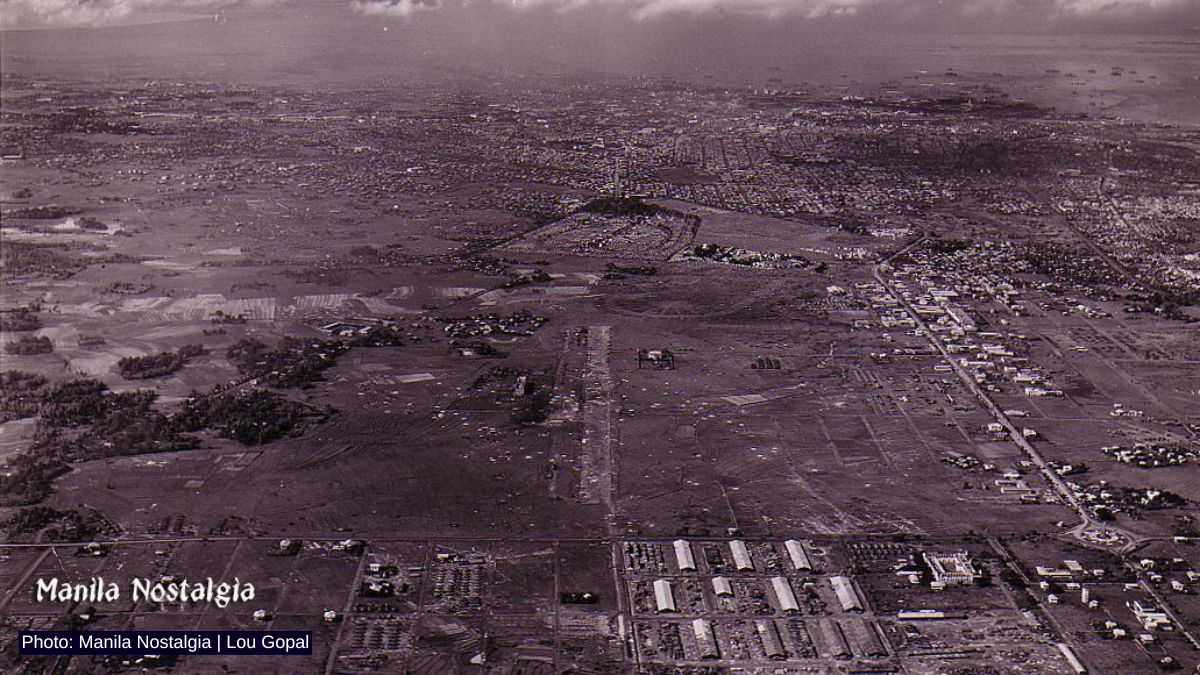
If you spend a lot of time in the Makati Central Business District, especially along Makati Avenue, you will see Nielson Tower. Many people say it was the first commercial airport in Manila. That is not correct. Manila’s first commercial land airport was in Caloocan, not Makati. It was Grace Park Airfield, which opened in 1935 and was first used by PATCO, or Philippine Aerial Taxi Company. Nielson Airport opened later, in 1937. This is why Grace Airfield in Caloocan, now the Grace Park area, deserves to be remembered first in the story of Manila’s early commercial aviation.
Grace Park Airfield in Caloocan City is widely recognized as Manila’s first commercial land airport. That means it was the first regular civilian airport on land in what is now Metro Manila. This distinction is important. It was not the first aviation arrival point in the Manila area, because seaplanes were already landing on Manila Bay. What Grace Park introduced was Manila’s first land-based commercial airfield for civilian use.
The airfield opened in 1935 in the Grace Park area of Caloocan, near what is now the Monumento area. Metro Manila did not yet exist as an administrative region during that time, yet Grace Park Airfield still holds this place in history because it stood within the area that is now part of Metro Manila. Before larger airports took over, Grace Park was the first field that served Manila’s early civilian aviation needs.
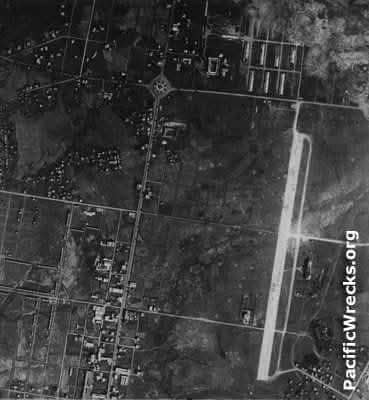
Grace Park Airfield belonged to the first phase of domestic air travel in the Philippines. It was used by the Philippine Aerial Taxi Company, or PATCO, and by light aircraft flying to destinations such as Loakan in Baguio and other early routes. This gave the field an important role in the first stage of scheduled and semi-scheduled flying centered on Manila. It was a practical airfield built for a time when Philippine commercial aviation was still small and still developing.
Its period as Manila’s main civilian airfield was important, yet it did not last long. In July 1937, Nielson Airport opened in Makati and quickly became the city’s main gateway. Nielson was larger, newer, and more advanced for its time, so it soon took over the role that Grace Park Airfield had started. Grace Park then moved into the background, yet that does not reduce its importance. It remained the first real step in Manila’s shift toward a permanent civilian airport system.
The Second World War changed the purpose of the field. During the Japanese occupation, the airfield was further developed and given a concrete runway. Nearby Highway 54, now EDSA, was also used as part of wartime air operations in the area. This changed Grace Park from a civilian field into a military-use airstrip during the war years. It became part of the wider wartime air network around Manila.
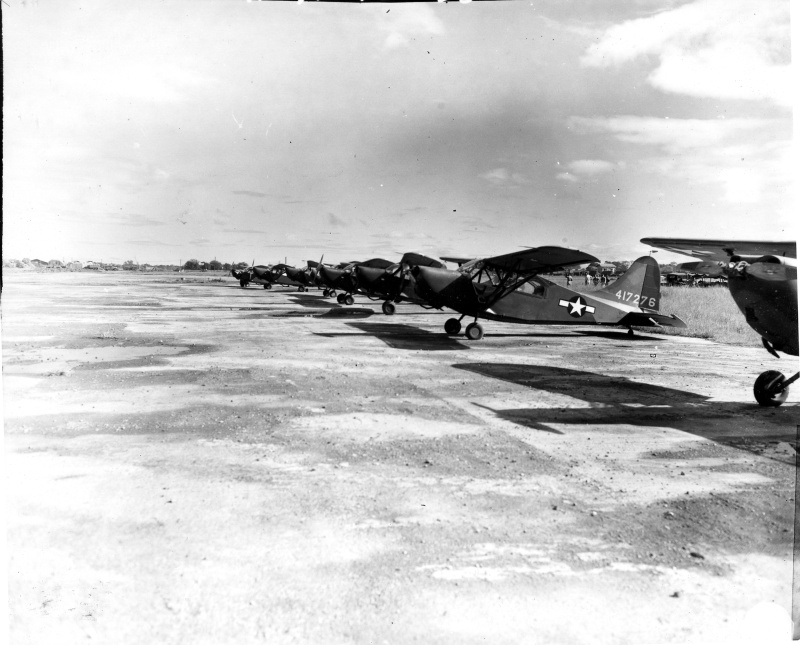
The airfield continued to serve a purpose during the liberation of Manila in 1945. The U.S. Army used the field for liaison and observation aircraft. Aircraft such as the Piper L-4 Cub and the Stinson L-5 Sentinel operated there for artillery spotting and local observation work. The airfield stayed active into the immediate postwar years and remained in use until at least 1946. This means Grace Park Airfield served Manila in one form or another for roughly a decade, from its opening in 1935 through the postwar transition period.
Airport activity in Manila later moved elsewhere. Nielson remained important for a time, yet by 1948 airport operations had shifted to Nichols. That site later developed into Manila International Airport and eventually into today’s NAIA. Once that shift happened, Grace Park’s role as an airfield came to an end. The former airport site was slowly absorbed into the growing Grace Park district and disappeared into the city around it.
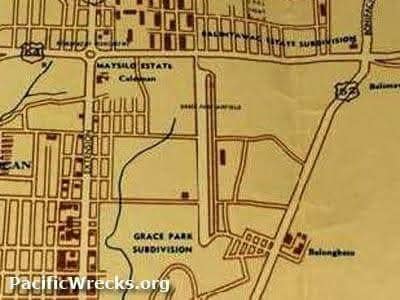
No more trace of Grace Park Airfield
Today, no active trace of the old airport remains as an operating airfield. The former site is now part of urban Caloocan, in the Grace Park subdivision area along Rizal Avenue Extension, roughly between 2nd and 11th Streets, not far from the Monumento circle. Buildings, roads, and commercial spaces now stand on ground that once served as Manila’s first commercial land airport.
Grace Park Airfield may no longer exist as an airport, yet its place in Philippines aviation history remains secure. It was the first commercial land airport that served Manila. It marked the start of civilian airport development in the capital. It also became the earliest chapter in the airport story that later moved through Nielson Airfield, Nichols, and eventually NAIA.
Post Comment