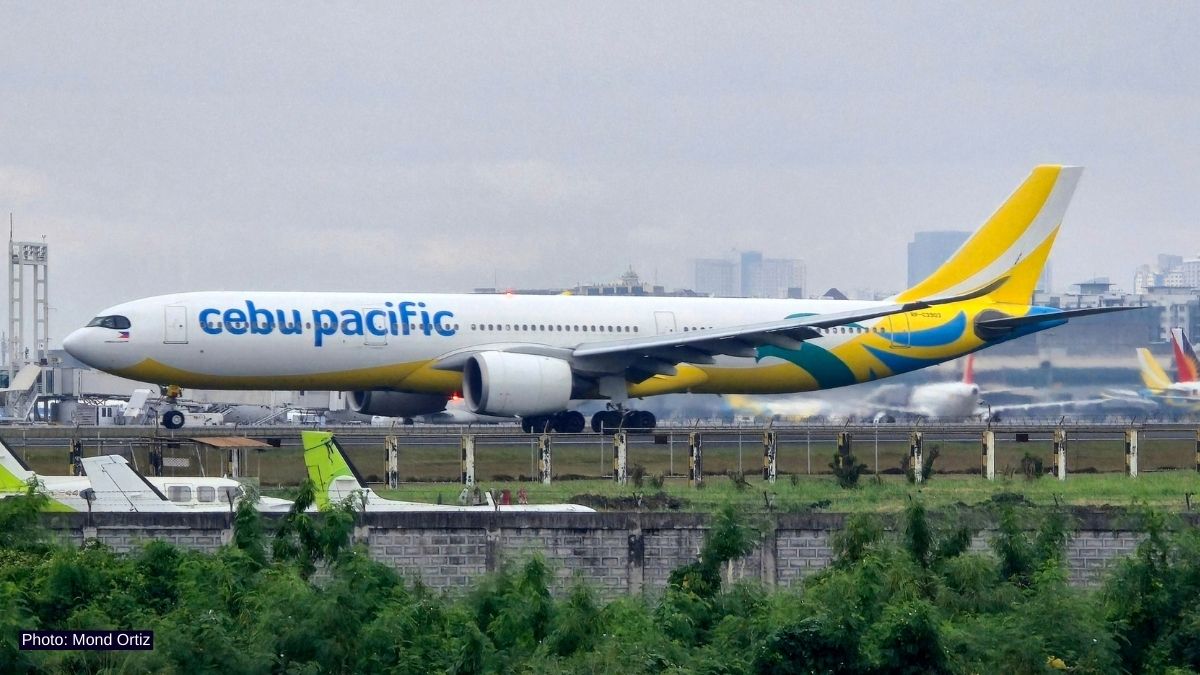
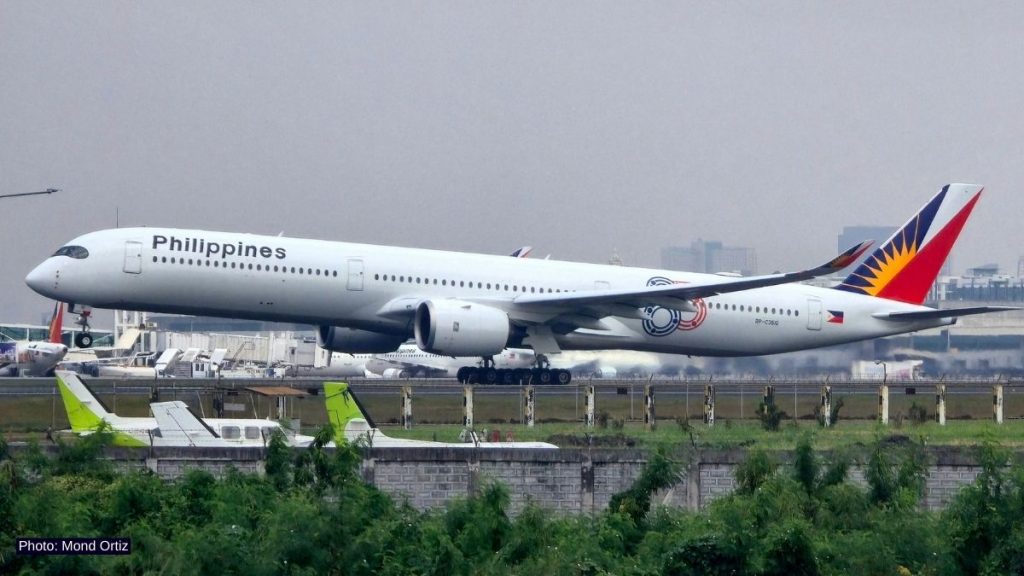
I hear this all the time from fellow aviation enthusiasts and even from people who are not deep into aviation. Some want Philippine Airlines flying Boeing 777-9s instead of Airbus A350-1000s. Others want Cebu Pacific flying Airbus A350-900s to the U.S. West Coast. Those ideas sound exciting, yet airlines do not buy aircraft based on hype, best sellers, or what another carrier chose to do their fleet planning. Airlines buy aircraft to solve a specific business problem, then they live with that decision for decades. This is why I want to share a little insight on how airlines choose aircraft for their fleet planning.
There are many factors to consider, and the details can go very deep. It is not only about range, money, finances, or passenger count. Airlines look at many things because one missed detail can lead to the wrong aircraft choice, and that can create long-term losses and long-term operational problems.
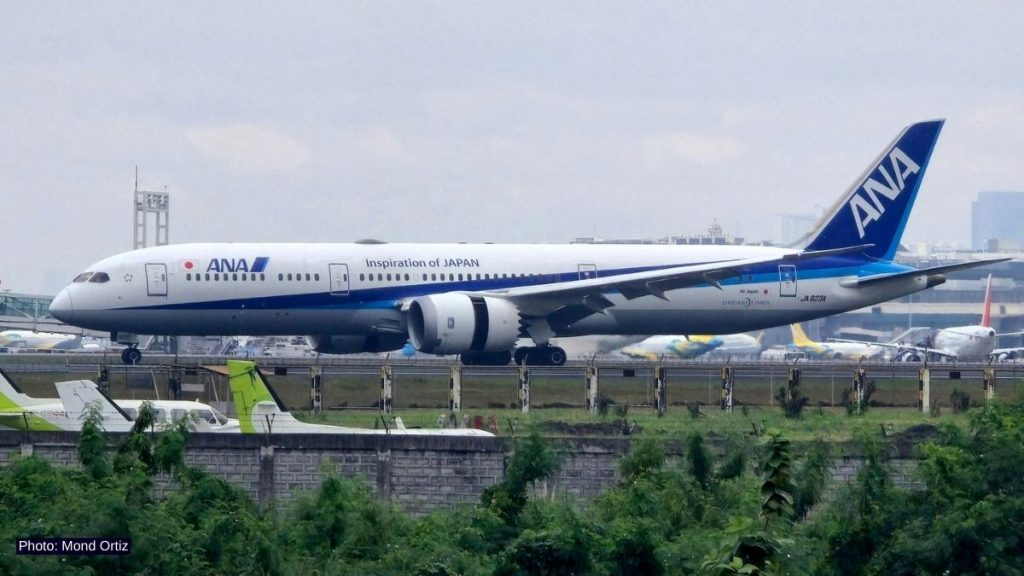
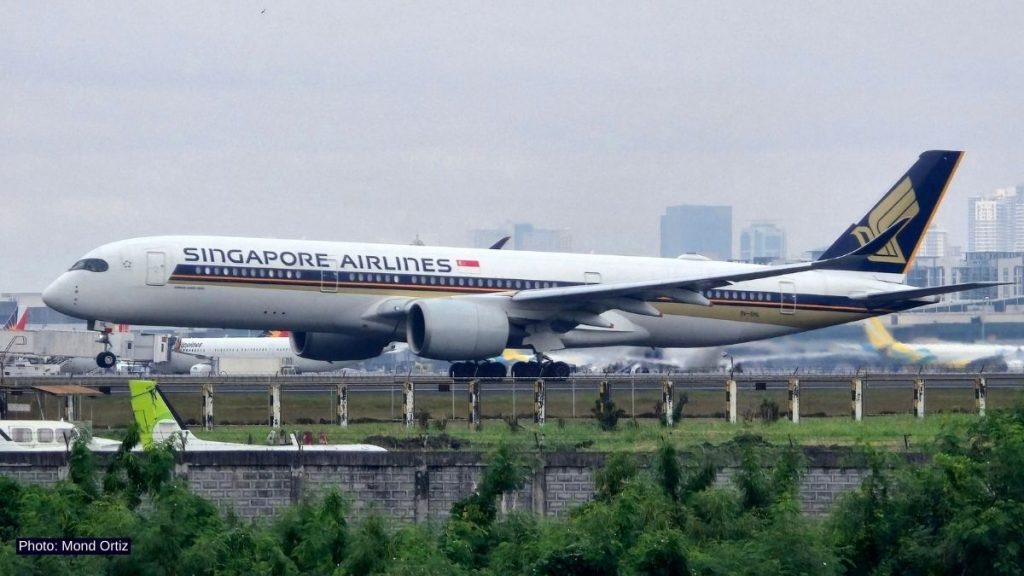
Airlines also apply different strategies and different criteria. There is no single rulebook that fits everyone. The main rule is that the choice has to work with the airline’s goals. The points I’m sharing here are the more general side, and I will use the Airbus A350 and Boeing 787 as simple examples, just to make the process easier to understand.
Routes and markets
Fleet planning starts with the route map the airline wants to build. Planners study how far the flights will be, how demand changes by season, how much cargo the route might carry, and what fares the route can realistically support. That work helps define the real “target” aircraft: the right capacity, the right range, the payload it needs to lift, and how many flights per day the airline needs to run to make the route work.
Airport limits narrow the choices fast. Runway length, hot-and-high performance, noise limits, gate size, and available ground equipment can remove many aircraft from consideration. A plane can look perfect on paper and still fail at the airports that matter most to the airline.
Operating costs
Fuel efficiency is a big factor, but yet, it is only one part of the daily cost picture. Airlines also model maintenance cost, dispatch reliability, spare parts access, and the strength of the support network in the airline’s region. A lower fuel burn does not help much if the aircraft spends too much time waiting for parts or for specialist labor.
Fleet commonality can also decide the winner. Adding a new aircraft type can mean new pilot training, new simulators, spare engines, special tools, and a larger parts inventory. Those costs can be worth it, yet the airline has to see a clear payoff. This is one reason many low-cost carriers prefer fewer aircraft types, since that keeps training and maintenance simpler.
Aircraft details
The fuselage cross-section affects weight and drag. More outer skin area usually means more structure weight. More skin area also means more skin-friction drag in cruise, since air rubs against the aircraft’s surface.
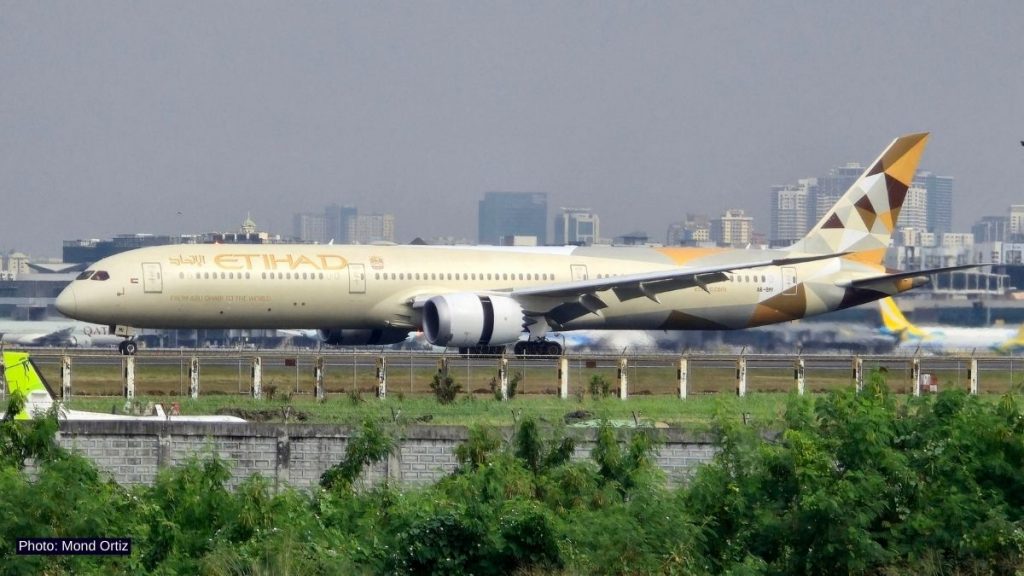
This is why aircraft comparisons go deeper than range claims. The Boeing 787 has a fuselage constant diameter around 5.75 meters, and the Airbus A350 family has a wider fuselage around 5.96 meters. The A350 can offer a wider cabin layout, yet the larger fuselage can also bring extra weight and drag. Airlines weigh that comfort and revenue upside against cost, route needs, and the rest of the fleet.
Longer range brings added capability, and that capability brings weight. More range usually means more fuel, higher takeoff weight, and often stronger structures and higher thrust. The airline then pays for that capability in several ways, including higher maintenance exposure and higher airport and navigation charges that often scale with aircraft weight.
Many airlines pick an aircraft that is “right-sized” for the routes it will fly most of the time. A rare ultra-long flight can look great in marketing, yet most aircraft spend most of their time on repeatable, high-frequency routes where the airline needs steady performance and steady costs.
Finance and timing
Aircraft selection also depends on what is available and when. Delivery slots, financing terms, lease rates, and cash flow can change the decision. An aircraft that is slightly less efficient but arrives on time and comes with strong support can win over a more efficient aircraft that arrives too late.
An airline also thinks five to ten years ahead. Fleet planners model fuel price changes, shifts in demand, new competition, and airport growth. Buying aircraft is a long-term investment and a “make or break thing”. The right match supports growth and stable costs. The wrong match can trap an airline in a fleet that does not fit its routes, its airports, or its business model.
Post Comment