
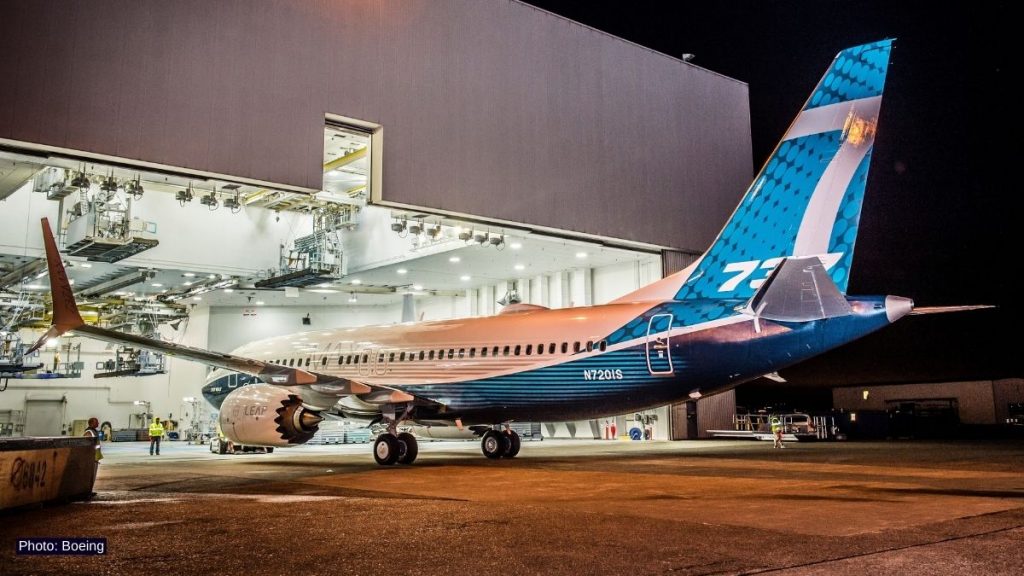
The original Boeing 737 sits low to the ground because that helped airlines in the early days. Many airports had basic equipment, and passengers could board using simple stairs. Over time, that low stance turned into a design limit once airlines wanted larger, higher-bypass engines with bigger fans that need more ground clearance. That also became a challenge for the 737 MAX in order to fit in the larger CFM LEAP-1B engine.
Longer landing gear sounds like the obvious fix, but the hard part is storage. The landing gear must retract into wheel wells sized around the classic 737 layout. A much longer fixed-length gear would force bigger bays and heavier structure, and that kind of change quickly turns into a costly redesign. Gate equipment, jet bridges, and service vehicles are also built around the 737’s height, so Boeing needed extra clearance without changing the airplane’s overall footprint too much.
Before the MAX, smaller updates were already introduced. The 737 Classic and 737 Next Generation relied on modest gear updates and engine installation tweaks to keep clearance acceptable as engines evolved. The MAX had to do more because the CFM International LEAP-1B engines were larger again.

A taller nose without a bigger wheel well
Boeing’s simplest place to gain clearance was the nose. The 737 MAX uses a nose landing gear that stands about eight inches taller than the 737 Next Generation when extended. That extra height raises the airplane’s nose attitude on the ground and helps keep the engine housings farther from the runway.
The MAX nose gear uses an articulated, telescoping shock strut that can compress into a shorter package inside the existing bay. The gear extends to full length on deployment, then retracts into nearly the same space as before. This approach added a few inches where they mattered, without forcing a major redesign of the forward fuselage structure.
The MAX 10’s length was also a concern
The 737 MAX 10 brought a different challenge. A longer fuselage means the tail sits closer to the runway when the pilot lifts the nose to take off. Tail strikes become a bigger risk when the airplane rotates to lift off.
A longer main landing gear would raise the tail, yet the main gear bays on a 737 are tight. Boeing’s solution for the MAX 10 was a semi-levered main landing gear. It acts like a longer gear at the moment of rotation, then folds back to fit in the existing wheel well.
The gear can extend about 241 millimeters, or 9.5 inches, during rotation to create extra clearance. After liftoff, a steel mechanism called a shrink link pulls the inner cylinder, which lets the gear retract into the same basic space the 737 has used for decades. This design gives the MAX 10 more rotation margin without demanding a completely new center body structure.
Every extra inch also mattered
Every inch on the 737 is a balance between engineering limits and airline realities. A taller stance affects loading heights, passenger boarding angles, and how ground equipment lines up with doors and cargo holds. The more Boeing changes, the more airlines face extra training, equipment, and infrastructure costs.
Telescoping and semi-levered gear designs let Boeing focus on a narrow goal: gain the clearance needed for a new engine installation and, on the MAX 10, gain tail clearance during rotation. The airplane still fits the same general airport setup that has supported the 737 for decades.
Then again, this adds more complexity to the balance. Moving parts that extend and then compress add engineering and maintenance considerations. Boeing accepted that trade because it was still smaller than the cost and risk of a full redesign.
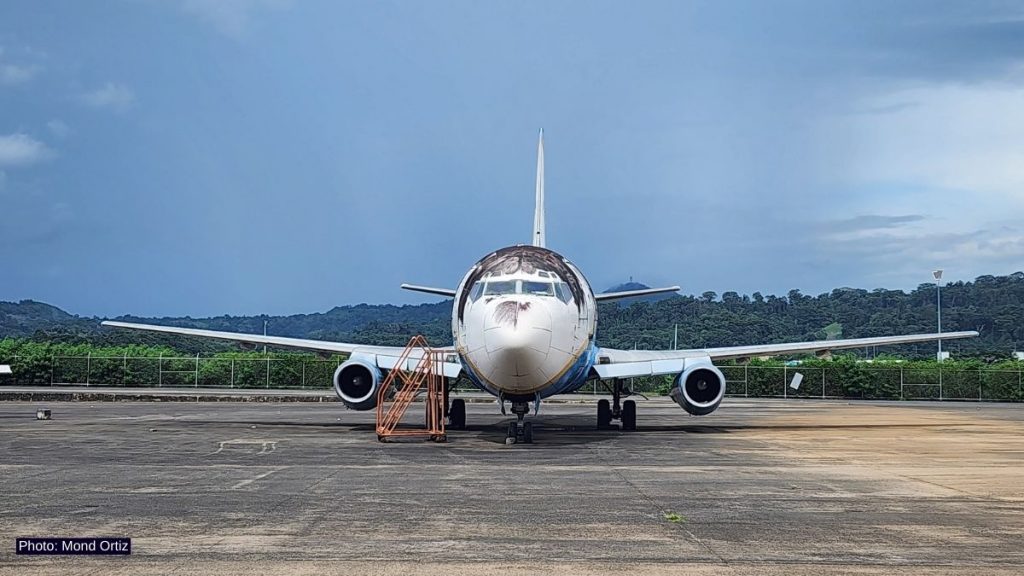
This is where the 1960s design limitations start to show. Turbofan engines are getting larger because higher bypass ratios keep pushing fan sizes up. With the 737 originally designed to sit low to the ground, Boeing can only do so much when fitting larger high-bypass turbofan engines. Installing engines even larger than the CFM LEAP-1B could affect the aircraft’s performance and would also affect ground clearance. This is why the question comes up: is it time for Boeing to create a totally new narrowbody plane from scratch? Maybe it is about time.


Post Comment