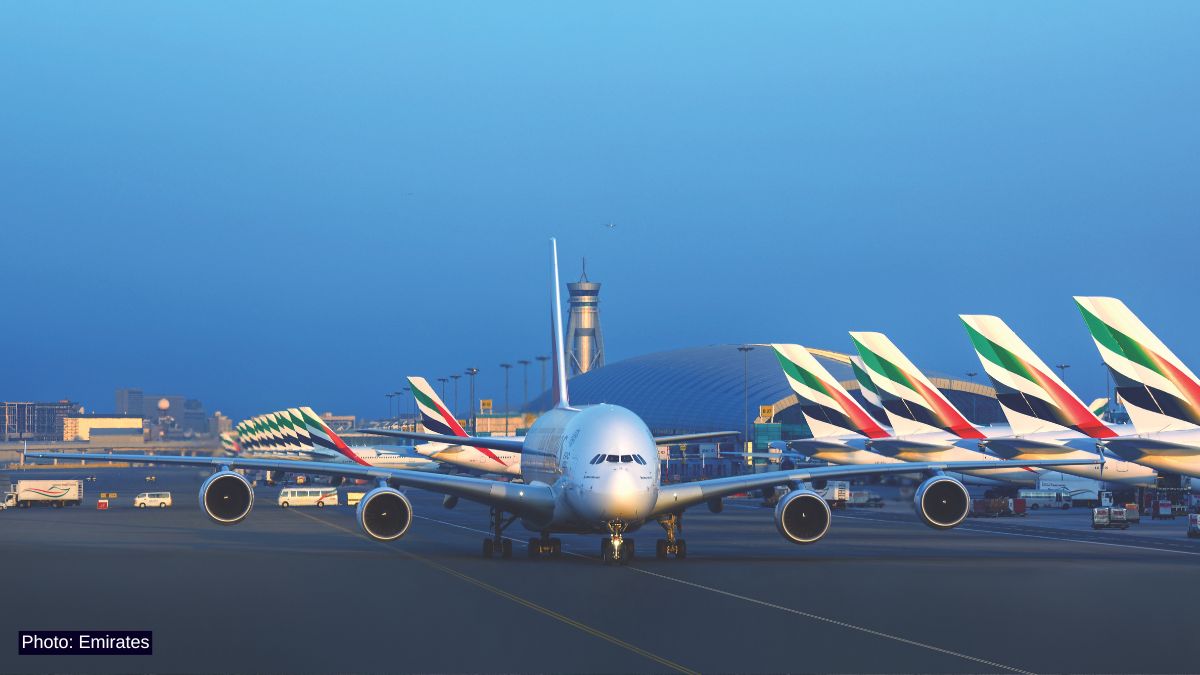
I have read claims that the hub-and-spoke airline network model is losing to the point-to-point model, especially with the arrival of ultra-long-range aircraft like the Boeing 787-9 and the Airbus A350-900ULR, which can fly very long distances nonstop. I still disagree with that view. The better answer depends on the goals of the airline, the airports it uses, and the wider system around it. I want to explain how both models work first, because that also helps explain why airports like Dubai International Airport are so important and why Emirates flies to so many destinations through Dubai.
Airline networks still follow two main models: hub-and-spoke and point to point. In a hub-and-spoke system, an airline brings passengers into one or more main airports, then sends them onward through connecting flights. In a point-to-point system, the airline focuses more on carrying passengers directly between city pairs instead of routing as many of them through a central hub. The basic difference is simple. Hub and spoke is built around connections, while point-to-point is built around nonstop demand.
A true hub-and-spoke airline usually builds “banks” of arrivals and departures. Flights arrive at the hub in waves, passengers connect, then another wave leaves. This structure helps an airline serve many destinations without flying every city pair nonstop. This is why large network carriers still depend on hubs. American Airlines openly lists multiple hubs across the United States, and Emirates says it connects the world to, and through, its global hub in Dubai. That is the logic of hub and spoke: collect traffic, connect it, and move it onward.

Point-to-point works differently. It focuses more on local demand between two cities and keeps the trip simpler by avoiding unnecessary connections. This is why it became closely linked with low-cost carriers. Southwest still describes itself in official filings as a company that blends point-to-point nonstops with some intentional connectivity. That is an important update because it shows the model is no longer as pure as it once was. Southwest still leans heavily on direct city pairs, yet it now uses stronger connecting flows through its core stations when that improves revenue and network coverage.
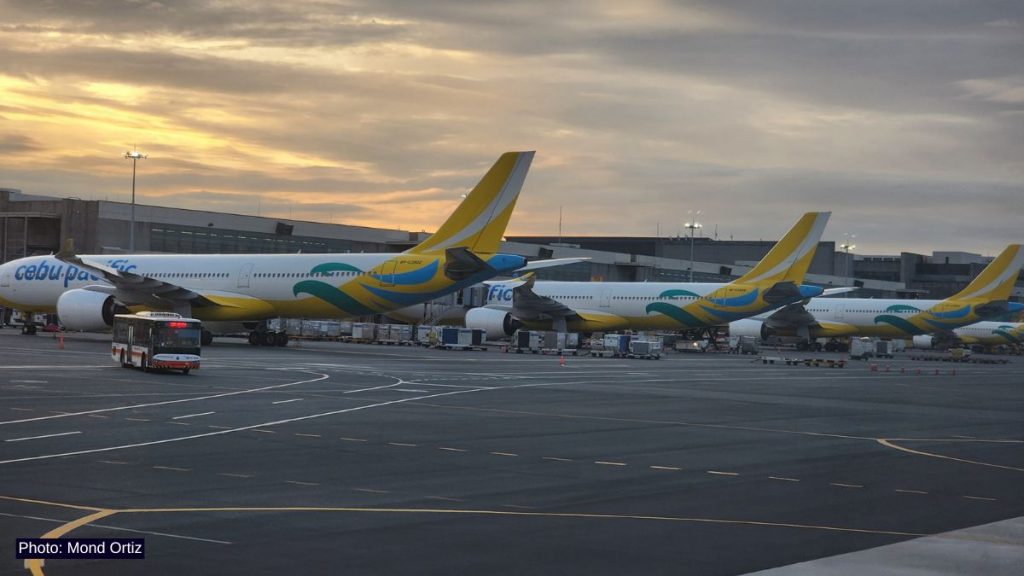
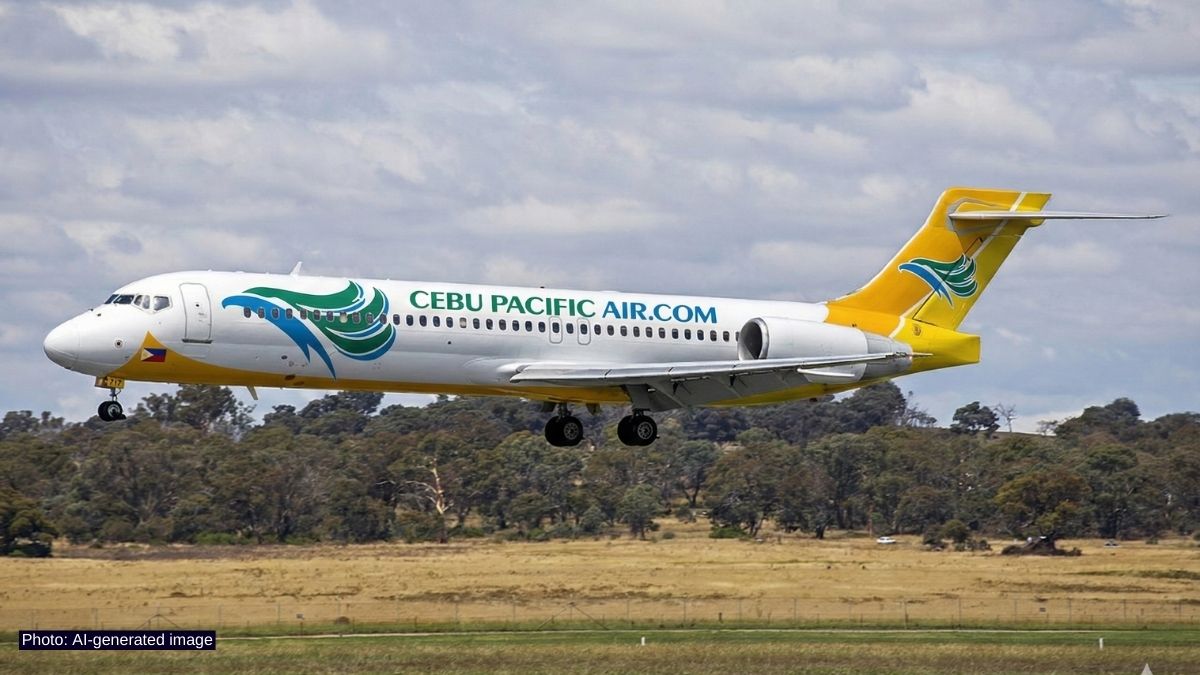
This is where the old “LCC equals point-to-point” idea needs correction. Airlines like Cebu Pacific, AirAsia, and Southwest can operate from multiple major airports without becoming classic hub-and-spoke carriers. Those airports often work as bases, focus cities, or operational hubs, not always as traditional banks of timed connections. Cebu Pacific, for example, runs direct Hong Kong flights from Manila, Cebu, Clark, Davao, and Iloilo. That is not a network built around one transfer center. Cebu Pacific is better described today as a point-to-point airline with hybrid elements, not a pure one-model airline.
Hub-and-spoke and point-to-point advantages and disadvantages
Both models have clear advantages and disadvantages. Hub-and-spoke gives airlines wider reach, stronger connecting traffic, and better aircraft use on thinner routes because it combines passengers from many origins into one flight. The downside is that hubs can become congested, delays can spread through the network more easily, and passengers often lose time because of connections. Point to point gives passengers a simpler trip, shorter total travel time, and less risk of missed connections. It also suits low-cost operations because it can support faster turnarounds and simpler schedules. The downside is that it needs enough local demand to work, and it is harder to connect smaller cities to a wider network without adding many more direct routes.
Full-service airlines are now using more point-to-point flying than before, mainly because newer long-range aircraft make it possible to serve “long, thin” routes that once needed a hub connection. The Airbus A321XLR is marketed as a network opener and network extender. Boeing says the 787 family has already helped airlines open more than 520 new nonstop routes, and the 787-9 itself has a published range of 7,565 nautical miles. Airbus also markets the A350-900 as capable of ultra-long-range flying up to 9,700 nautical miles, and Qantas now describes its upcoming Project Sunrise aircraft as the A350-1000ULR, built for nonstop flights from Australia to London and New York.
Aircraft like the 787-9, A350-900ULR, and A350-1000ULR make more nonstop flying possible for full-service airlines, yet they do not remove the need for hubs. They simply give airlines more flexibility to choose where nonstop service makes economic sense. The current trend is not one model replacing the other. The current trend is a hybrid system. Hubs still play a major role in global connectivity, especially for legacy airlines and long-haul international networks. Point-to-point flying keeps growing where newer aircraft and lower trip costs make nonstop routes practical. The future of airline networks is a mix of both, used where each one works best.


Post Comment