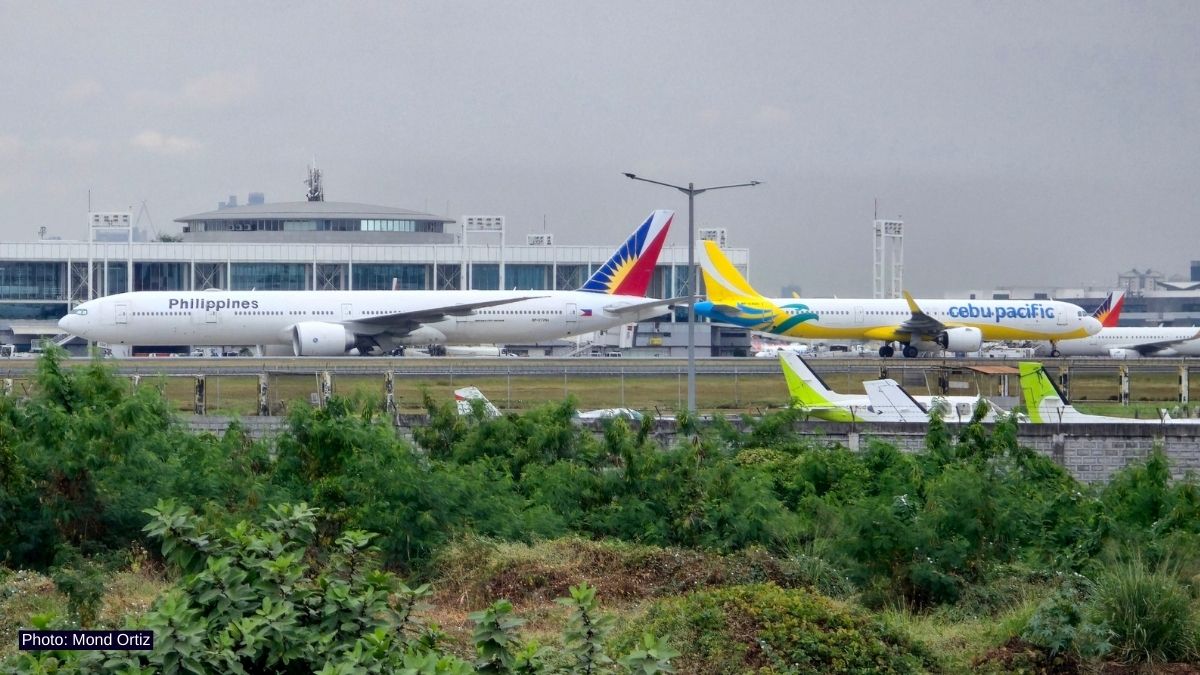
Ninoy Aquino International Airport posted its busiest month on record in January 2026, after what the airport called its strongest year so far. NAIA passenger traffic reached 4.96 million for the month, based on figures from New NAIA Infra Corp.. The total beat the 4.86 million passengers recorded in December 2025 and made January the busiest month in the airport’s history.
Travel demand stayed high after the holiday rush, and the numbers show that pattern clearly. The airport handled close to 2.6 million passengers during the peak travel stretch from December 20 to January 4 across all terminals. January 4 marked the busiest single day so far, with 180,089 passengers passing through NAIA.
January 2026 sets the pace
International travel led the growth in January. NAIA handled 2.42 million international passengers for the month, which the operator said rose 8.16 percent from a year earlier. The airport also called that figure the highest monthly international total in its history.
Domestic travel also increased. NAIA recorded 2.54 million domestic passengers in January, which the operator said rose 3.16 percent year on year.
Airport teams had to manage these higher volumes across the full month, not only during the holiday peak. The operator said NAIA kept operations stable during January even with heavier traffic. The airport kept flights moving and lines manageable through changes that it rolled out over the past year.
Upgrades that helped keep things moving
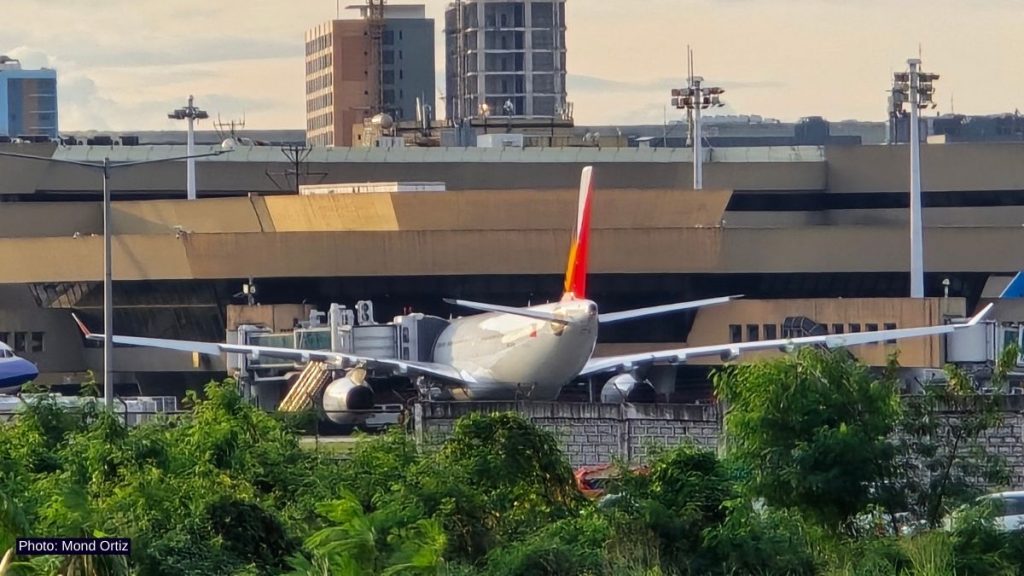
The operator pointed to several updates that helped support day-to-day operations. NAIA completed terminal upgrades and expanded systems that help passengers move through key checkpoints faster. The airport also rolled out biometric immigration e-gates and biometric passenger processing systems. These tools can help reduce manual steps for travelers who qualify and can also help staff manage queues during busy hours.
The operator also credited closer coordination among airlines, government agencies, and airport service providers. This kind of coordination matters during peak periods because teams need to align on gate use, flight schedules, staffing, and passenger flow. Lines can build quickly when one part of the process slows down, so airport teams often focus on keeping each step moving at a steady pace.
NAIA serves as the Philippines’ main airport hub for domestic and international travel. The public and private partnership structure sets clear roles at the airport. NNIC handles operations, maintenance, and modernization, and the government keeps ownership of the airport.
NNIC also reported payments to the national government tied to that partnership. The operator said it has remitted P62.7 billion to the national government since it took over NAIA operations in September 2024, based on the terms of the concession.
Post Comment