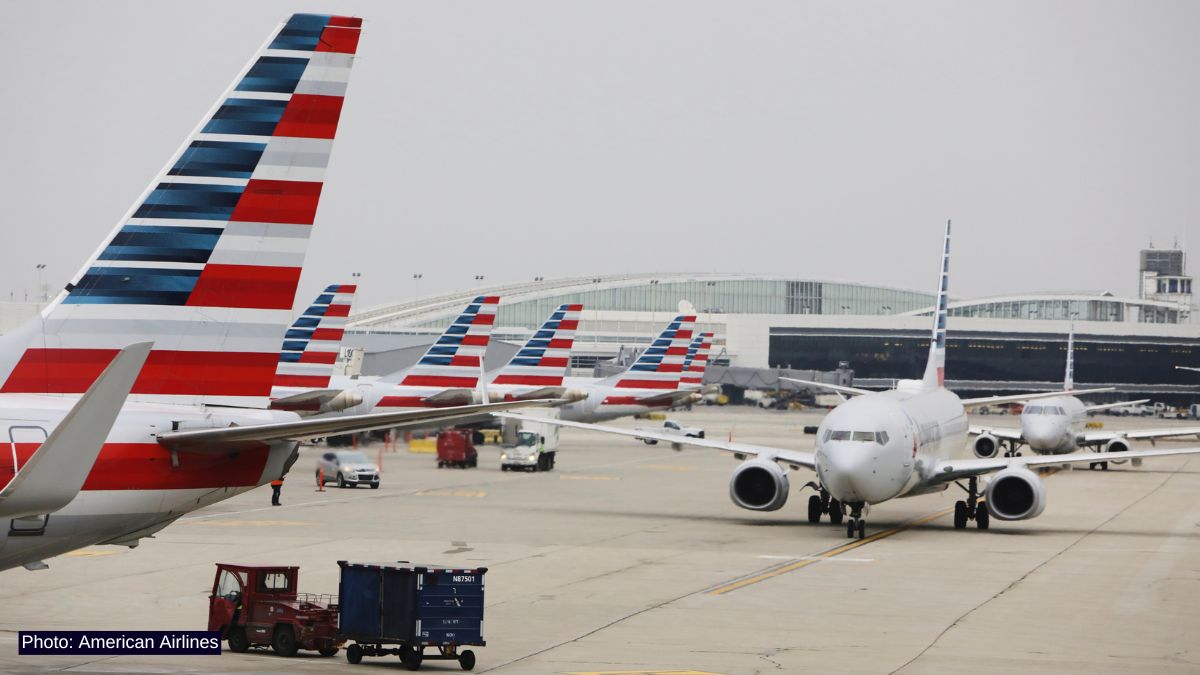
A wave of storms caused major flight problems across the United States on Monday, with more than 12,500 flights delayed or canceled as bad weather spread across the East Coast, the Midwest, and the Great Lakes region.
The worst disruptions hit some of the country’s busiest airports. Because of the threat of high winds and severe thunderstorms, the Federal Aviation Administration ordered delays at LaGuardia, JFK, and Newark, along with Reagan Washington National Airport, Orlando, Charlotte, Atlanta, and Houston Bush. These airports handle large numbers of flights every day, so delays there quickly spread across the wider network.
Transportation Secretary Sean Duffy said the weather was affecting flights across the country. At the same time, a major winter storm was also creating problems in the Midwest and Great Lakes, adding even more pressure to an already crowded travel system.
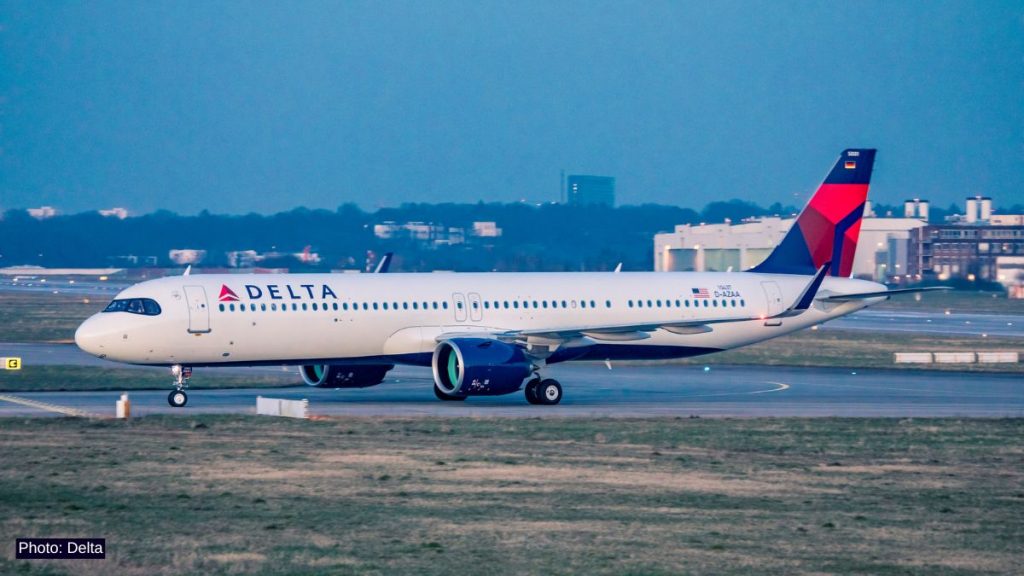
Delays spread across major airline hubs
The FAA had earlier issued ground stops at Reagan National, Chicago O’Hare, and Charlotte before later lifting them. Ground stops remained in place at Houston Bush and Baltimore-Washington International Airport, showing that the weather was still causing trouble in key parts of the network.
By 4 p.m. EDT, FlightAware reported that more than 8,500 U.S. flights had been delayed and 4,000 had been canceled. That pushed the total number of disrupted flights past 12,500, making it one of the most difficult travel days in recent weeks.
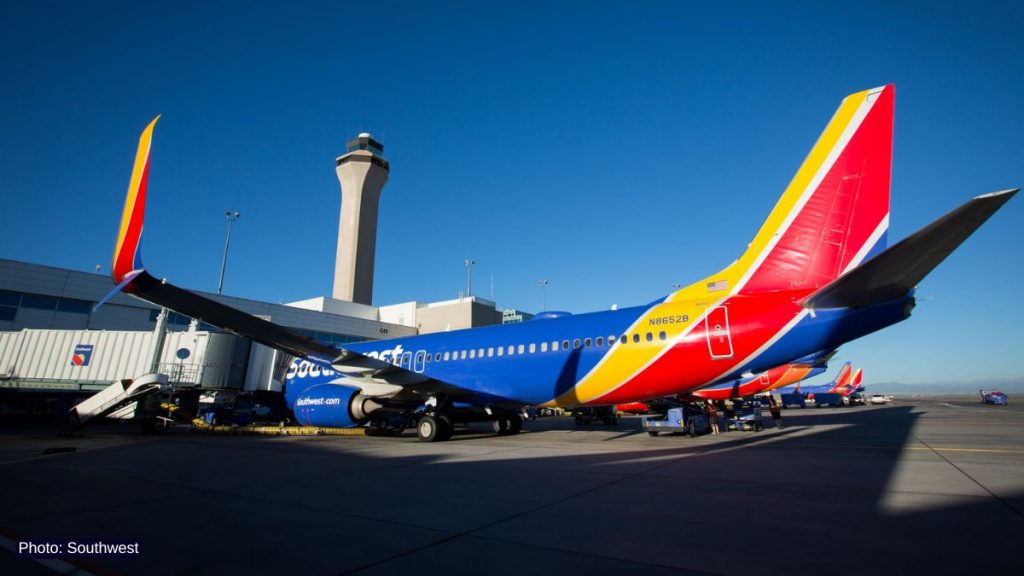
The biggest U.S. airlines were all hit hard. According to FlightAware, American Airlines, Southwest Airlines, and Delta Air Lines each had about 45% of their flights either delayed or canceled. United Airlines also saw major disruption, with 36% of its flights affected.
Airport-level numbers showed how wide the impact had become. Around 57% of flights at Atlanta were delayed or canceled, 51% at Chicago O’Hare were affected, and 57% at LaGuardia also faced disruption. Those numbers show how quickly weather can slow down the entire system when storms hit major connecting airports.
Weather problems went beyond airports
The travel impact was not limited to aviation. The U.S. government also ordered federal employees in the Washington, D.C. area to leave their offices by 2 p.m. because of weather risks. That move showed how serious conditions had become, especially in the capital region.
For airlines, storms like this are difficult because even after the weather improves, crews, aircraft, and passengers are often left out of position. That means recovery can take hours or even longer, especially when several large airports are affected at the same time.
Attribution: Reuters

Post Comment