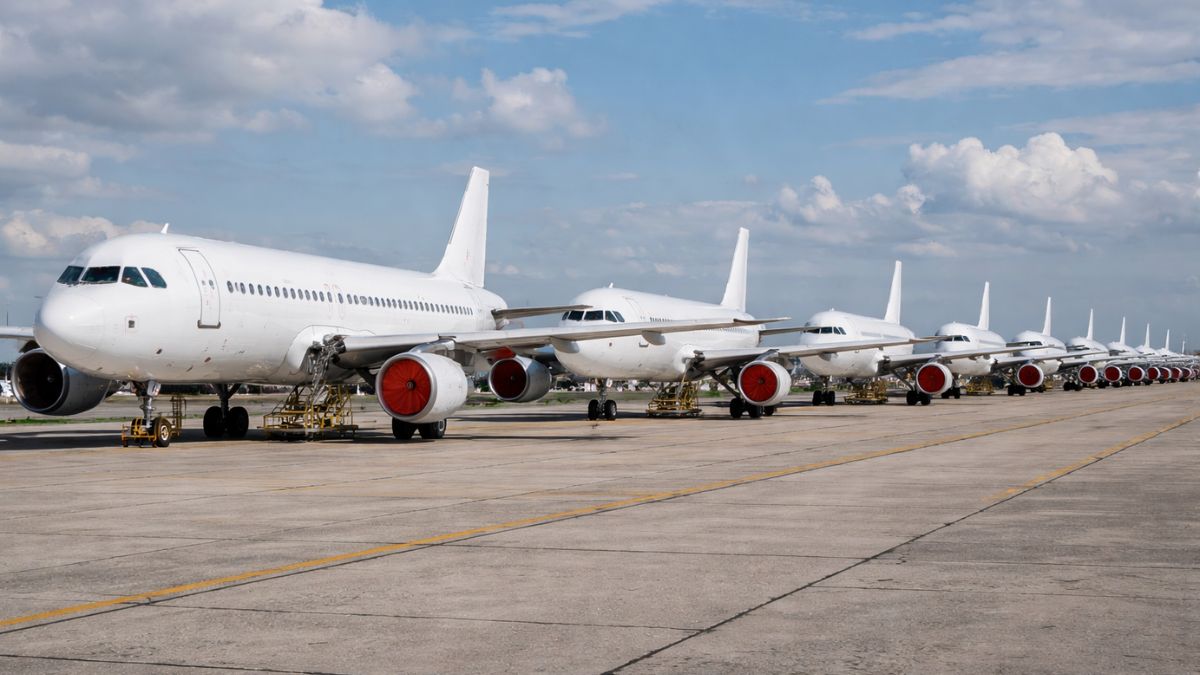
Aircraft delivery delays keep frustrating airlines in 2026. Many people hear “supply chain issue” and think the problem should have ended when the pandemic eased in 2022. Airlines still face the same problem because the system that builds and supports jets must handle two heavy jobs at once. Manufacturers need parts and labor to assemble new aircraft. The same suppliers also need parts and labor to keep today’s fleets flying, since airlines now fly older aircraft longer than planned.
Airlines feel the impact right away. Airlines keep more older, less fuel-efficient aircraft in service because Airbus and Boeing deliveries keep slipping. Engine makers and other suppliers now split their time between producing parts for new jets and producing parts for maintenance. Airlines also keep more aircraft on AOG, which means aircraft on ground, because they wait for parts, engines, or shop slots.
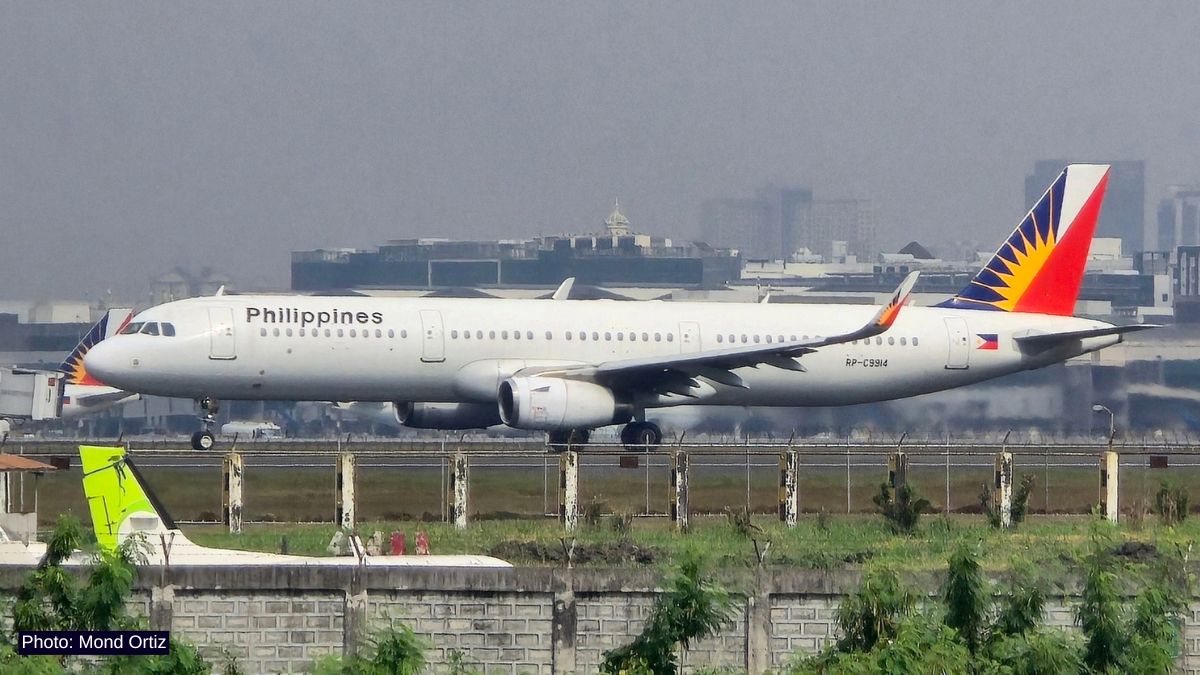
One recent example came from PAL Express. PAL Express ordered five used A320ceos to expand quickly. Two aircraft already arrived, and the airline awaits three more. Many people expect airlines to order A320neos instead, yet delivery timing often drives the decision. Many airlines that place new orders today may wait until around 2030 for delivery. Airlines need aircraft sooner to match demand. Operators also trust the CFM56 engines on many A320ceos, and they often see fewer issues than the PW1100G GTF engines that power many A320neos.
Suppliers still face long lead times
Suppliers now face delays that go far beyond one missing part. Prolonged delays and bottlenecks appear to have become the “new norm”, said Jeffrey Lam, chief operating officer and president of commercial aerospace at ST Engineering, in a report from Reuters.
“We are afraid that this new norm will stay, which is completely unacceptable,” he told Reuters on the sidelines of this week’s Singapore Airshow.
Airlines also pay more to protect their schedules. Shortages push airlines to secure more spare engines, lease extra engines, and hold more inventory. Those moves cost money, yet airlines choose them to avoid cancellations when an engine issue hits.
“We also proactively, for example, secure more spare engines at our own expense to make sure that if there are engine issues, the impact on us can be mitigated,” he said.
Scoot, the low-cost unit of Singapore Airlines, shared that view during a panel discussion at the airshow.
Demand also keeps rising. International Air Transport Association said global passenger traffic in 2025 reached a record level about 9.3% above 2019. IATA expects traffic to grow another 4.9% in 2026. Airlines need aircraft now, not years from now.
Costs rise as airlines keep jets longer
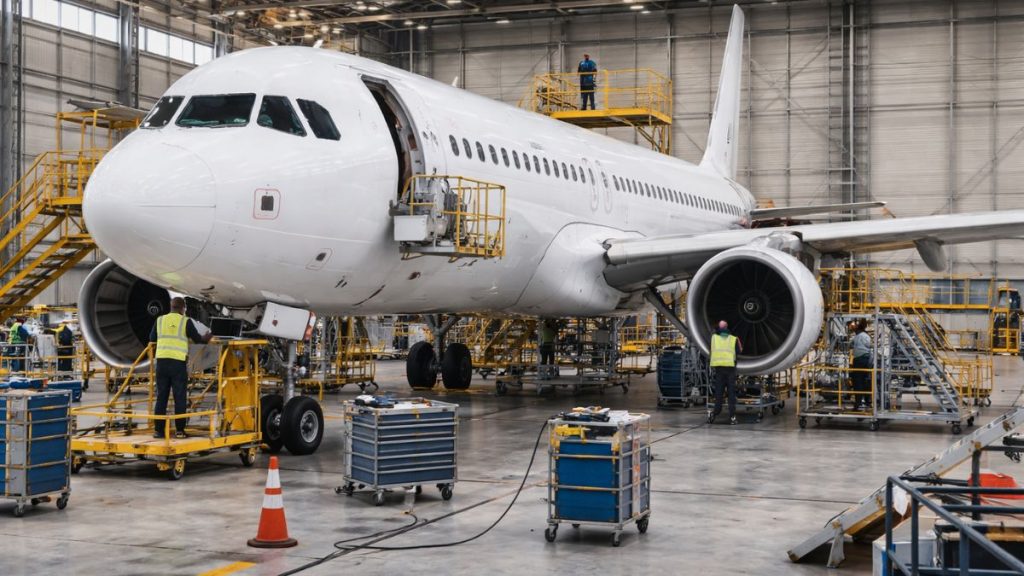
Airlines respond to delivery delays in a simple way. Airlines keep aircraft longer. IATA said airlines now operate older aircraft about two years longer than the long-term average. That choice raises fuel bills, maintenance spending, engine leasing, and spare parts inventory costs. IATA estimated those added costs reached about $11 billion in 2025.
“It’s very frustrating, and when you see this massive additional cost being borne by airlines, you know it really is time for these key suppliers to get their act together and improve this situation,” Willie Walsh told Reuters.
Suppliers say they ramped up, yet demand climbed even faster. Gael Meheust, CEO of CFM International, said his company increased production by 25% in 2025 and expects output to rise by at least 10% every year.
Demand had been “incredible”.
“That’s the paradox in which we are. It’s not that the supply chain cannot deliver on the ramp-up, it’s just that the demand is at a level that we have never imagined.”
Even when a supplier can build a part quickly, upstream delays still slow everything down. ST Engineering said it can produce some engine nacelle components in about six weeks. Total lead times for components and materials can now stretch up to a year, compared with about nine months before the disruptions.
“Some of the shortage is worldwide, so you actually can’t even buy them early if you want,” Lam said.
Material shortages add another layer. Engine manufacturers have faced shortages of critical materials like titanium and nickel tubing. Paul Wingfield, an account manager at Future Metals, said lead times for titanium and nickel tubing now run 50 to 60 weeks. Those lead times still sit far above the pre-pandemic norm of about 20 weeks.
“The mills can’t make enough to catch up because they stopped producing for four years,” Wingfield said. “What happens when everybody ramps up again is there’s a lack of material in the market, so the mills are playing catch-up.”
The disruption also created openings for new suppliers. Shandong Stopart Brake Material said some customers struggled to obtain parts from Western original equipment manufacturers. The company said it doubled international sales last year. Stopart said a set of four brake discs costs 200,000 to 300,000 yuan, which runs close to half the price of similar products.
Source: Reuters
Post Comment