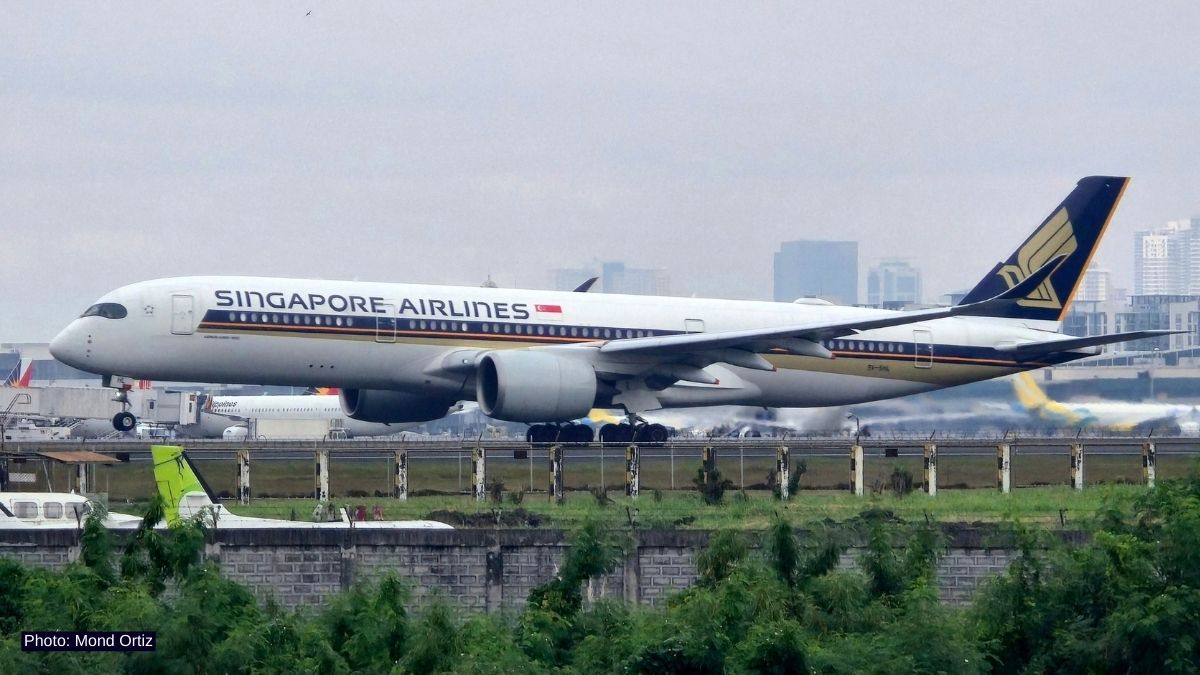
You have probably heard that takeoff and landing are the most dangerous phases of a flight. Well, it’s actually the most critical phases of any flight. this is why all safety regulations are strictly implemented during this face, and you may end up facing authorities if you refuse to follow.
Cruise feels calm because the airplane has altitude and time. Takeoff and landing feel short, yet they demand the most focus from both pilots and cabin crew. The numbers support this. Boeing’s Statistical Summary for commercial jet accidents shows that fatal accidents cluster around the runway. In the 1959–2016 period, final approach accounted for 24% of fatal accidents, and landing accounted for another 24%. Takeoff accounted for 6% and, initial climb accounted for 1%, while cruise accounted for 11% of fatal accidents. Boeing also shows cruise can take about 57% of a typical 1.5-hour flight.
More altitude gives pilots more time. A problem at cruise gives pilots more options to troubleshoot, stabilize the aircraft, and plan a diversion. Takeoff happens with a runway behind you and obstacles ahead. A major issue during the takeoff roll has to be handled in seconds, and the runway length is a hard limit.

This is why airlines use specific takeoff speeds. V1 is the decision speed used to decide whether to stop or continue. VR is the rotation speed, the moment the pilot raises the nose to lift off. V2 is the takeoff safety speed, the speed that gives the aircraft a safe climb margin right after liftoff, even if an engine problem occurs. Those speeds are calculated for the runway length, aircraft weight, temperature, wind, and performance limits that day. Pilots continue after V1 because the remaining runway may not be enough to stop safely.
Configuration and energy change fast
Cruise flight uses a clean, efficient shape, while takeoff and landing use a configuration built for lower speeds and higher control. Flaps and slats extend to increase lift. Landing gear extends and adds drag. Power settings change quickly, from takeoff thrust to climb thrust, then through approach, flare, touchdown, and braking. Each step changes how the aircraft feels and responds.
Speed margins also matter more near the ground. The aircraft cannot trade altitude for speed the way it can at cruise. Landing requires precise energy control so the airplane touches down in the right zone, at the right speed, and stops within the runway length available. Takeoff requires precise control so the airplane accelerates, lifts off, and climbs clear of obstacles with minimal delay.
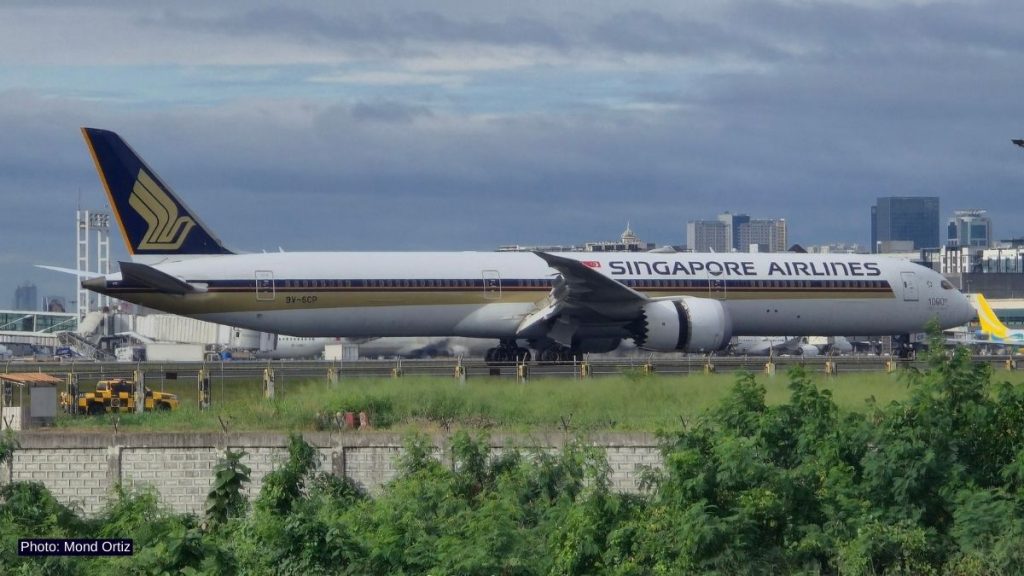
Wind shear can change airspeed quickly at low altitude, where there is little room to recover. Low visibility adds workload, even with instrument guidance. Bird strikes also concentrate around airports, exactly when engines are producing high power and the aircraft is still building climb performance. Runway conditions play a role too. Wet or contaminated surfaces change stopping distance and reduce margins for both a rejected takeoff and a landing rollout.
Crew focus is required, not optional
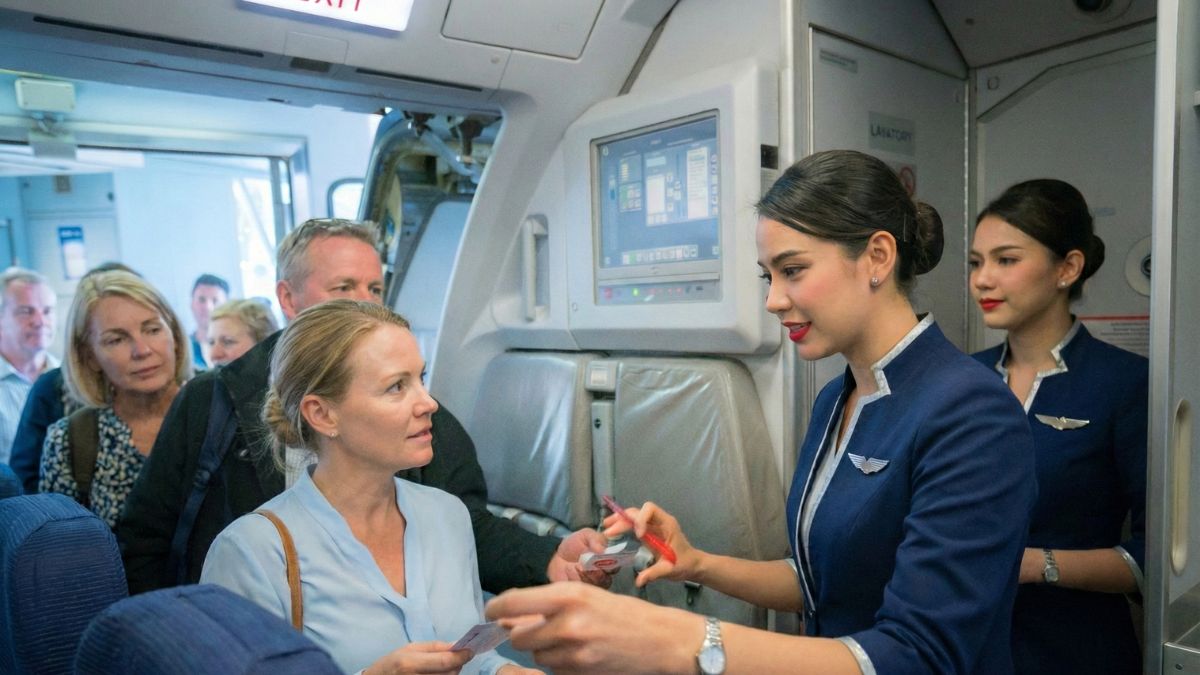
Airline crews treat these phases as “sterile cockpit” time. U.S. rules limit nonessential activities during critical phases of flight, which includes taxi, takeoff, landing, and other operations below 10,000 feet. Cabin crews mirror that focus with their own procedures. Seatbelts, upright seats, stowed trays, and clear aisles reduce injury risk during a sudden stop, hard landing, or rejected takeoff. These steps also keep the cabin ready for a fast evacuation if it becomes necessary.

Pilots sometimes call landings “controlled crashes.” The phrase gets repeated because landing is a controlled transition from flying to rolling, done with strict speed control and precise timing. Takeoff has the same demand for discipline, even if it looks routine from the cabin.
Takeoff and landing are the most critical phases because the aircraft is closest to the ground, the pace of decisions is fastest, and the margin for error is smallest. That is why crews enforce procedures so strictly, even when the sky looks clear.
Post Comment