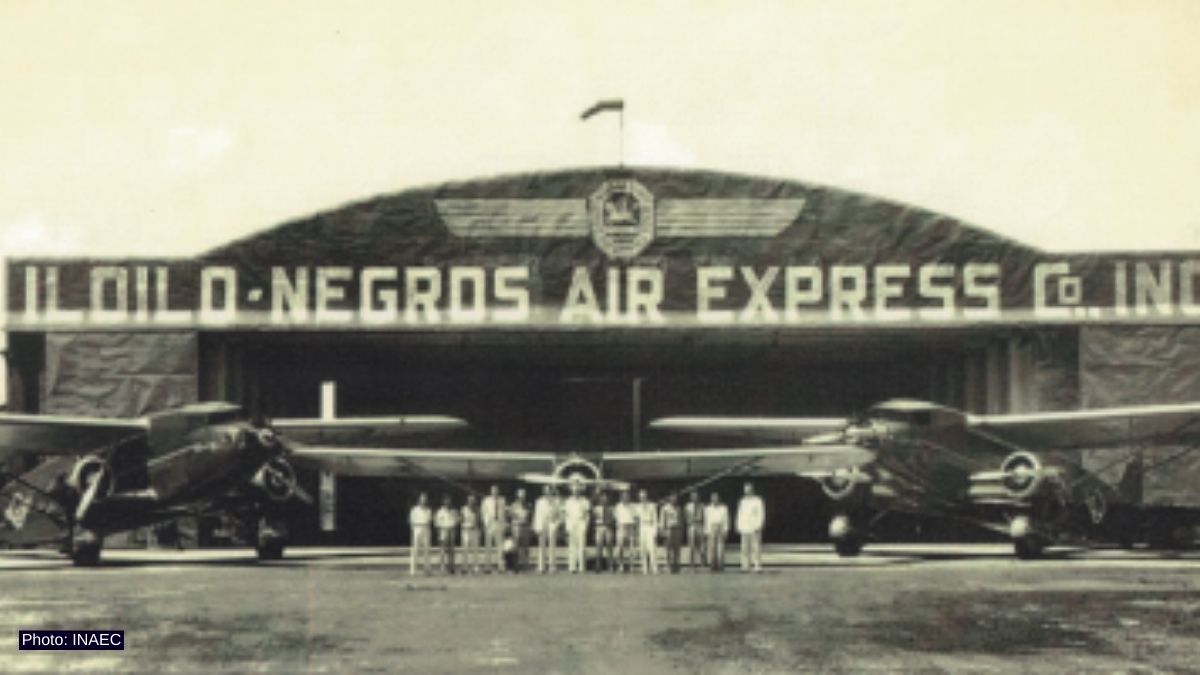
Many people know Philippine Airlines as one of Asia’s oldest carriers because it began operations in 1941. However, the story of commercial aviation in the Philippines goes back even earlier, to the early 1930s, when the country started building regular inter-island passenger flights. This is the story of the first airlines in the Philippines, Philippine Aerial Taxi Company (PATCO) and the Iloilo-Negros Air Express Company, better known as INAEC.
Even in those early years, the government moved to regulate civil aviation. On November 20, 1931, lawmakers passed Act No. 3909, which covered aircraft licensing and inspection, air traffic rules, and the regulation of airline schedules and fares. Both the Civil Aeronautics Board and the Civil Aviation Authority of the Philippines recognize Act 3909 as an important early foundation of the country’s civil aviation system. These rules brought order and structure as more aircraft began flying between the islands.
Business demand played a major role in pushing air routes forward. Trade, mining, and inter-island commerce created the need for faster transport than ships could offer. Iloilo became especially important because it already supported shipping, sugar production, and strong links to Manila and nearby provinces. Airlines serving Iloilo could connect the Visayas to Manila in a way that matched the economic needs of the 1930s. Both people and cargo needed speed, and regular flights could provide it.
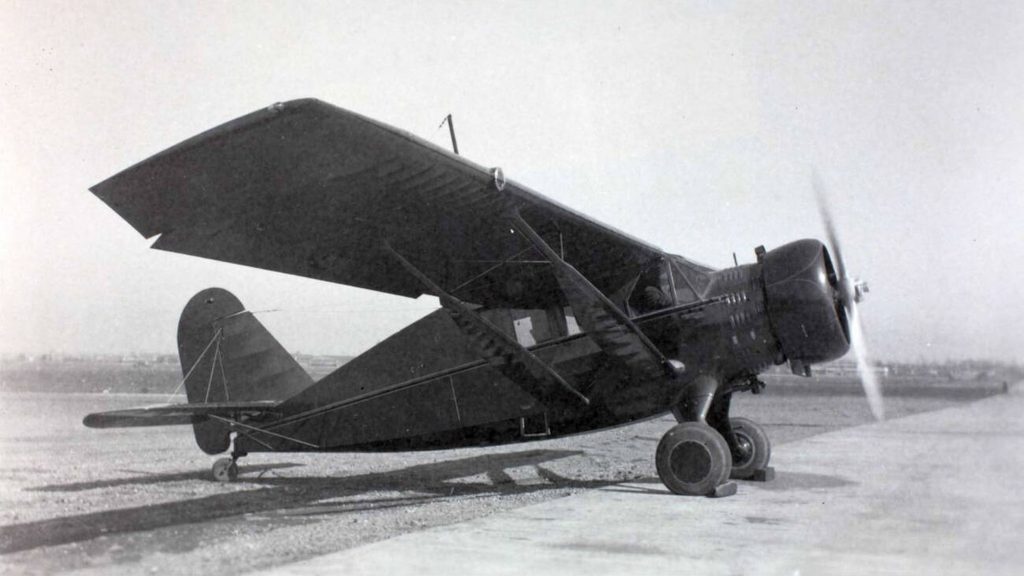
Philippine Aerial Taxi Company (PATCO)
PATCO was organized in December 1930 and operated a Manila–Iloilo round-trip flight on March 18, 1931, using Bellanca Skyrocket monoplanes. Historical records link PATCO’s early survival to the gold boom of 1933, with subsidies connected to Andres Soriano’s mining interests. These ties influenced route choices, including flights linked to gold mining areas such as Paracale in Camarines Norte. PATCO’s network followed economic activity that demanded faster travel than sea routes could provide.
PATCO ceased operations in 1939. Colonel Andres Soriano then acquired its operating franchise and used it to form Philippine Air Lines. PAL launched its first flight on March 15, 1941, flying from Nielson Field in Makati to Baguio. Philippine Airlines, now in its 85th year, is the oldest airline in Asia operating under its original name.
Iloilo-Negros Air Express Company (INAEC)
Iloilo was also the base of another early airline that expanded quickly. Iloilo-Negros Air Express Company began operations in 1932, founded by Eugenio H. Lopez Sr. INAEC’s official history describes it as the first Philippine airline, and Lopez Group records note early Stinson Tri-Motor flights between Iloilo and Manila. These details show Iloilo not just as a stop, but as a true aviation hub feeding routes to Manila and other islands.
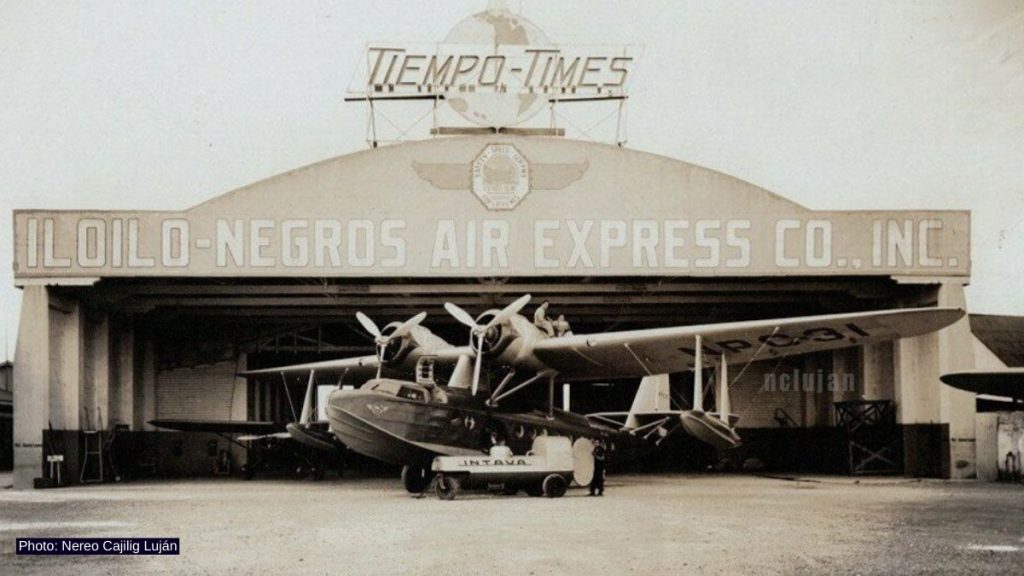
World War II halted operations and destroyed much of the prewar fleet. After the war, INAEC reemerged as Far Eastern Air Transport Inc. (FEATI). FEATI resumed flying with its inaugural postwar flight on November 19, 1945, rebuilt its domestic network, and launched regional services to Hong Kong and Bangkok by May 1946. The company later added longer routes before being sold in 1947 and merged into Philippine Air Lines.
The INAEC name later returned in a new form. According to its official site, INAEC Aviation Corporation was reestablished in 1993, focusing on charter services, aircraft management, maintenance, medical evacuation, fixed-base operations, and training. While its role changed, the name remains part of Philippine aviation history.
Iloilo’s role in this story is significant. In the early 1930s, PATCO connected Manila and Iloilo. INAEC began operations from an Iloilo base in 1932, and PAL followed in 1941, developing routes driven by genuine economic demand. Not only did Iloilo become the cradle of early aviation in the Philippines, but it’s also fascinating to see how these first airlines in the Philippines have shaped commercial aviation in the country into what it is today.
Post Comment