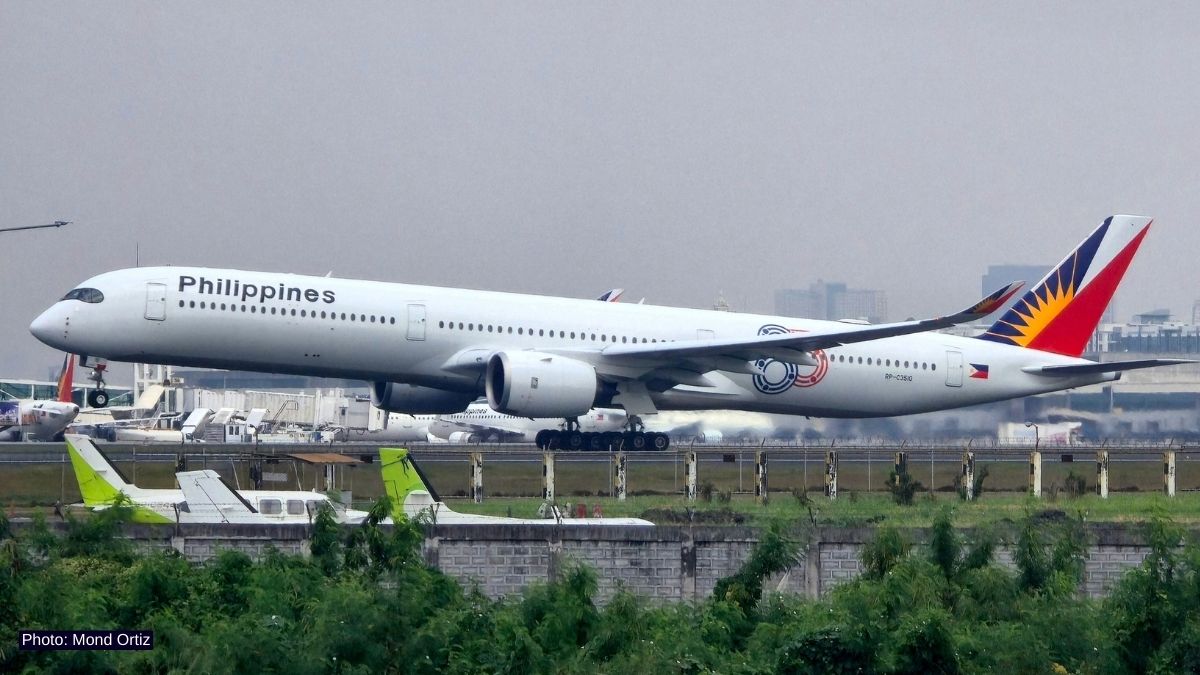
Someone once asked why some pilots proceed with takeoff despite noticing engine trouble during the takeoff roll. The answer typically involves three critical takeoff speeds. Takeoff is not just a single, flexible decision; instead, pilots adhere to specific decision points based on speed, available runway, and aircraft performance. The key concept is straightforward: if a problem arises early in the takeoff, it might be safe to stop. However, if the same problem occurs later, continuing the takeoff might be safer than trying to stop, as the risks of halting may increase significantly.
Pilots use three main takeoff speeds to manage this moment: V1, VR, and V2. These speeds are not random numbers. They come from performance calculations that account for the aircraft’s weight, runway length, outside temperature, airport elevation, wind, runway condition, and obstacles after takeoff. A lightly loaded aircraft on a long runway will use different speeds than a heavy aircraft on a short runway on a hot day. Crews compute these speeds for each departure, then brief them before the takeoff begins.
V1 is the decision speed
V1 is the decision speed. It is the speed where the crew commits to one of two actions. A serious problem that happens before V1 can lead to a rejected takeoff. A serious problem that happens at or after V1 usually means the crew continues the takeoff.
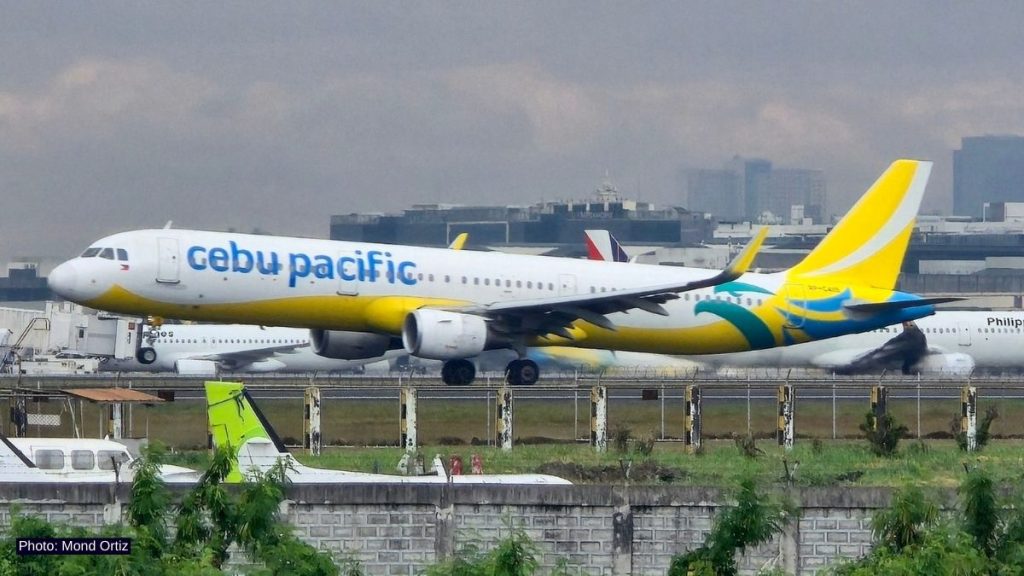
This is not because pilots ignore the problem. It is because runway distance becomes the limiting factor. A rejected takeoff needs enough runway to bring the aircraft to a full stop. Brakes, spoilers, and reverse thrust can slow the aircraft fast, yet physics still rules. Stopping distance grows quickly as speed increases. A late decision to stop can result in an overrun, tire failure, brake overheating, or loss of control at the end of the runway.
Airlines train crews to treat V1 as a firm gate. Pilots also train to reject the takeoff only for specific reasons. These include engine failure, fire warnings, unsafe configuration warnings, and other major malfunctions that make flight unsafe. A minor caution light or a small vibration often does not trigger a rejected takeoff at high speed. Crews follow the checklist logic they train for, since guessing during a high-speed roll creates risk.
VR is the rotation speed
VR is rotation speed. It is the speed where the pilot raises the nose to lift off. Rotation is a controlled maneuver, not a sudden pull. VR ensures the aircraft has enough airflow over the wings to create lift and enough control authority to raise the nose smoothly.
VR also protects the aircraft from poor technique. Rotating too early can lead to a longer takeoff roll or a stall warning close to the ground. Rotating too aggressively can cause a tail strike. Rotating too late uses extra runway and can reduce climb performance after liftoff. VR gives the crew a clear cue to start the liftoff phase at the right time.
Many people assume VR always comes after V1. It often does, yet these speeds can be close together, depending on the aircraft type and the day’s conditions. Crews still treat each speed as its own step. V1 sets the go or stop decision. VR starts the transition to flight.
V2 is the takeoff safety speed
V2 is takeoff safety speed. Pilots target V2 after liftoff, especially in the early climb. V2 gives a safe margin above stall speed and supports climb performance, even if one engine fails on a twin-engine aircraft. This is why V2 matters so much in training and in real procedures. The aircraft must climb, stay controllable, and clear obstacles after takeoff with reduced thrust.
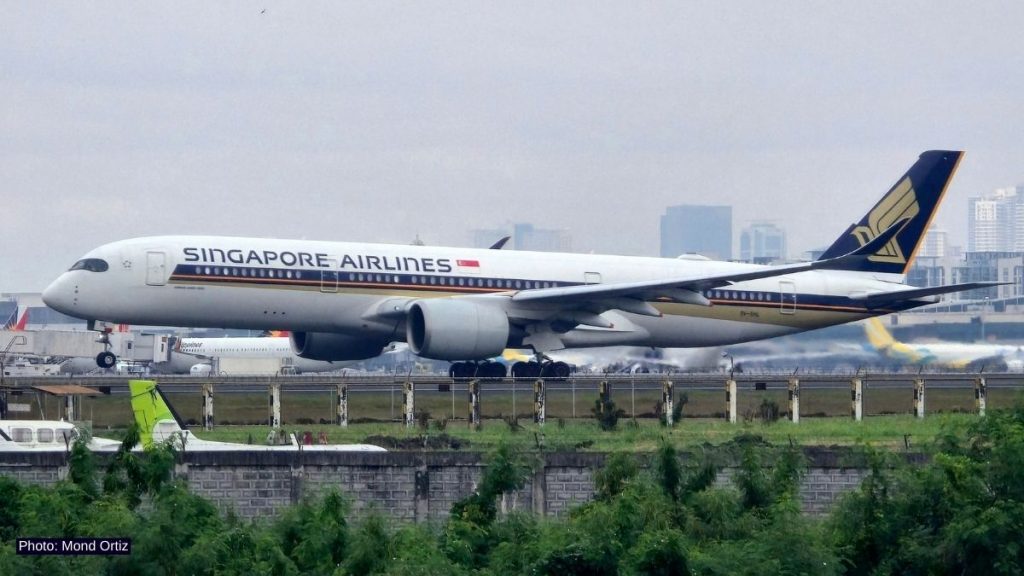
V2 is about performance and safety margins. Flying slower than V2 after an engine failure can reduce climb capability. Flying much faster than V2 can reduce climb angle and make obstacle clearance harder, depending on the situation. Crews follow the aircraft’s takeoff profile and emergency procedures, which are built around these speeds.
Why do some pilots takeoff after trouble?
A serious issue before V1 often leads to a rejected takeoff. The pilot reduces thrust, applies maximum braking, deploys spoilers, and uses reverse thrust if applicable and available. The goal is to stop on the runway.
A serious issue at or after V1 usually leads to a continued takeoff. The pilots accelerates to VR, rotates, and lifts off. The pilot then flies the target climb speed, often V2, retracts the landing gear, and follows the engine failure or malfunction procedure. The crew returns to the departure airport or diverts, depending on the problem and the aircraft’s status.
A rejected takeoff after V1 can create a worse outcome than continuing. Runway remaining may not be enough to stop. The aircraft can overrun the runway and suffer major damage. Pilots follow the go decision because it often gives the safest path once the aircraft reaches that point.
Post Comment