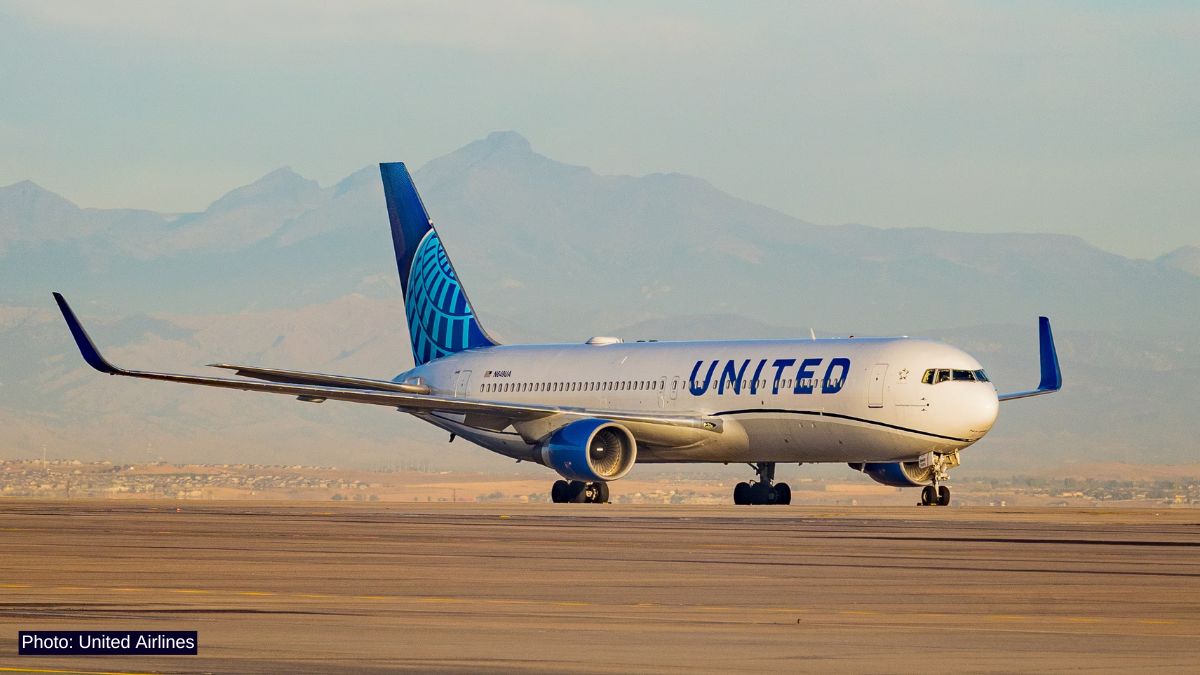
Jet fuel prices are climbing fast, and United Airlines says the increase will hurt its first-quarter performance even though people are still booking trips. CEO Scott Kirby said he expects a “meaningful” impact on United’s first-quarter results as fuel costs rise after the war in Iran became more intense.
Kirby also said the impact may extend beyond March. He said a longer conflict could affect the second quarter as well. That point matters because airlines build plans around quarters, and fuel is one of their largest costs.
Jet fuel has risen sharply in a short time, and airlines are reacting right away. Reports said jet fuel prices rose about 15% in a week as the conflict caused disruption, including more than 20,000 flight cancellations and thousands of stranded passengers. Airline stocks also fell that Friday, with United down about 4.5% and other major U.S. carriers declining too. This shows how quickly higher fuel prices can change expectations, even when demand for travel stays strong.
Higher fuel bills arrive before fares can catch up
Airlines usually cannot raise ticket prices fast enough to match a sudden jump in fuel. Many seats for the current quarter were sold weeks or months earlier, with fares set before the latest rise in fuel costs. That means airlines often pay the higher fuel bill first, then try to recover later as new ticket prices enter the market.
This timing problem is one reason fuel increases can affect results quickly. The airline can have strong bookings and still see weaker profit if fuel rises faster than revenue. Fuel cost changes show up immediately in operating expenses. Ticket prices change more slowly because many tickets are already sold.
Fuel hedging is one way to reduce exposure to fuel price swings. Hedging means using contracts that lock in fuel prices or provide protection if prices rise. This can help when fuel jumps suddenly. Hedging can also create losses when fuel prices fall, because the airline may end up paying more than the market price.
Most U.S. airlines reduced or stopped hedging over the past two decades. United’s comments highlight what can happen when fuel rises fast and the airline is mostly unhedged. The airline faces the full increase in fuel costs until it can adjust pricing and capacity.
United has shared a number that shows how sensitive its fuel bill can be. An SEC filing says a $1 change in the price of a barrel of aircraft fuel would change United’s projected 2026 fuel expense by about $116 million. That figure helps explain why airlines treat fuel as a major risk. Small price changes can become large cost changes across a full year of flying.
Analysts have started to adjust their estimates based on current jet fuel prices. TD Cowen estimates United’s first-quarter adjusted profit per share could land between 5 cents and 22 cents under current fuel conditions. That is far below United’s January forecast of $1 to $1.50 per share.
“Adjusted profit per share” is a way analysts describe earnings after removing certain items they consider unusual or one-time. The key point is that the estimate dropped because fuel rose. Fuel can change earnings quickly, and the difference between forecasts and newer estimates can be large when prices move fast.
Jet fuel prices are rising faster than crude in some markets
Price pressure is not only about crude oil. Jet fuel itself is getting more expensive, and supply conditions can cause jet fuel to rise faster than crude. One global monitor showed the average jet fuel price rose 3.6% week over week to $99.40 per barrel.
U.S. prices show a similar pattern. The Argus U.S. Jet Fuel Index reached $3.88 per gallon on March 6, 2026, reflecting fast increases across major hubs.
A detail behind these moves is the “jet crack,” which is the price gap between jet fuel and crude oil. A higher jet crack often suggests jet fuel supply is tighter relative to crude, because buyers are paying more for jet fuel specifically. S&P Global Commodity Insights reported that the European physical jet crack exceeded $100 per barrel on March 5, reaching $102.
This matters for airlines because they buy jet fuel, not crude oil. Jet fuel can rise even when crude moves less, and that can increase airline costs faster than some people expect.
United says travel demand is still there, and people are still booking trips. The main issue is cost timing. Fuel increases arrive immediately. Ticket pricing adjusts more slowly. That gap can reduce profit in the near term, especially in the first quarter, and possibly into the second quarter if fuel stays high.
Attribution: Reuters
Post Comment