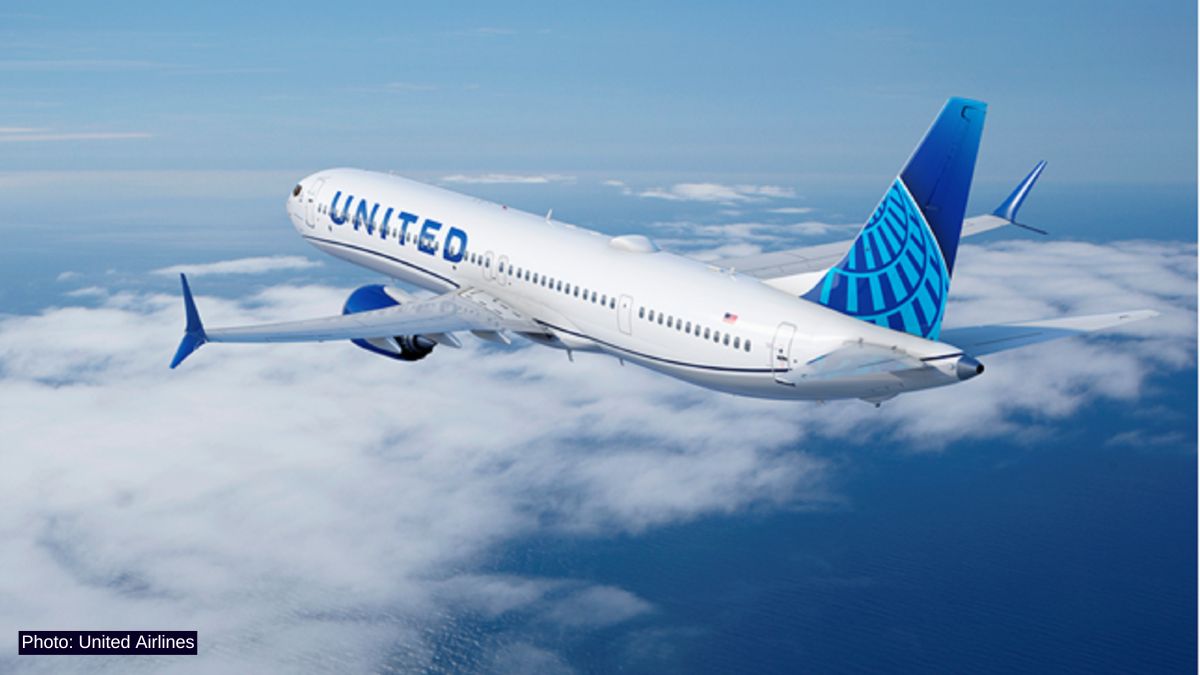
United Airlines is cutting more unprofitable flying over the next two quarters as it prepares for a long stretch of high fuel prices tied to the war in Iran. The airline says strong travel demand is still helping the business, but rising jet fuel costs are now forcing deeper schedule cuts on flights that do not make enough money, especially during weaker travel periods.
In a staff memo, CEO Scott Kirby said United is planning for oil to rise as high as $175 a barrel and stay above $100 through the end of 2027. He told employees that if fuel stays at those levels, the airline’s annual fuel bill could rise by about $11 billion, which is more than twice the profit United made in its best year. Kirby also wrote, “There’s a good chance it won’t be that bad,” and added that there is still little downside to preparing for that outcome now.
Off-peak flights are taking the biggest hit
United had already started trimming less profitable service, including some midweek, Saturday, and overnight flights. The new plan goes further. The airline will remove about three percentage points of off-peak flying in the second and third quarters, focusing on routes and times with weaker demand. It will also cut about one percentage point of capacity from Chicago O’Hare and keep flights to Tel Aviv and Dubai suspended. Altogether, that brings the total reduction to about five percentage points of this year’s planned capacity. Kirby said United currently expects to restore its full schedule in the fall.
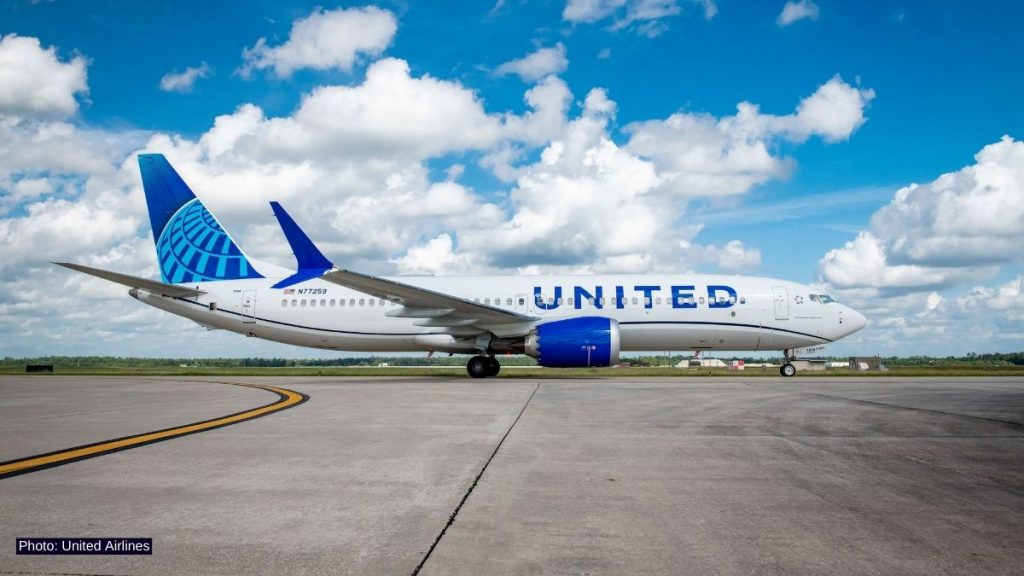
Even with those cuts, demand has not collapsed. U.S. airlines have been able to push through fare increases because people are still booking trips, and tighter capacity is helping support those higher fares. United has said the first 10 weeks of the year were the strongest booking weeks in its history. Reuters also reported that fares booked over the past week rose 15% to 20%, while AP said major U.S. carriers continue to see strong demand across corporate, international, and leisure travel.
United says its bigger growth plan stays in place
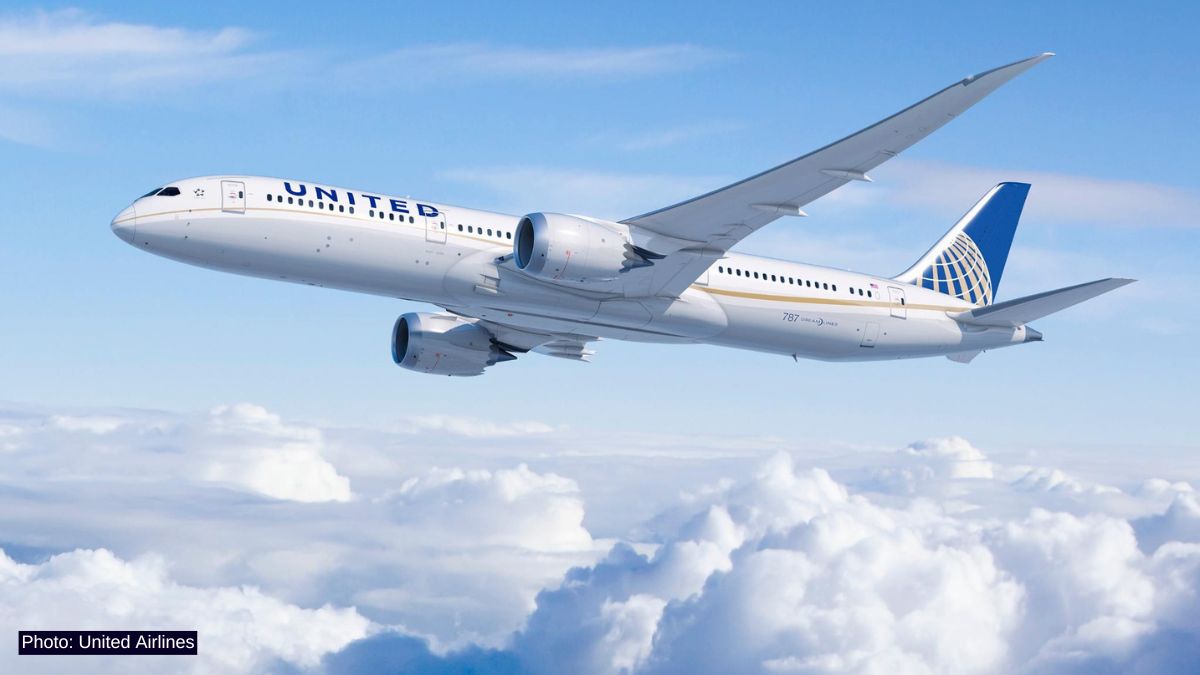
Kirby also made it clear that United is not stepping away from its longer-term growth plan. The airline still expects to take delivery of about 120 new aircraft this year, including 20 Boeing 787s, with another 130 aircraft due by April 2028. He said United will not respond the way airlines often did in past downturns by furloughing staff or delaying future investments. That part matters because it shows United sees the fuel shock as a serious near-term problem, but not a reason to back away from its wider fleet and network plans.
For now, the airline is choosing to protect profitability instead of keeping every route in the schedule. That approach reflects the current reality for U.S. carriers. Most no longer hedge fuel costs, so when oil and jet fuel rise this fast, airlines either raise fares, cut weaker flights, or do both. United is now doing exactly that while betting that strong demand will continue to support the parts of the network that still perform well.
Attribution: Reuters
Post Comment