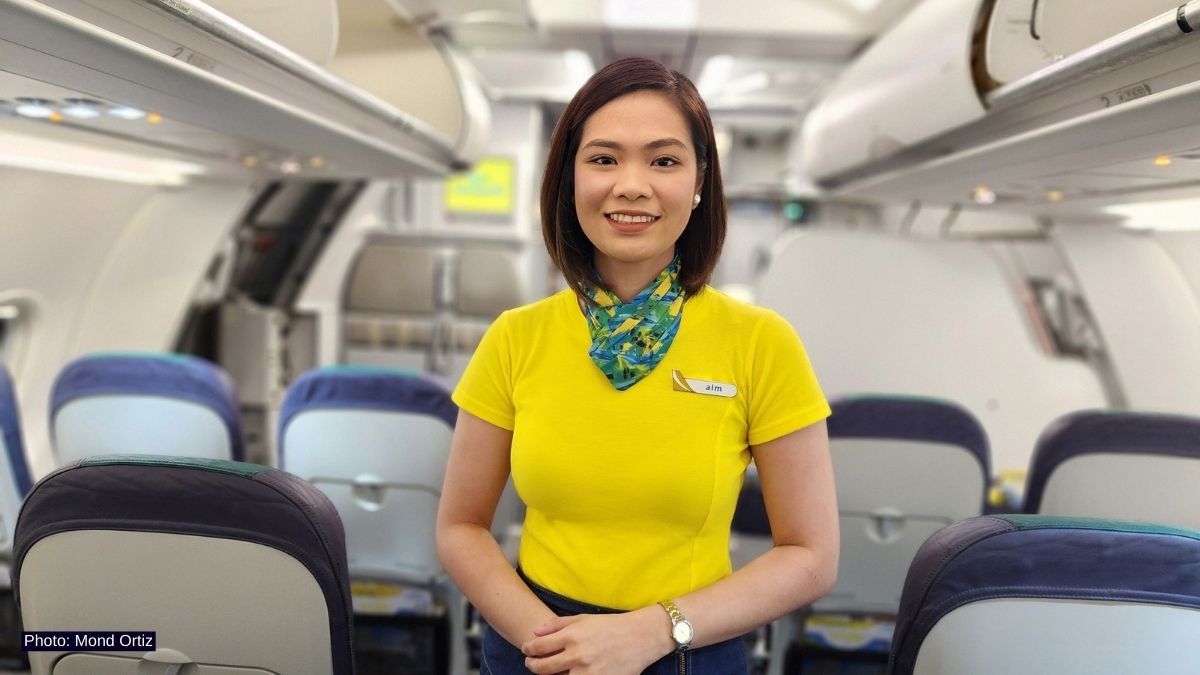
“Why do you want to become a flight attendant?” is one of the most common questions in a cabin crew recruitment event. It sounds simple, yet it often decides who moves to the next round. Recruiters ask it to check one thing first: do you understand what the job really is, and do you want it for the right reasons.
It is not for me to tell you how to answer it, but clear information about the job helps you decide if you truly want the role. A solid answer comes naturally once you accept what the work actually demands.
Safety and security come first
A flight attendant’s primary duty is safety and security. Service matters, yet safety stays on top. Cabin crew train for evacuations after an emergency landing on terrain or water, or after an accident on the runway. Transport aircraft certification is built around evacuation speed, including a full evacuation within 90 seconds under test conditions with only half the exits usable. This is why crew members sound strict during safety checks and why they get very firm during takeoff and landing.
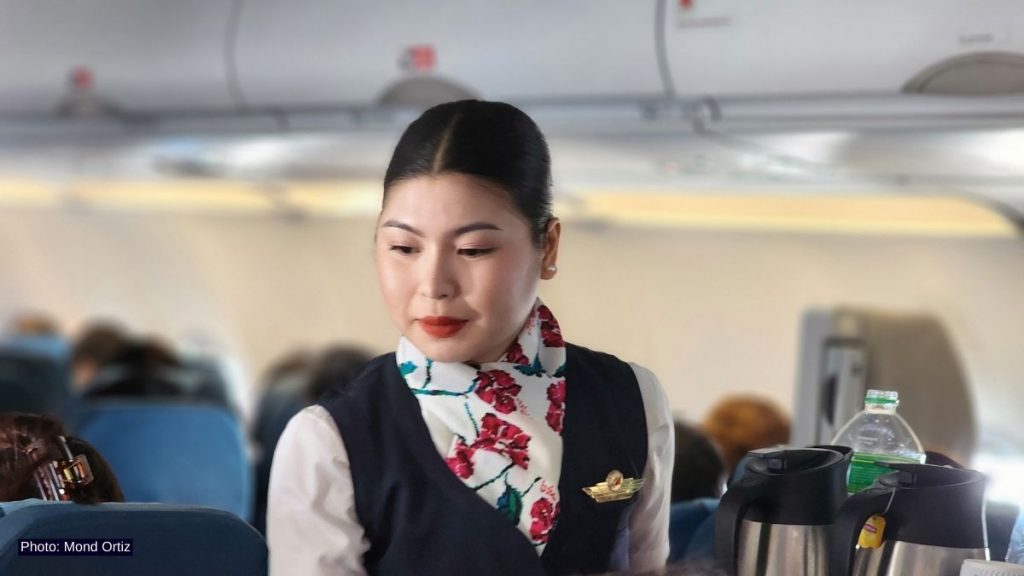
Fire and smoke response is another major part of the job. Smoke can spread fast in a closed cabin. The crew has to locate the source, use onboard firefighting equipment, protect passengers from smoke exposure, and coordinate with the flight deck while keeping the cabin controlled. A small fire from a device, a galley issue, or an unknown smell still demands a disciplined response because time matters.
Medical emergencies are common in airline operations. Flight attendants receive emergency training that includes first aid and medical response duties. Aircraft carry required medical equipment, and flight attendants train to use what is on board so they can assist a sick passenger until professional medical care is available. Many flights also involve coordination with pilots and ground medical support, especially when a diversion might be needed.
Security is part of the job too. Modern airliners have a reinforced flightdeck door designed to be locked so passengers cannot open it without the pilot’s permission. Cabin crew support that layer of security by controlling the cabin, watching for threats, and moving quickly when a situation shows signs of escalation. Hijacking threats are rare today, yet procedures still assume the flight deck must be protected. Cabin crew often become the first line of defense in the cabin because they are closest to passengers and they see behavior changes first.
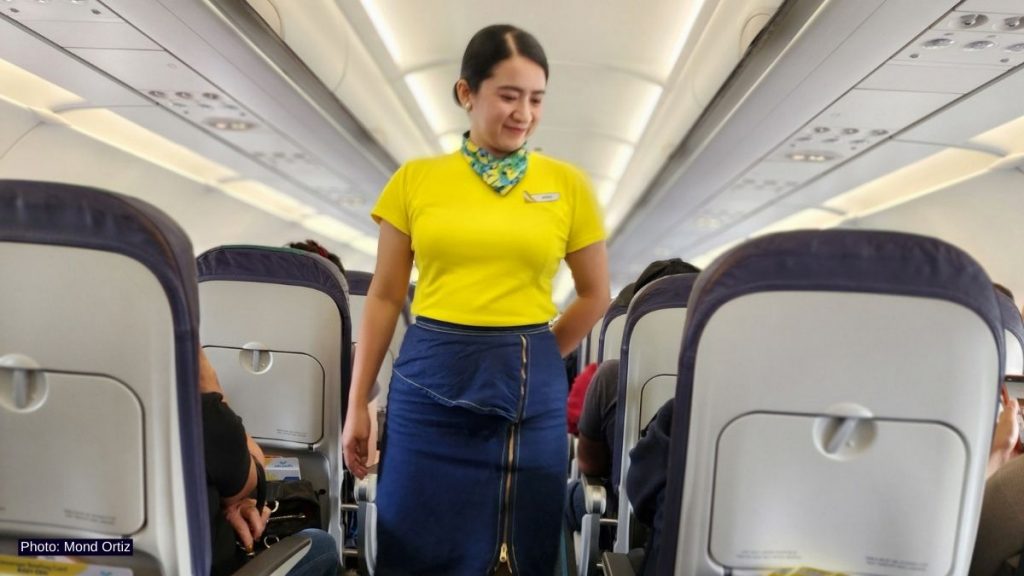
Some situations reach the point where restraint is needed. An unruly passenger can become a safety risk in seconds, especially during taxi, takeoff, approach, and landing. International aviation rules recognize that reasonable measures, including restraint, may be necessary to protect the aircraft, protect people, and maintain good order onboard.
Cabin responsibility after the doors close
Everything that happens in the cabin after the doors close falls under the cabin crew’s responsibility. Cabin crew manage compliance with seatbelts, bags, exits, and cabin readiness because these details affect injury risk during turbulence, a rejected takeoff, or a hard landing. Cabin crew also respond to problems that develop without warning, such as smoke smells, overheating devices, fainting, and conflicts between passengers.
Evacuation shows the job clearly. Flight attendants give commands, open usable exits, deploy slides or rafts, and keep people moving away from danger. Procedures include checking that no passenger is left behind, including passengers who may be injured or pinned down. Cabin crew are trained to keep directing until the cabin is clear, then leave once their area is confirmed empty.
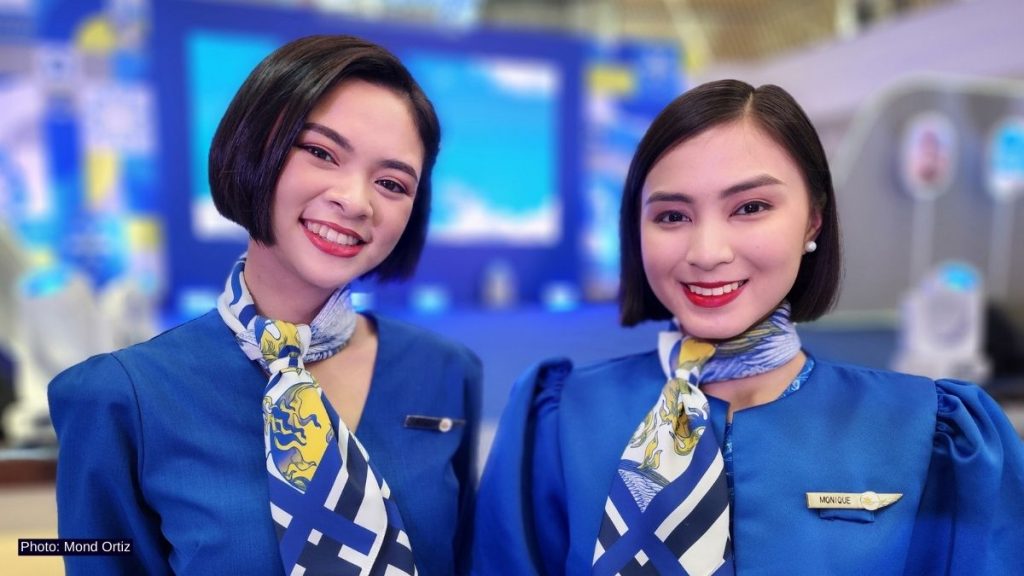
Cabin crew take authority seriously for a reason. The cabin is not a place where everyone can do anything they want. Order supports safety, and the cabin crew is responsible for keeping that order.
What the job is not
The job is not traveling the world for free. Travel benefits exist, yet they are only a benefit. The job is not glamorous when you are handling an emergency, managing an unruly passenger, or dealing with disruptions and delays. The job is not about looking good on social media. That is the job of an influencer, not cabin crew.
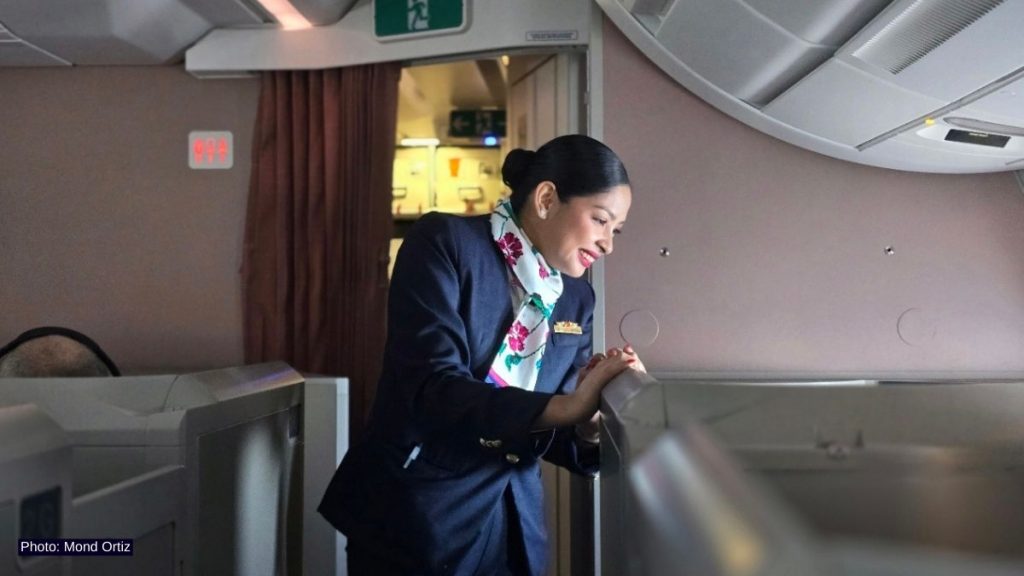
Uniforms look good, yet they carry real responsibility. A flight attendant is responsible for lives inside the cabin. One mistake during an emergency can lead to injuries or worse. This is not meant to scare you. This is the truth that helps you decide if the job fits you.
So why do you want to become a flight attendant? A good answer is honest and clear. Recruiters can tell when an applicant is focused only on perks. Recruiters also notice when you respect the safety-first nature of the role. Integrity matters a lot in aviation, so do not cover up your motivations. Be transparent and be real. Do not memorize your answers.
Knowing and accepting what the job demands will help you answer “Why do you want to become a flight attendant?” in a way that matches the role.

Post Comment