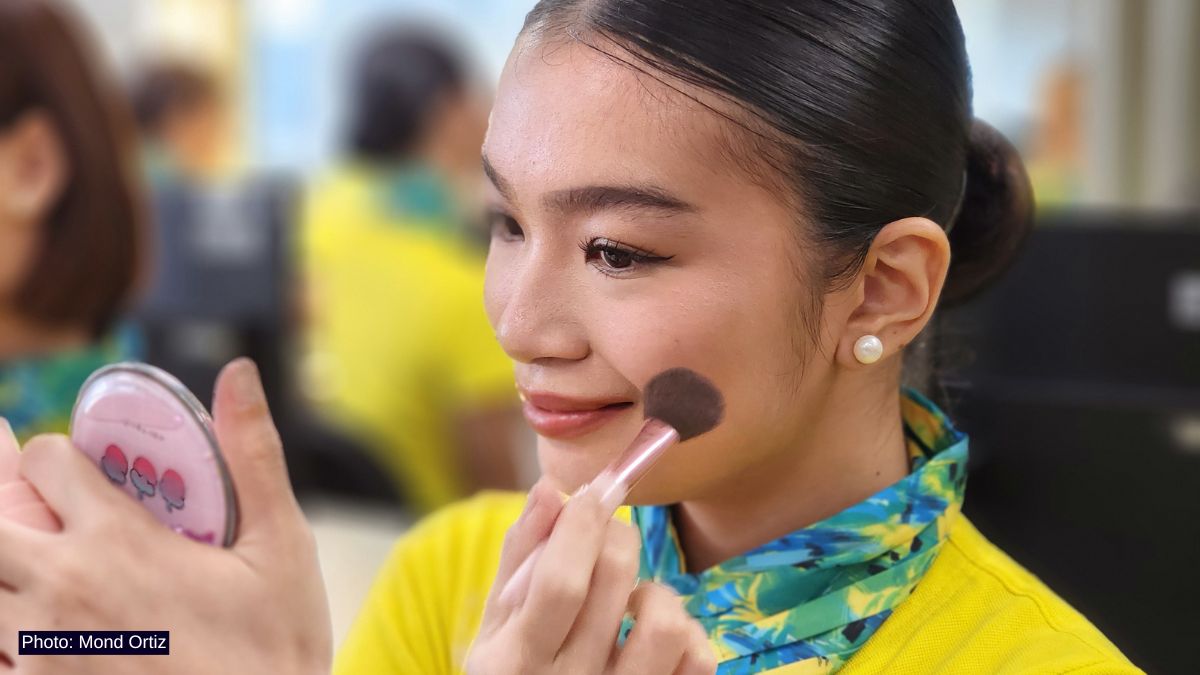
Many people ask me why flight attendants always look good. Some also ask if you have to be good looking to become a flight attendant. I do not agree with the idea that airlines hire based on one “pretty” standard. Being pretty or handsome is subjective. What I see airlines enforce more consistently is grooming standards. An applicant can look attractive, yet poor grooming habits and failure to meet grooming standards can still stop that applicant from moving forward.
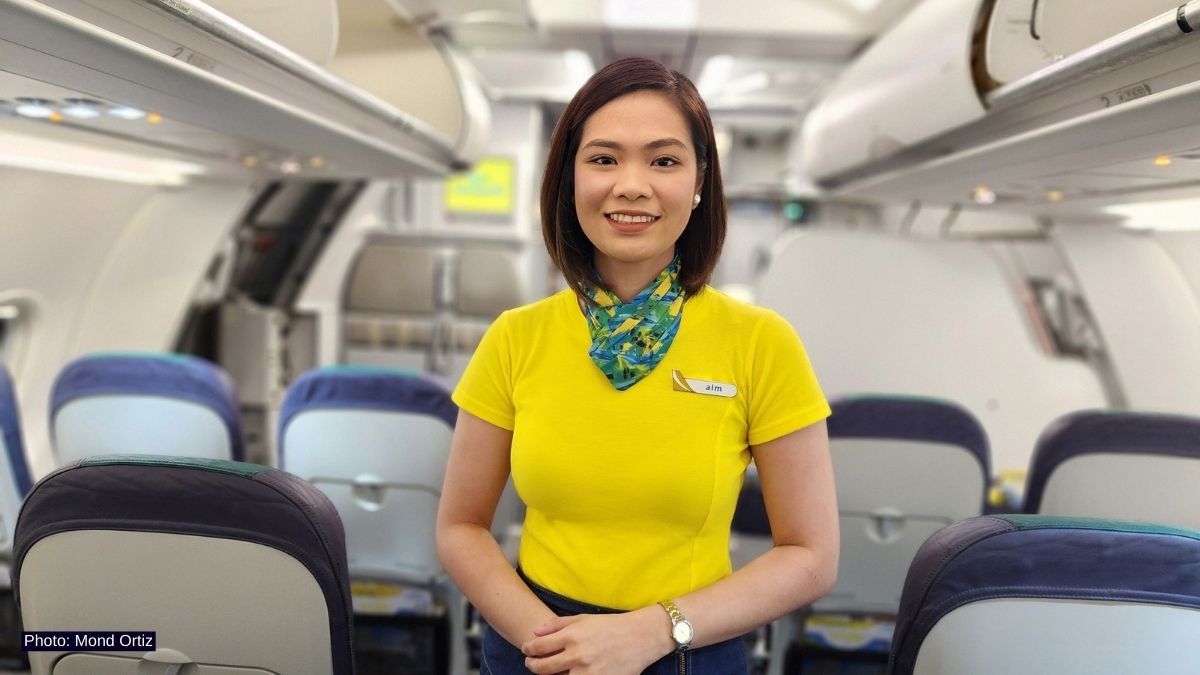
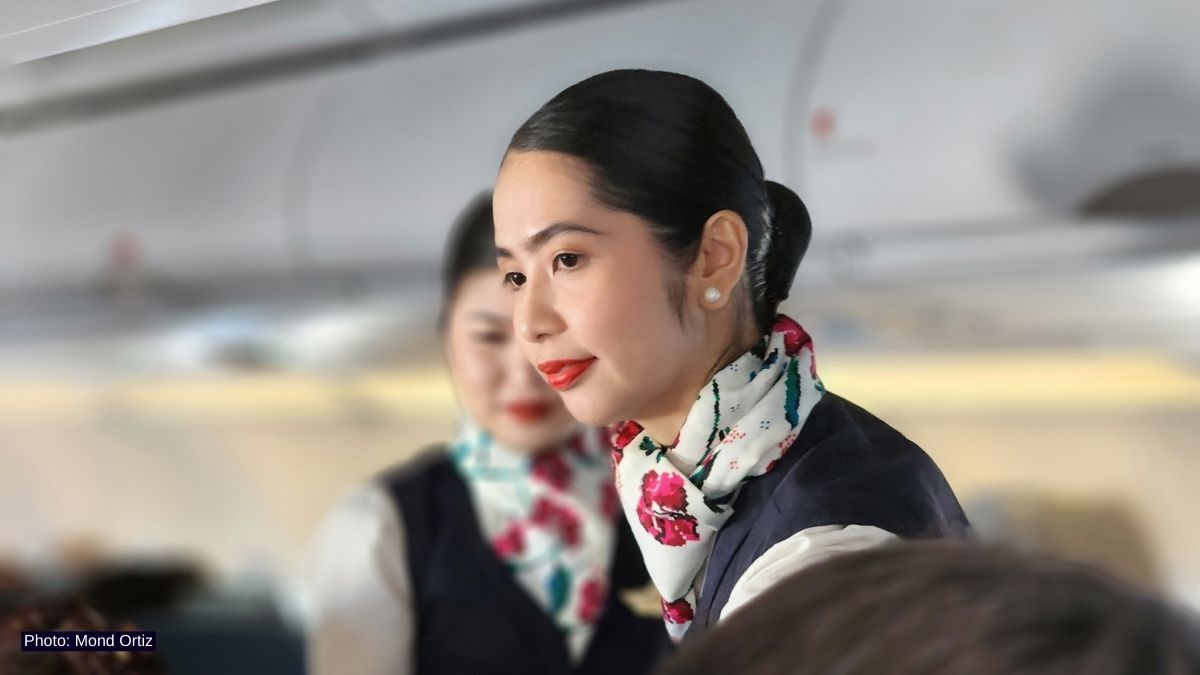
I see grooming standards as practical, not shallow. Flight attendants are the most visible airline staff during the journey. Passengers see them from boarding until they leave the aircraft. Uniform fit, neat hair, clean makeup, tidy nails, and overall cleanliness create a first impression fast. Passengers may not understand aircraft systems, yet they notice professionalism right away. A well-groomed crew member signals discipline, attention to detail, and readiness to do the job properly.
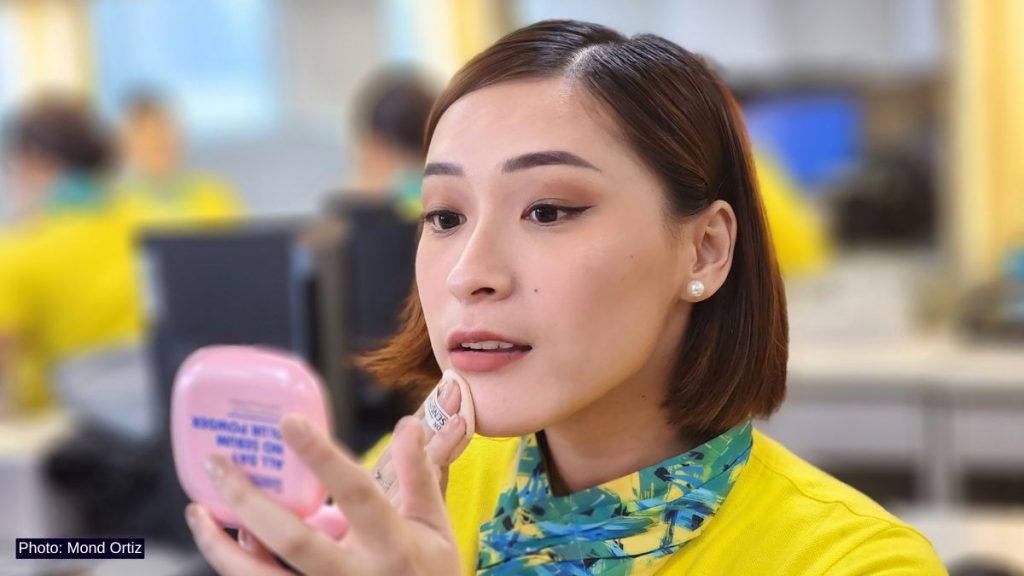
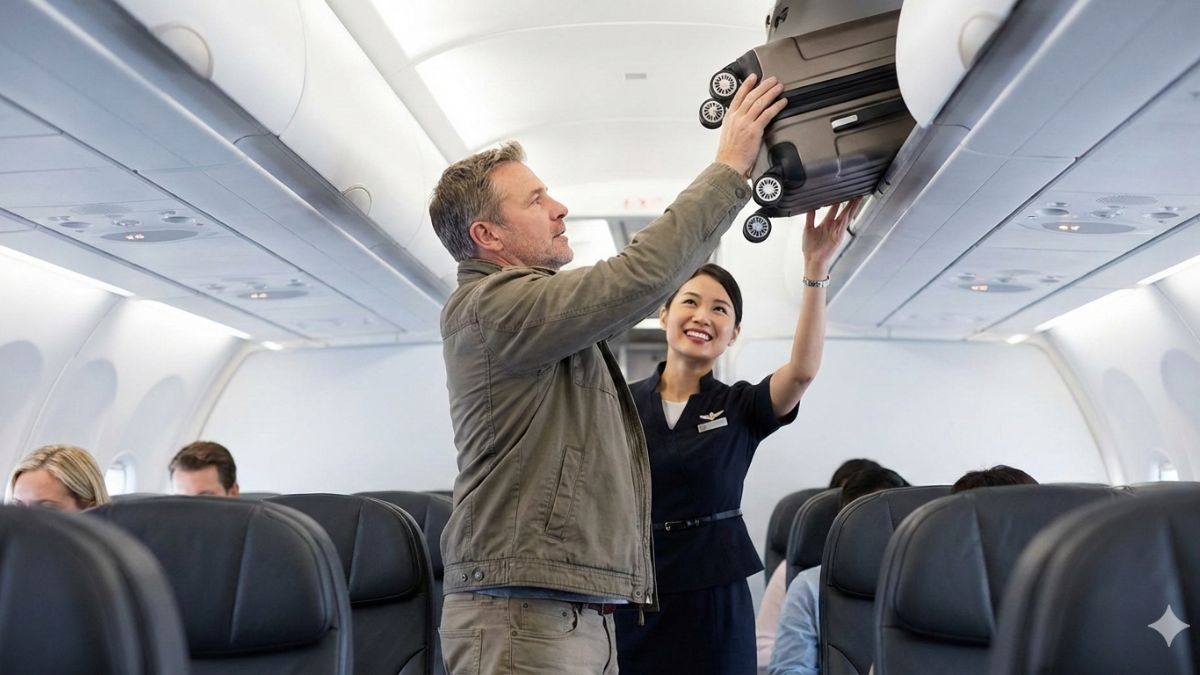
I also notice how grooming supports authority in the cabin. Flight attendants enforce safety rules, correct behavior when needed, and give instructions that passengers must follow. Passengers usually comply more easily when the crew member looks polished and composed. This becomes more important during takeoff and landing, when cabin readiness reduces injury risk, and during delays or disruptions, when passengers can become impatient or upset.
Grooming standards an safety
Safety is another reason grooming is taken seriously. A flight attendant’s main duty is safety and security, not only service. Crew members train to communicate clearly and respond quickly during emergencies. A professional appearance helps establish trust early in the flight. Passengers often listen more when the person speaking looks prepared and in control. That trust can matter during a medical situation, smoke or fire response, or a case involving an unruly passenger.
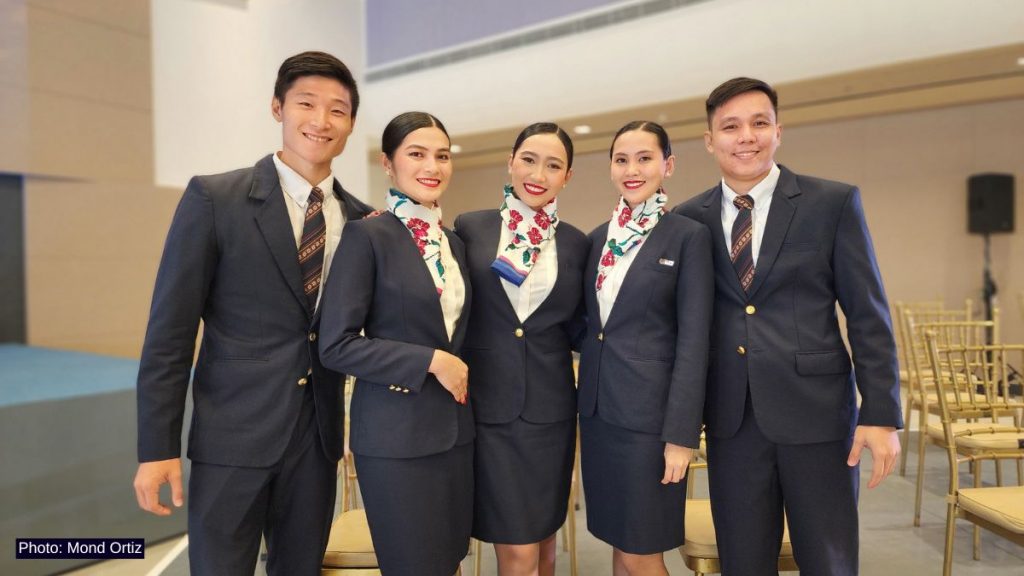
Consistency is another part of it. Airlines want passengers to see the same level of professionalism on every flight, whether it is domestic or international. A consistent look supports brand identity and reduces confusion, since passengers can identify crew members quickly when they need help. This is also why airlines set clear grooming rules and apply them across the whole crew.
Grooming standards are also a visible test of discipline. Airlines need crew members who can follow procedures every day, not only during training. Grooming rules are easy to check, so recruiters use them to assess whether an applicant can follow detailed standards. Cabin work involves many rules, checks, and steps that must be followed the same way each time, especially for safety.
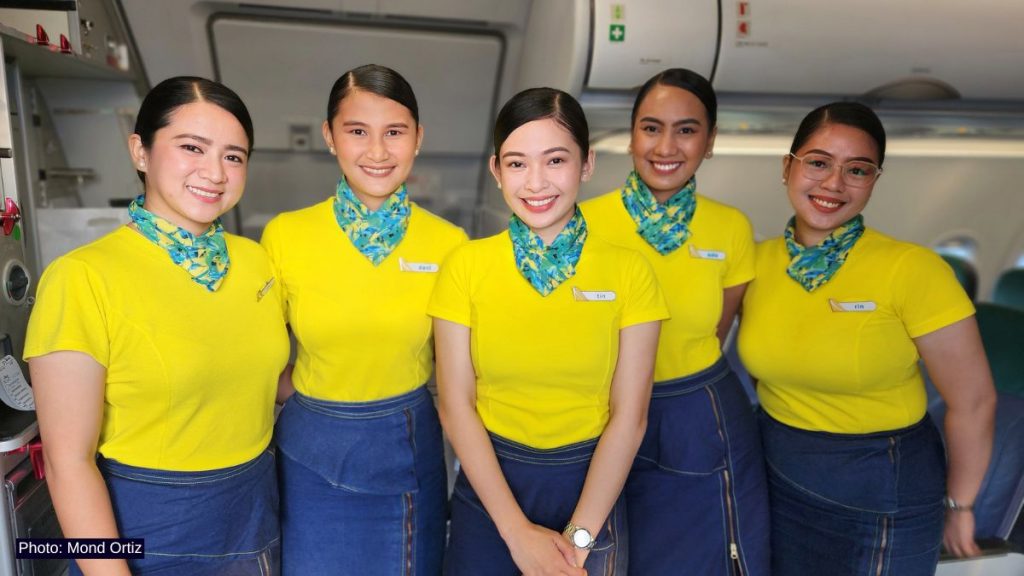
I also understand the personal side of grooming. Flight attendants work long hours, handle irregular schedules, and deal with stress that passengers may not notice. A grooming routine can help a crew member feel organized before duty and feel mentally ready. Confidence often improves communication, and clear communication helps in service and becomes even more important in safety situations.
Team standards are another reason airlines enforce grooming rules. Cabin crew work as a unit, and passengers often judge the whole crew based on what they see. One crew member who looks careless can affect how passengers view the entire team. Airlines prevent that by setting clear grooming rules and enforcing them. This is about professional standards, not vanity.
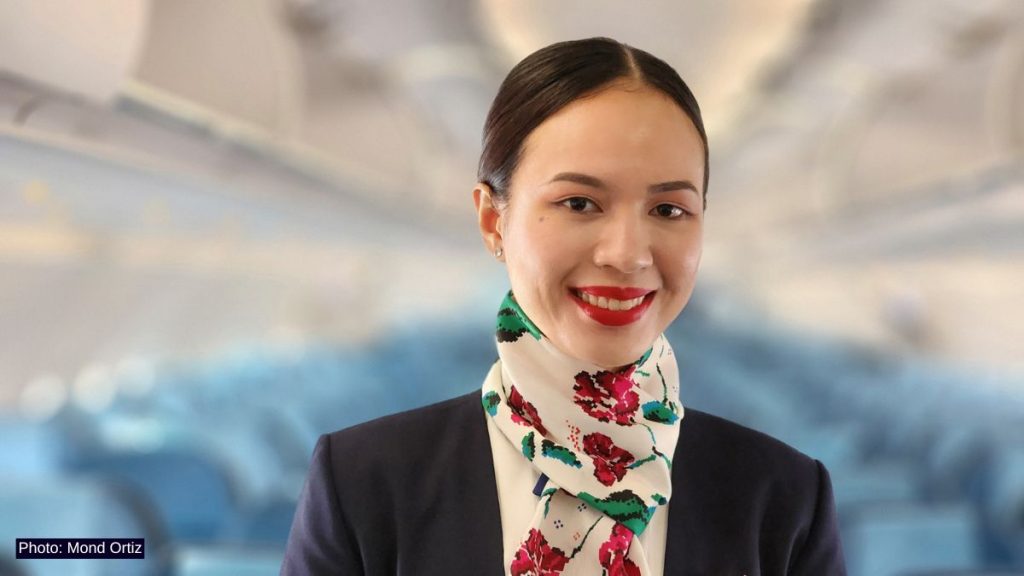
So when people tell me you need to be pretty to become a flight attendant, I disagree with the idea behind it. Airlines want a professional look, not a social media look. Grooming is one of the clearest signs that an applicant can follow standards, represent the brand properly, and present themselves in a way that supports authority and passenger trust.
Post Comment