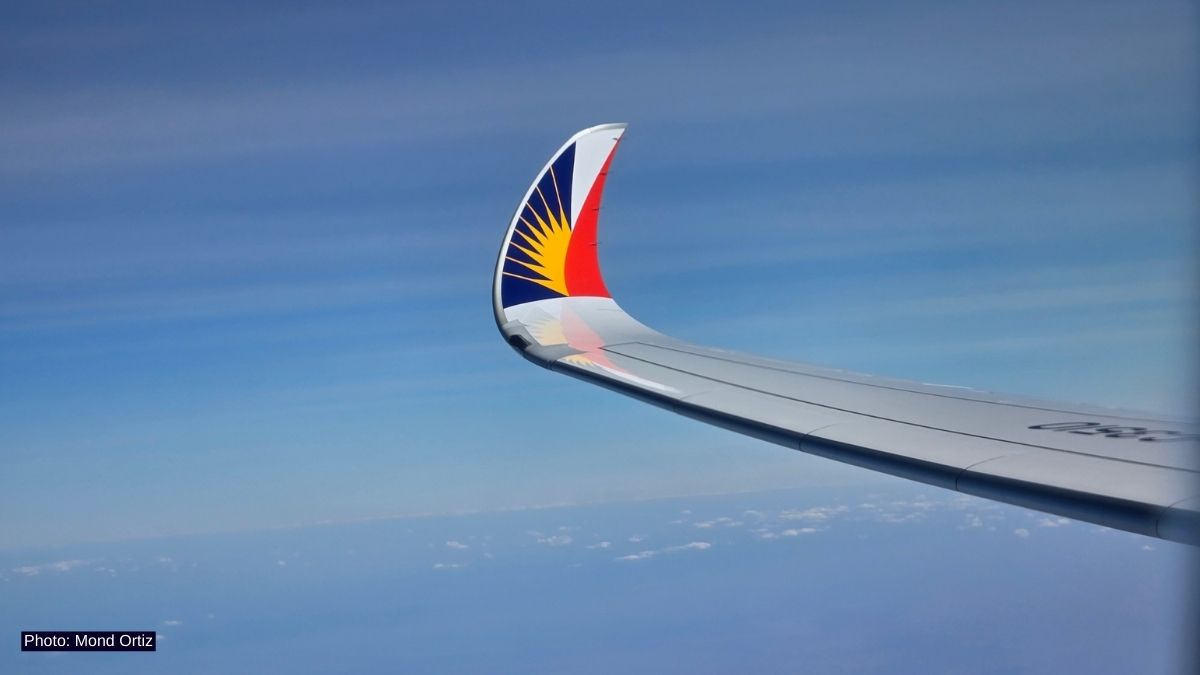
The structure or shape that resembles a tail at the edge of the wing or wingtip is called a “winglet.” Some people may think that winglets are primarily for aesthetic purposes and that their shapes are designed based on what looks good on the aircraft. However, that is not the case. Winglets are purpose-built features specifically designed to serve a function, and that function is fuel efficiency.
In essence, a winglet is a wingtip device, which means it is an addition made at the very end of a wing. Its main role is to reduce induced drag. Induced drag is the extra drag that a wing generates simply because it is producing lift.
Wingtip vortices create that drag. Air under the wing sits at higher pressure than the air above the wing. That pressure difference makes air curl around the wingtip. The flow rolls into a spinning trail behind the aircraft. That spinning trail is a vortex. The vortex changes the direction of the lift force slightly rearward, so the airplane needs more thrust to hold the same speed.
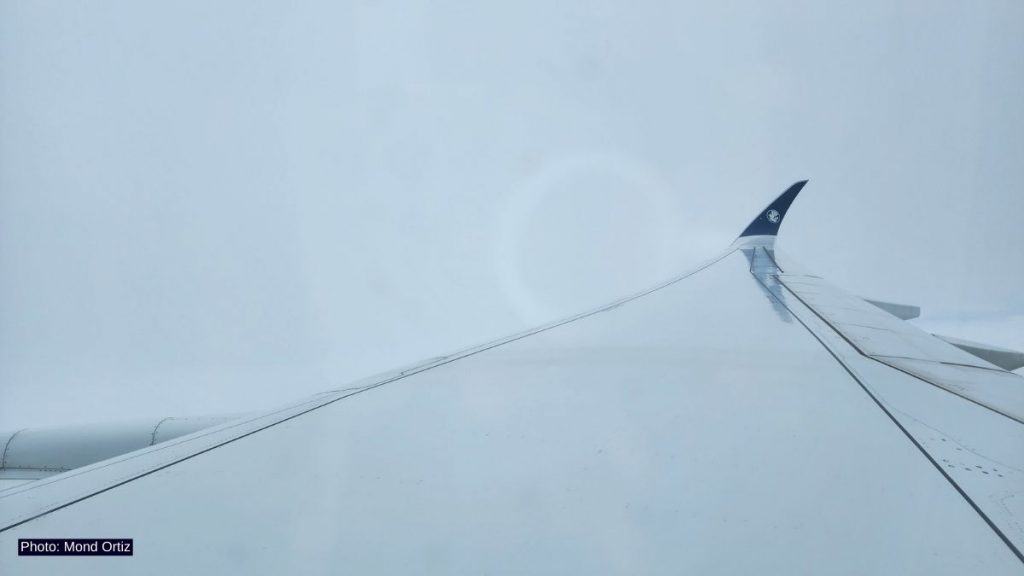
A winglet weakens the vortex by reducing the amount of air that spills around the tip. A weaker vortex means less induced drag. Less induced drag usually means less fuel burn, plus better climb and range margins on certain flights. Airlines care about small percentage gains because they add up across thousands of sectors.
Different shapes and sizes
Canted winglets stand up and angle outward. This is the classic look most people picture when they hear the word winglet. The Boeing 747-400 uses this style, and older Airbus widebodies like the A330 and A340 also have an upturned, canted winglet look.
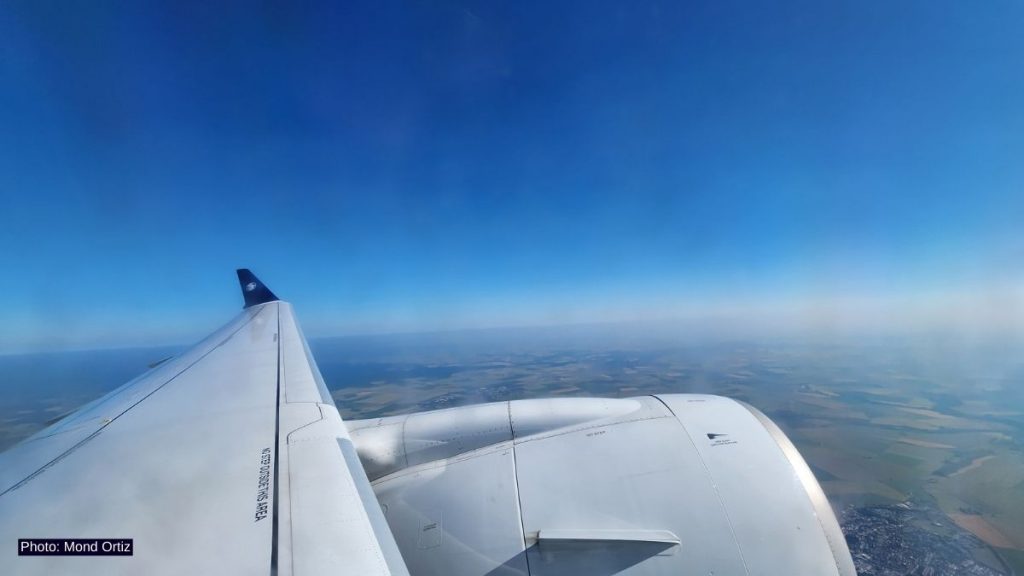
Blended winglets curve smoothly from the wing into the winglet. The smooth blend helps airflow stay cleaner at the junction. Many Boeing 737 Next Generation aircraft fly with blended winglets, and some later aircraft use a split design. The Split Scimitar winglet adds a small downward tip surface below the main winglet to improve the overall effect.
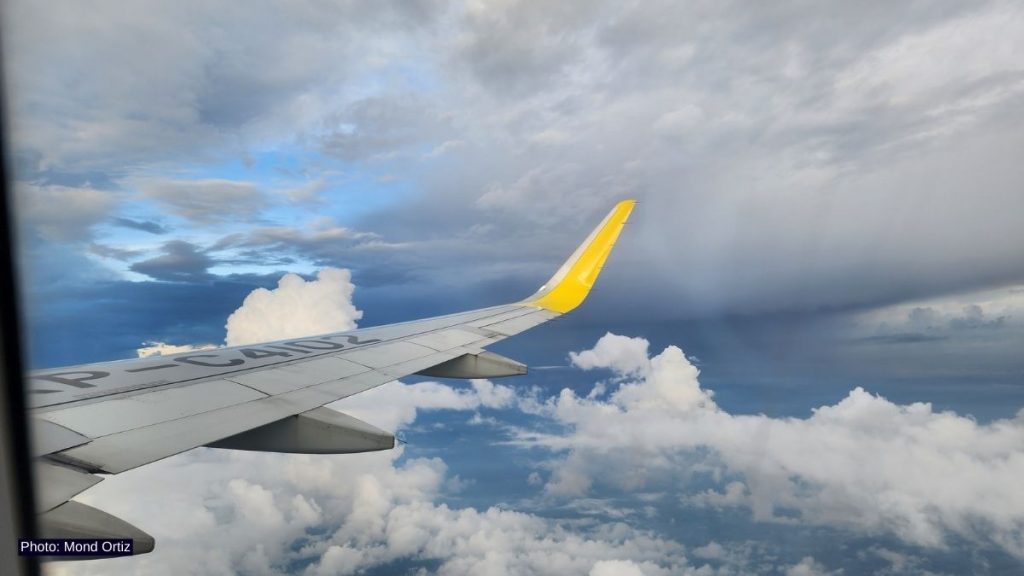
Wing fences look different. A fence is a smaller fin-like device at the tip, and it can include surfaces above and below the wingtip. Early A320 family aircraft used wingtip fences before Airbus introduced Sharklets on later A320 family models. The A380 also uses a fence-style wingtip device.
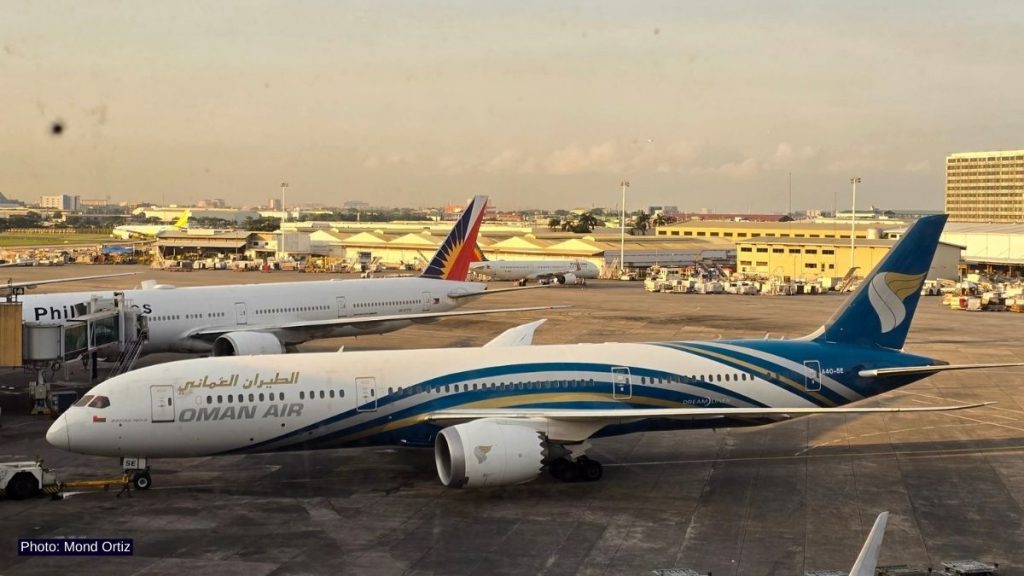
Some aircraft use raked wingtips instead of vertical winglets. A raked tip stretches the tip outward and sweeps it back, almost like a built-in wing extension. Boeing uses raked tips on widebodies like the 777 and 787, and the 747-8 also uses a raked tip.
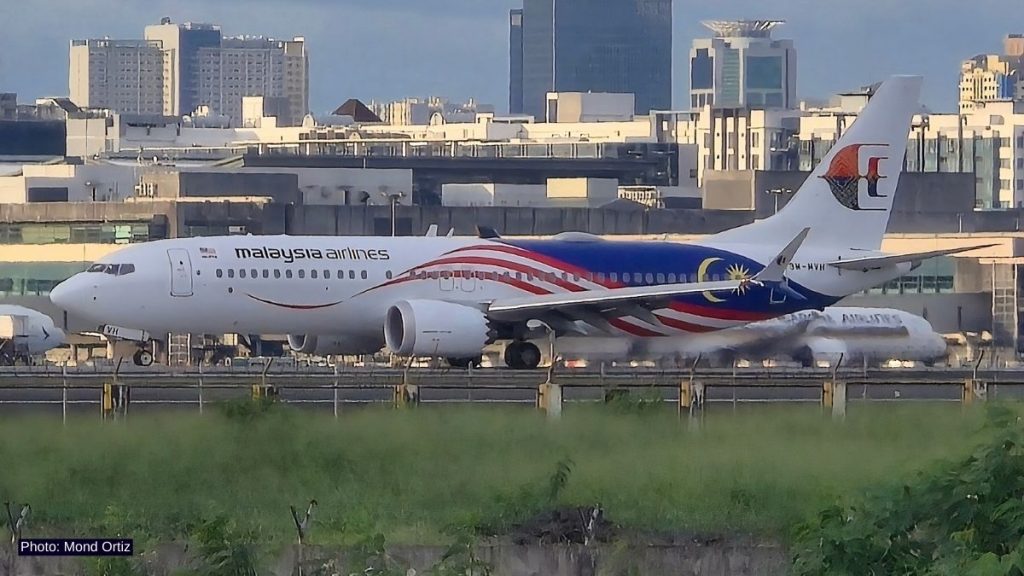
The 737 MAX uses a newer split-tip style device. Boeing calls it the Advanced Technology winglet. The shape has an upturned and a downturned element to cut drag while keeping changes to the wing manageable.
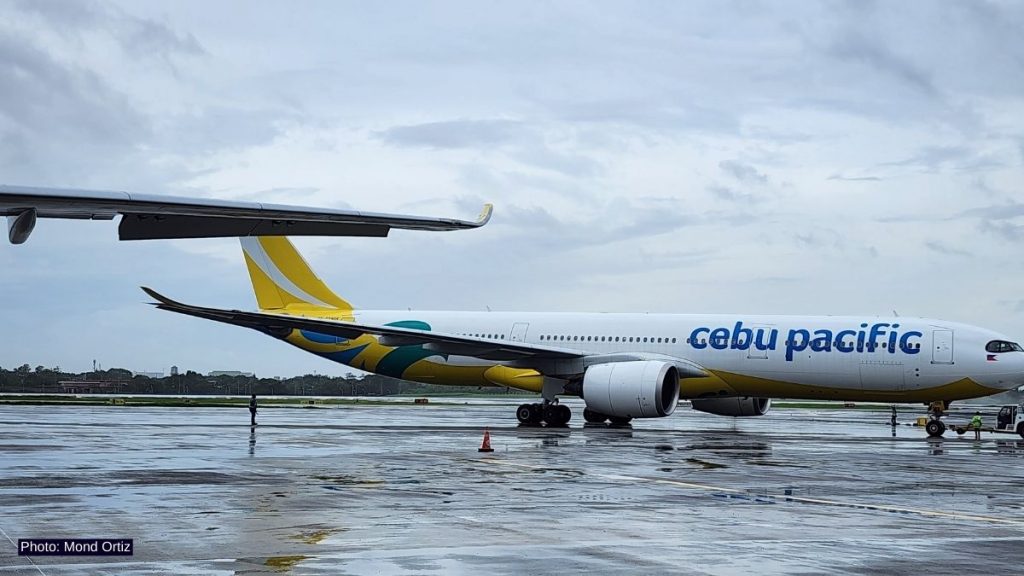
Airbus widebodies also evolved. The A330neo uses a larger, swept winglet inspired by the A350 XWB, and it is part of the overall efficiency package of the aircraft.
Why some planes have winglets and some do not
Airlines and manufacturers choose a wingtip design based on the mission. Long cruise flights get more benefit from drag reduction, so larger winglets can make more sense on long-haul types or on aircraft that fly long stage lengths.
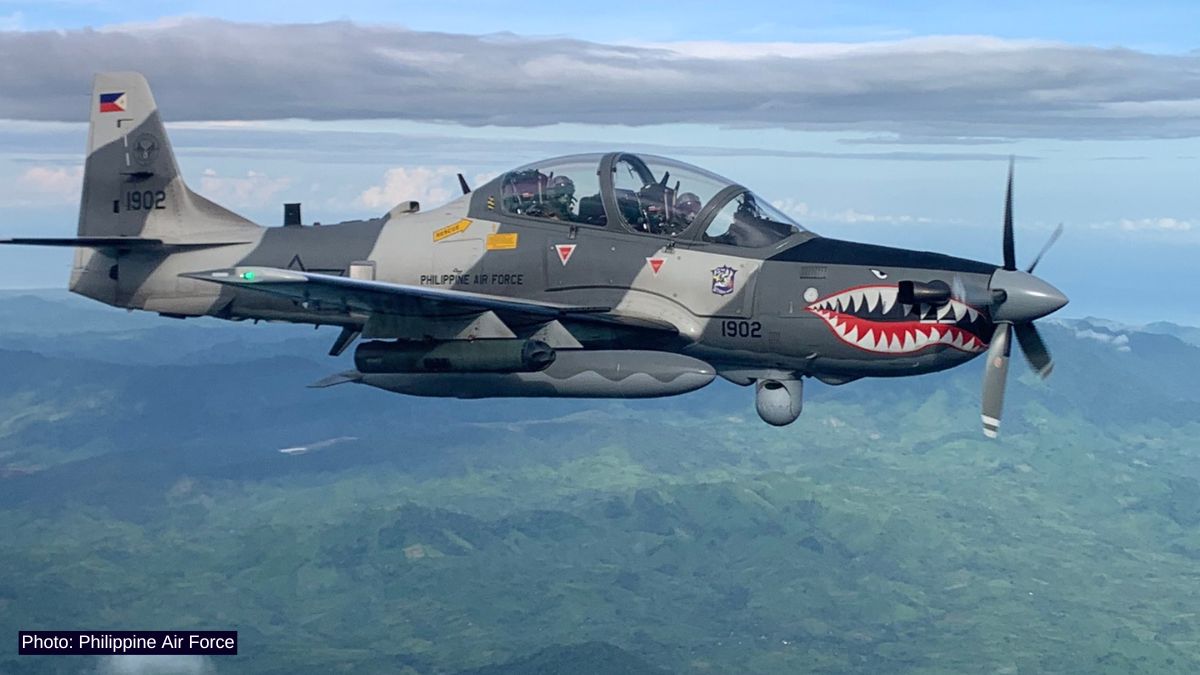
Examples are jets specifically designed for short-haul flights. A short-haul jet spends more time climbing and descending, and less time in long, steady cruise. The fuel savings still exist, yet the payback can take longer.
Also, a winglet adds weight at the end of the wing, and it can increase bending loads. Designers may need extra reinforcement inside the wing to keep strength and fatigue life where it needs to be. Extra structure adds weight, which can reduce some of the gains.
Airport limitations are considered too but this is not much of a big issue because airports are now designed to service a variety of aircraft, even those with a longer wingspan. A different wingtip can change wingspan, wingtip height, and ground clearance. Those details affect gate fit, taxiway spacing, and hangar space. A raked tip, a fence, a blended winglet, or no device at all can be the right choice if it keeps the aircraft compatible with more airports.

Post Comment