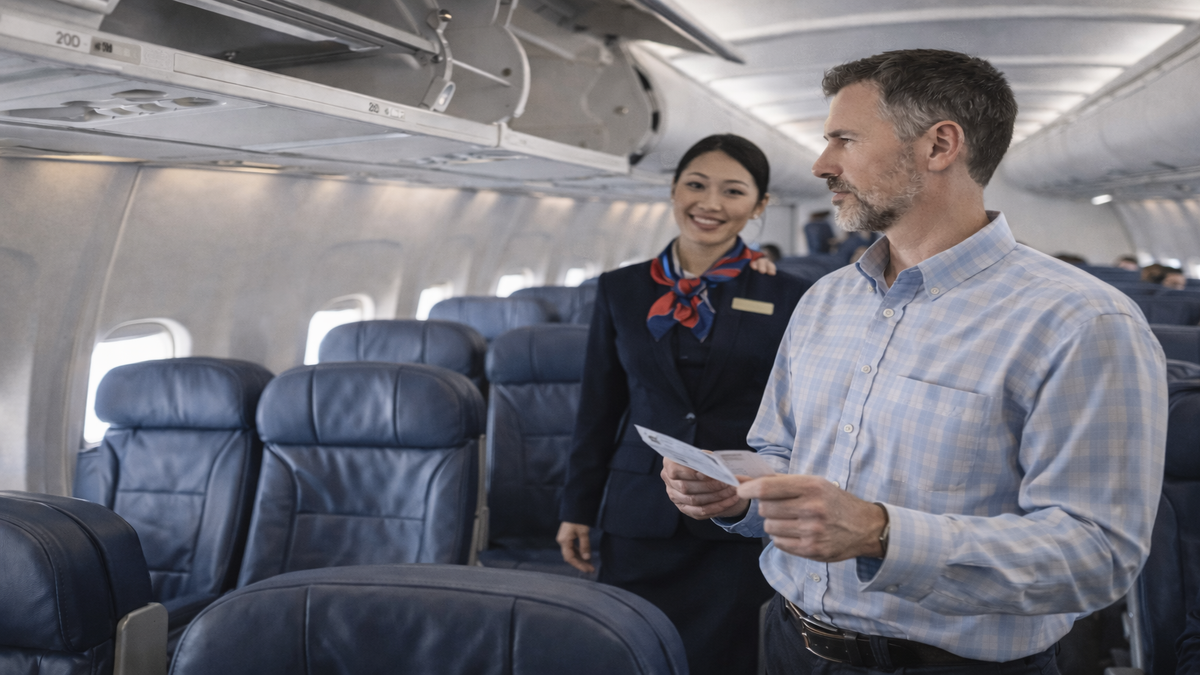
Someone sitting in my assigned seat bothers me more than most travel problems. I pick my seat for a reason, and I sometimes pay extra for it. A passenger who grabs a random seat can trigger confusion, delays, and arguments that no one needs.
Most airlines use assigned seating now. Airlines assign seats during booking or check-in, then they link each seat to each passenger. Southwest Airlines ran open seating for decades, and it now uses assigned seating for flights on or after January 27, 2026.
Seat assignments support safety and records
Airlines connect seat numbers to the passenger list for that flight. Crew members and ground teams use that record when an issue comes up, such as a medical case, a security concern, or a report of theft. A wrong seat can slow down the process of identifying the right passenger and confirming facts.
Regulators also expect airlines to keep accurate passenger information for emergencies. Airlines build their records around each passenger’s identity and travel details. Seat numbers often act as a quick reference inside the cabin, especially when crew members need to act fast and avoid mistakes.
Seat assignments support service
Meal service often depends on seat numbers. Many passengers pre-order meals tied to dietary needs. A passenger who sits in the wrong seat can receive a meal they cannot eat, and the right passenger can lose the meal they ordered. Cabin crew can fix some errors, yet the mix-up wastes time and can leave someone without the option they requested.
Seat numbers also help staff return lost items. Phones and wallets often end up in seat pockets or between cushions. Crew members can use the seat location and the passenger list to narrow down the owner. A seat swap can turn a simple return into a longer search.
Seat assignments protect passenger choice
Seat choice matters more than many people think. Some passengers pay for window, aisle, or extra legroom. Some need aisle access for mobility, pain, or frequent restroom trips. Some families choose seats together so parents can keep a close eye on children. A passenger who takes a seat that does not belong to them removes that choice from someone else.
Seat changes still happen, and they need structure. Passengers who want to sit with family or friends should plan ahead. Travelers can reserve seats together during booking, ask for help at check-in, or request assistance at the gate when seats remain open. Passengers who need to swap seats should ask the other passenger first and keep the request polite. Cabin crew can also help, and they can track the final seating layout when needed.
Passengers should never move without telling the crew. A seat change can affect service plans, accountability, and the crew’s ability to match names to seats during an issue.
A real seat dispute that escalated fast
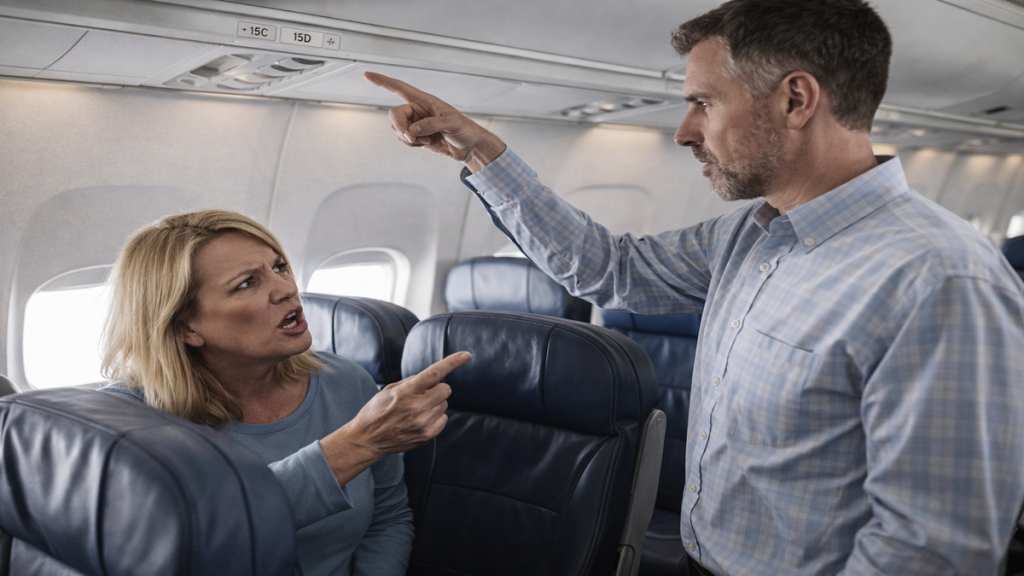
A flight from my own travels showed how fast this can go wrong. I walked to my row and saw a passenger in my window seat. I checked my boarding pass and confirmed the seat number. I spoke calmly and asked her to move. She checked her boarding pass too, then refused. The passenger acted like a “Karen” and told me, “you can take my seat, its just the same”.
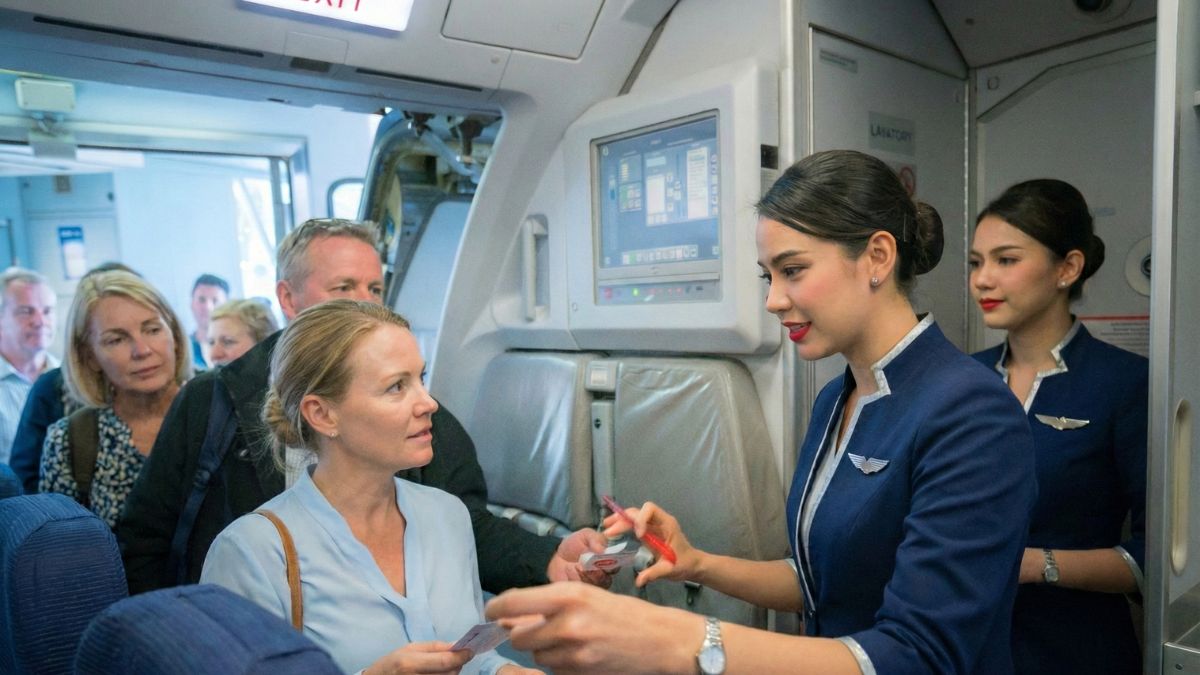
The passenger still refused to return to her own seat, so I asked the lead cabin crew for help. The lead cabin crew also asked her to move. The passenger pushed back and tried to make the crew move me instead. The lead cabin crew warned her that the captain would step in if she refused to follow instructions. The passenger moved right away.
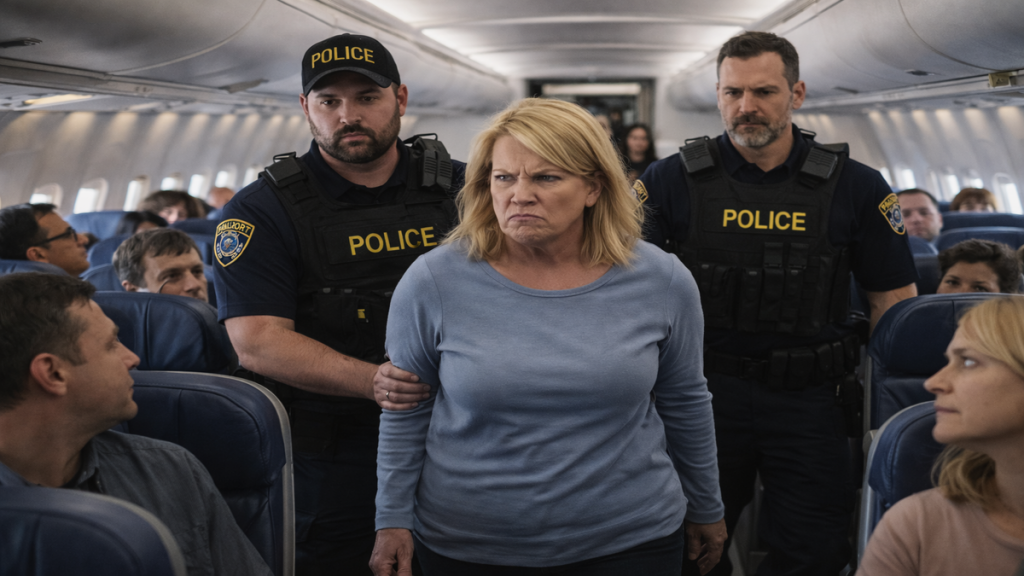
Safety comes first on every flight. Seat disputes can delay boarding and raise stress. No one wants the “walk of shame” off the aircraft over a seat number. Airlines can remove passengers who refuse crew instructions, since refusal creates a safety risk for the flight.
Assigned seating gives everyone a clear plan. Passengers keep the seat they chose. Crew members keep accurate records. The flight leaves on time with fewer problems in the cabin.
Post Comment