Asian airlines are seeing stronger demand on Europe routes as more travelers avoid disrupted Middle Eastern hubs. That shift is giving several major carriers in Asia a boost, even as they deal with much higher jet fuel prices.
Cathay Pacific, Singapore Airlines, Korean Air, and Qantas all reported strong Europe traffic in March. The pattern is tied to the war in Iran, which has disrupted routes through the Gulf and pushed some passengers to look for other ways to reach Europe, Australia, and parts of Asia. For airlines based in Hong Kong, Singapore, Seoul, and Australia, that change is creating new traffic flows through their own hubs.
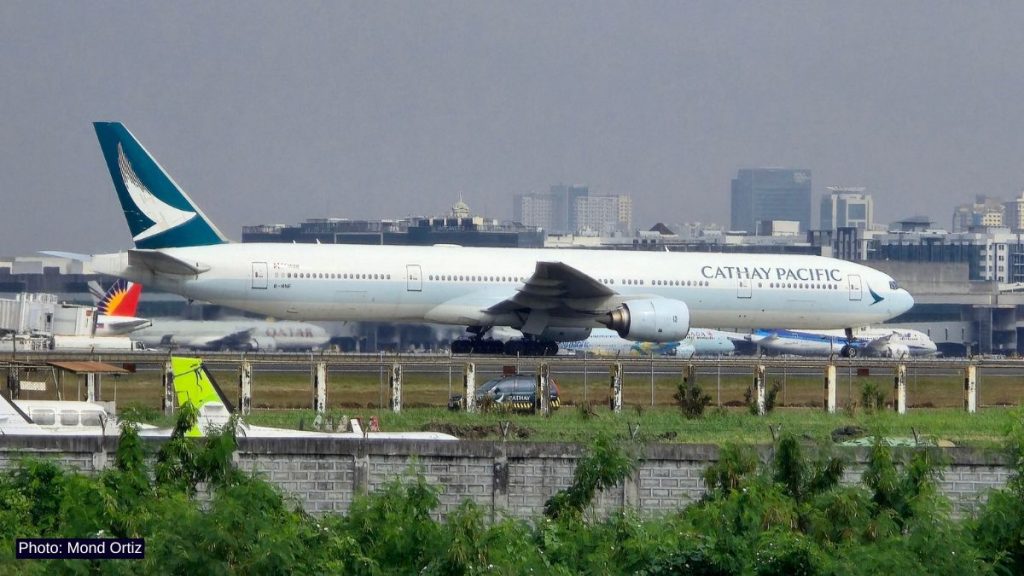
Cathay Pacific said it added more flights and more capacity to Europe in March and April to respond to higher demand. “We have … mounted additional flights and capacity to Europe in March and April to cater for an upsurge in market demand as passengers prioritised alternative routings,” Cathay Chief Customer and Commercial Officer Lavinia Lau said on Friday. She added that demand was expected to remain strong through April, helped by Easter travel and more long-haul bookings connecting through Hong Kong.
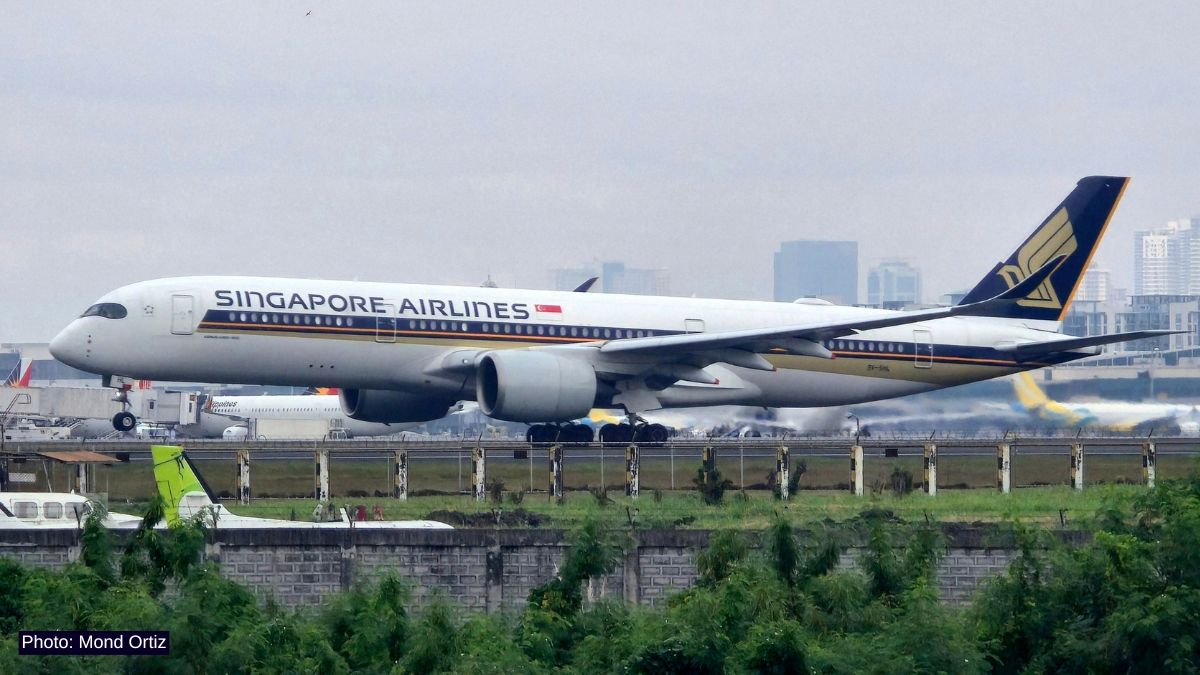
Singapore Airlines also reported a sharp jump in seat occupancy on Europe flights. The airline said its Europe load factor rose to 93.5% in March from 79.7% a year earlier. It said part of that increase came from spillover traffic as Middle East capacity fell. Among its regions, Europe posted the biggest gain.
Gulf disruption is reshaping route choices
Before the conflict, Emirates, Qatar Airways, and Etihad carried a large share of traffic between Europe and Asia, and an even bigger share of passengers flying between Europe and Australia, New Zealand, and the Pacific. Those airlines have started restoring capacity, but travelers still face other concerns, including insurance issues and caution about transiting through the Gulf.
That has made alternative routings more attractive, even when they cost more. Economy fares also show the gap. A Gulf connection may still be the cheapest option on some city pairs, but flights that avoid the Middle East can now cost much more. Even so, some passengers are willing to pay extra for those routes.
Bank of America analysts said tighter pricing and market share gains on Asia-Europe routes could last for six to 12 months even after the war ends, because booking patterns and traveler caution usually do not change overnight.
Airlines in Asia are moving to capture demand
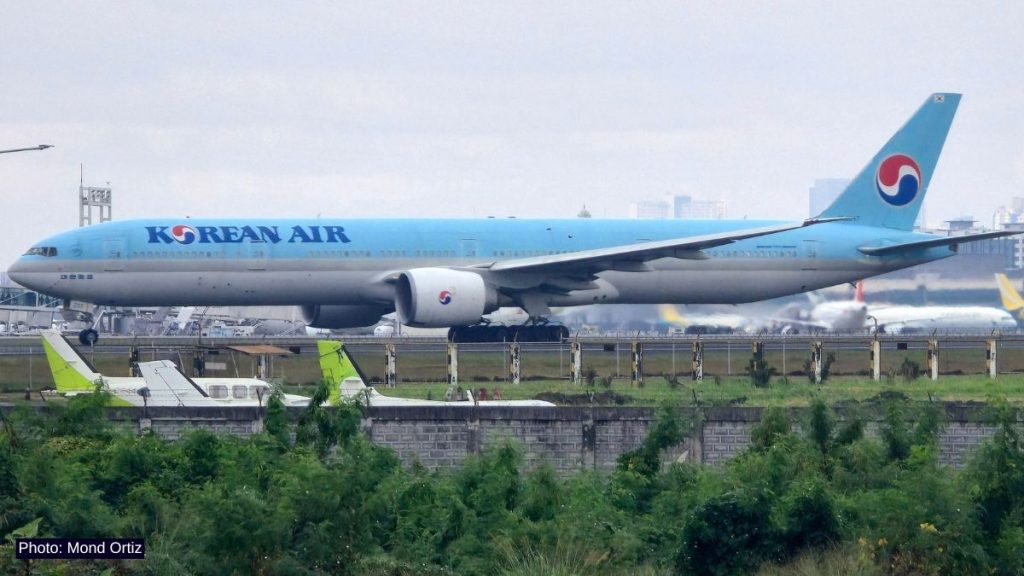
Korean Air said its first-quarter operating income rose 47.3% to 517 billion won, helped in part by stronger Europe demand linked to the war. The airline said European passenger revenue increased 18% from a year earlier and added that it expects transit demand to remain strong as supply from Middle Eastern carriers stays lower than before.
Qantas also said it adjusted its operation to capture the change, moving capacity away from some U.S. and domestic routes and adding more flights to Paris and Rome. “Qantas continues to see strong demand for international travel to Europe as customers seek alternative routes,” the airline said.
Airservices Australia said traffic between Australia and the Middle East fell 77% year on year in March as flights were rerouted through other cities. It added that Asian hubs such as Singapore, Kuala Lumpur, Hong Kong, Tokyo, and Seoul are taking much of that displaced demand and could grow further as alternative hubs.
Source: Reuters
Post Comment